
Sakat Chauth Vrat Katha
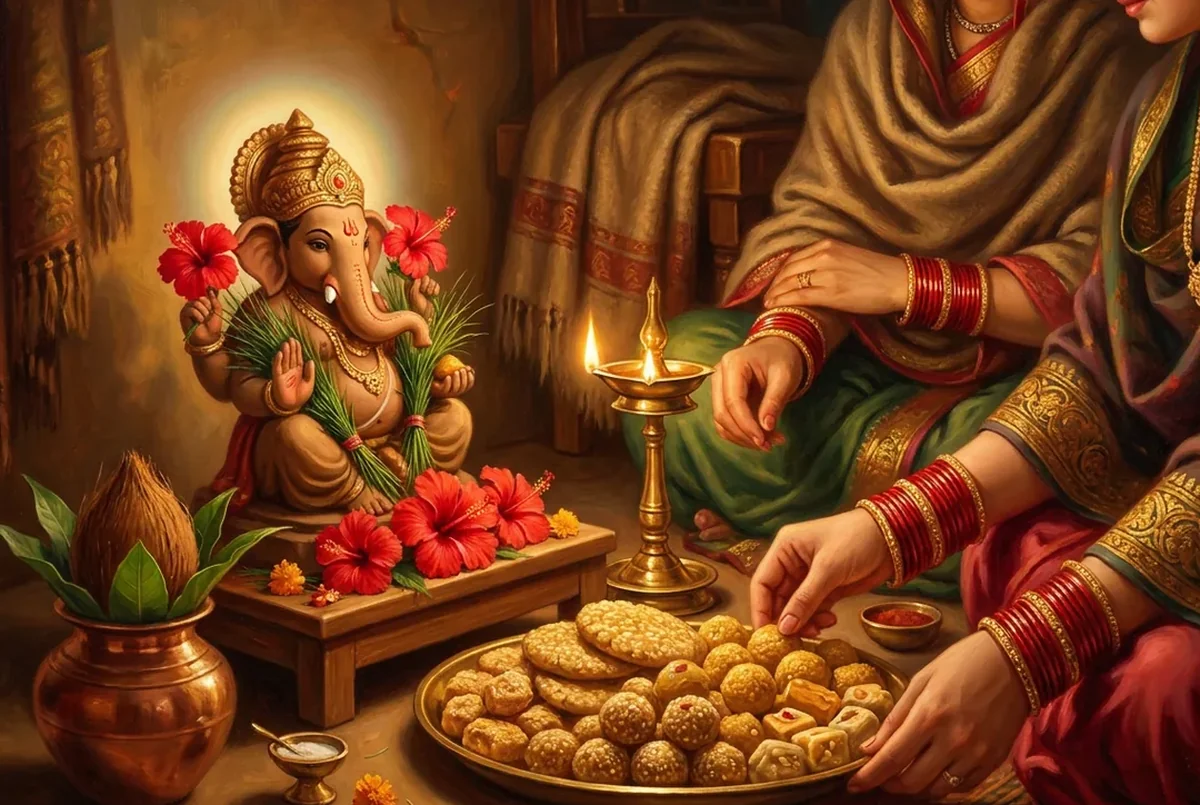
Sakat Chauth — When is it
- 25 January 2027, Monday
| Chaturthi tithi | from 25 January, 8:11 AM until 26 January, 6:01 AM |
| Moonrise: 9:16 PM — the fast is broken on seeing the moon | |
| Sunrise · Sunset | 7:12 AM · 5:55 PM |
Times are for Delhi · 25 January 2027
Why is this day celebrated?
Sakat Chauth falls on the fourth day of the waning moon in Magh; it is also called Tilkut Chauth, Sankat Chauth and Maghi Chauth. Mothers keep this vrat to Lord Ganesha and Sakat Mata, praying for their children's long life and protection from every trouble. The fast is broken at moonrise with an offering of water to the moon and prasad of tilkut.
The katha
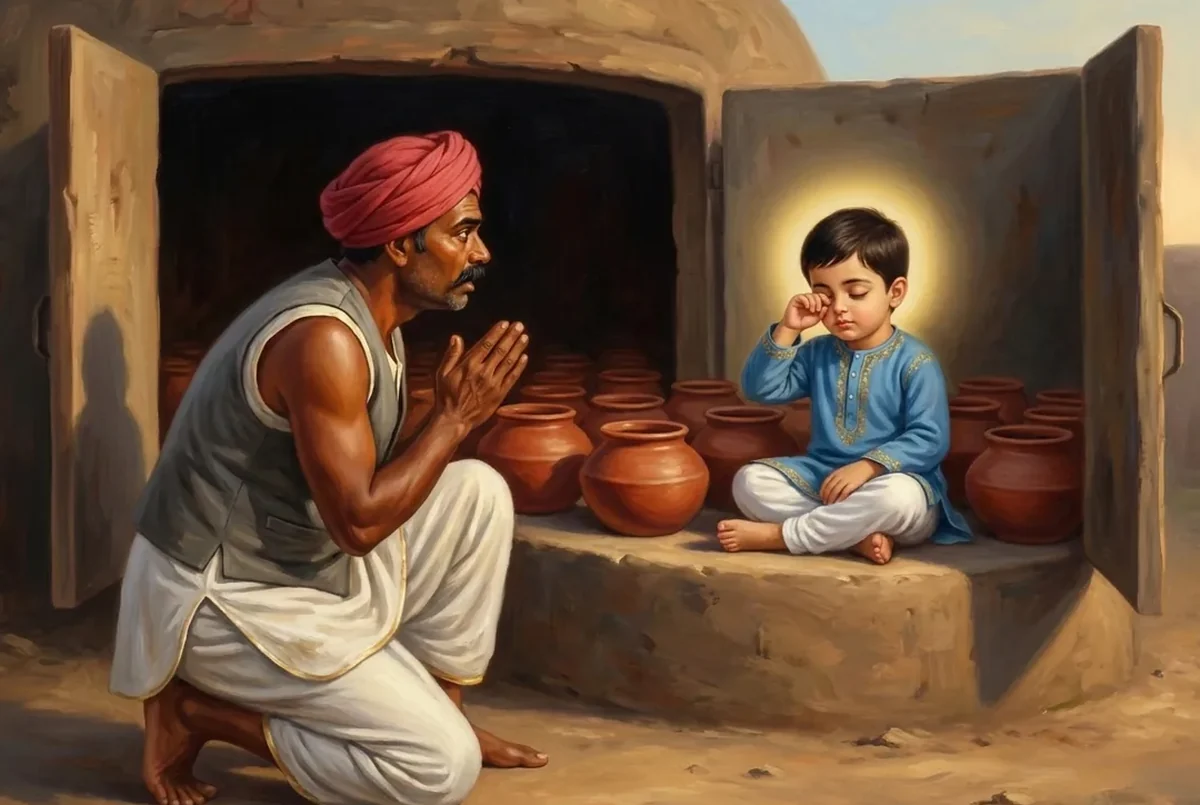
The best-known Sakat Chauth story is about a potter and an old mother. It is said that in the kingdom of the truthful King Harishchandra there lived a potter. At one time, whenever he set his pots in the kiln, the fire would not burn properly and every pot came out unbaked. He tried everything, but nothing worked, and slowly his livelihood was in danger.
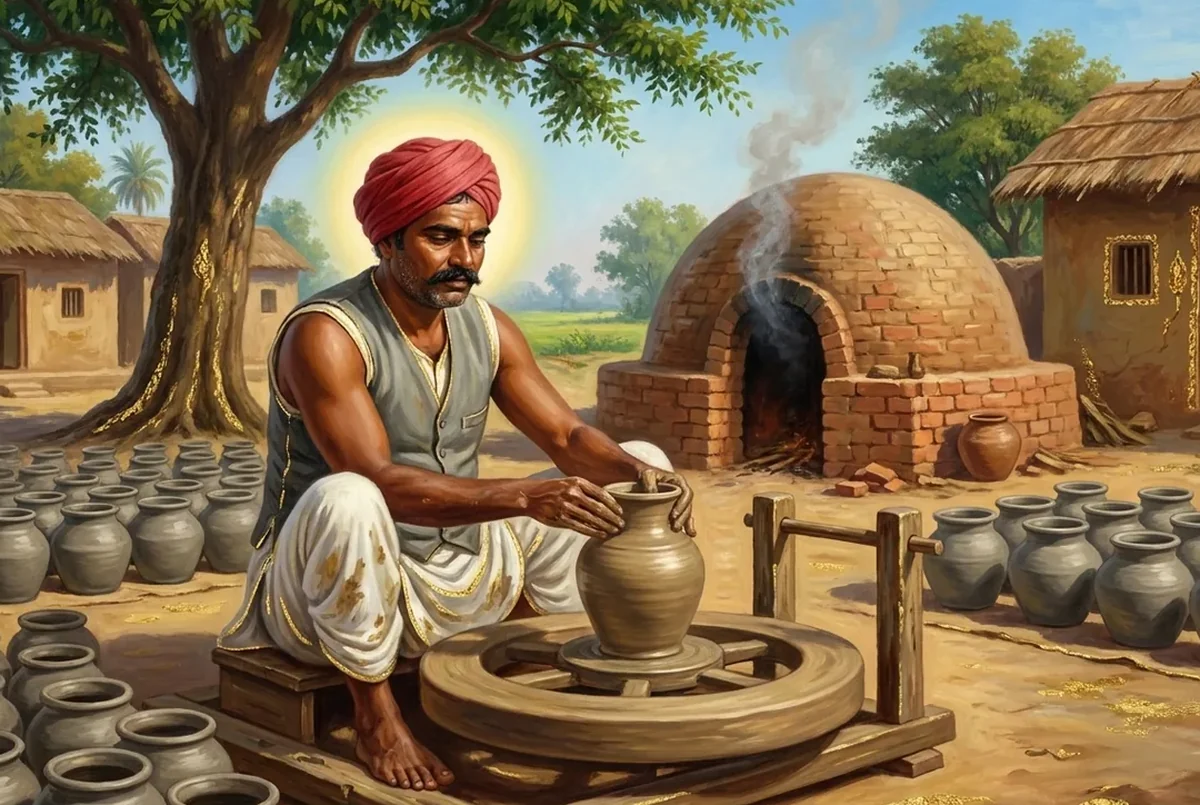
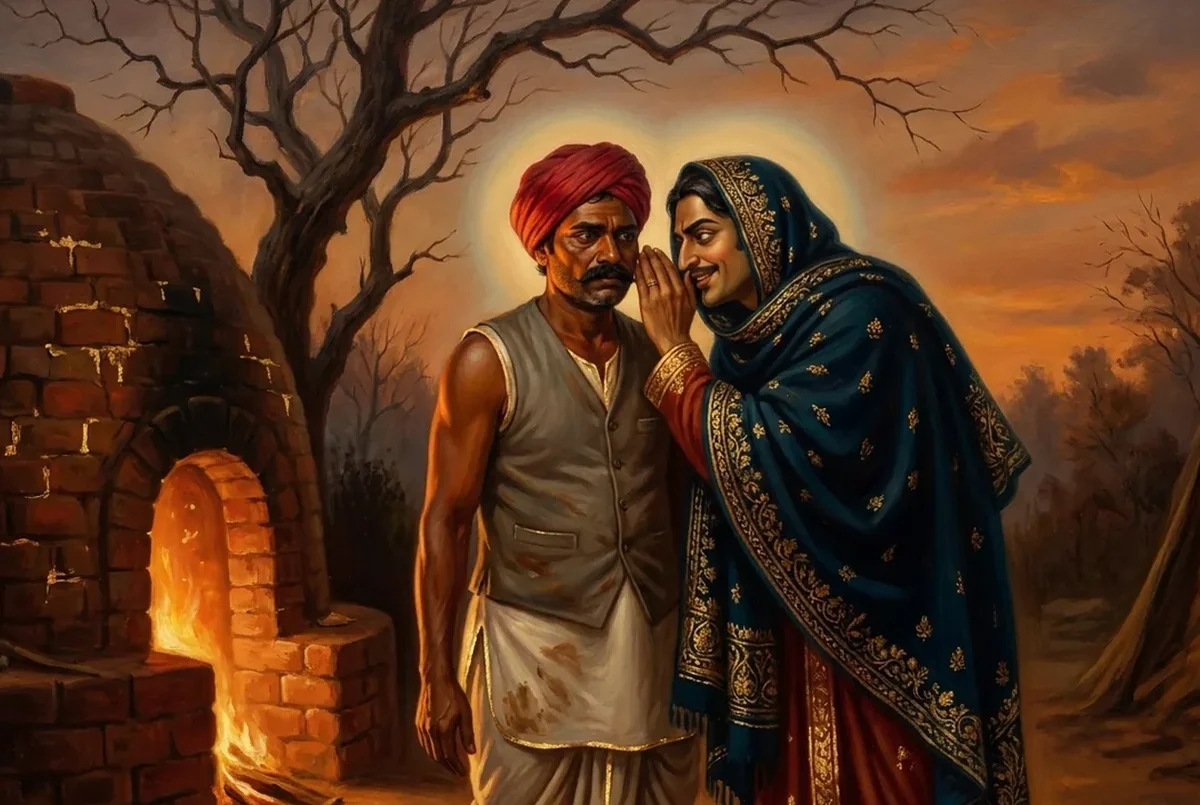
Someone gave the troubled potter a cruel, superstitious piece of advice: put a child in the kiln and the pots will bake. Fear and greed clouded the potter's mind. In the same town lived a poor old woman whose only son was all she had in her old age. That day was Sakat Chauth of Magh. She had fasted since morning and worshipped Sakat Mata and Ganesha. In the evening, the potter quietly carried off her boy while he was playing.
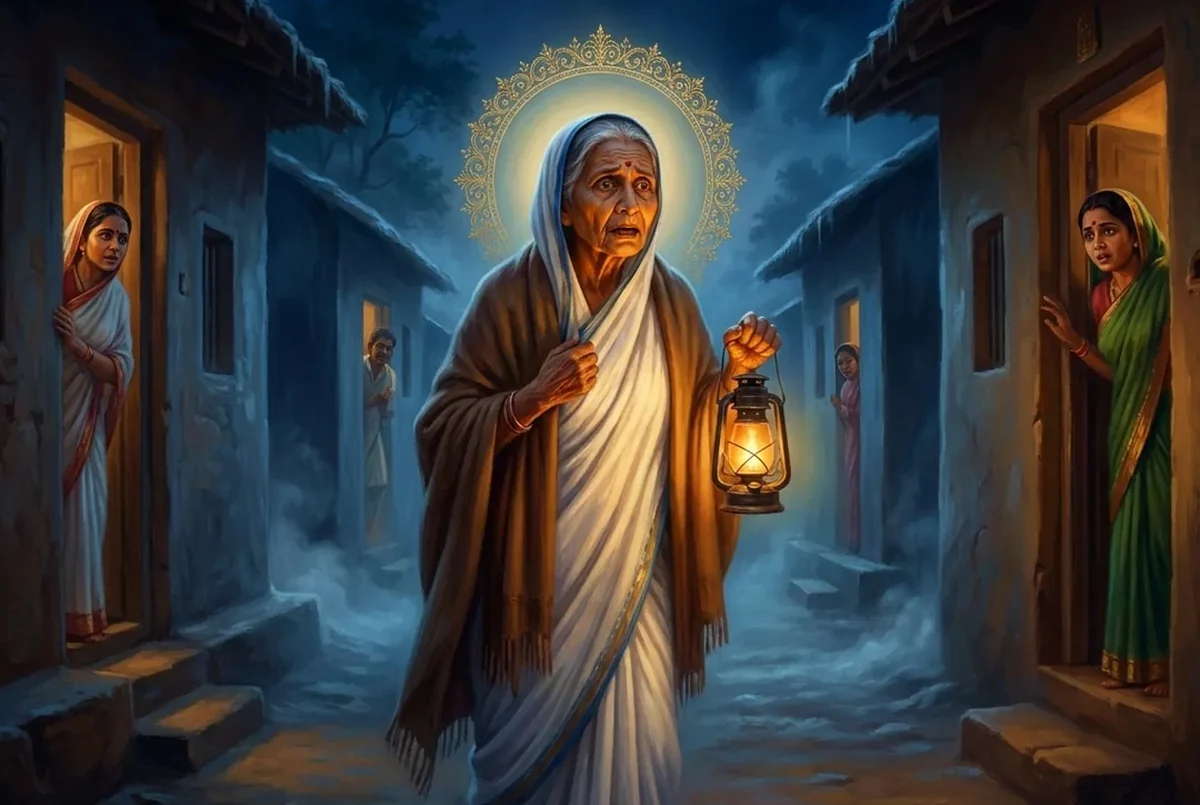
Night fell and the boy did not come home. The old woman searched every lane but found no trace of him. Exhausted, she came home and sat before the durva grass and sesame kept for the puja. Weeping, she said, O remover of obstacles, today is your own vrat, I have nothing in the world but this son, please protect him. All night she sat with folded hands, calling on Ganesha.
In the morning the potter fearfully opened the kiln and could not believe his eyes. Every pot was perfectly baked, and among them sat the boy, completely safe, as if he had just woken from sleep. Not even the heat had touched him. The potter trembled. Deeply ashamed of what he had done, he ran to the king and confessed everything.
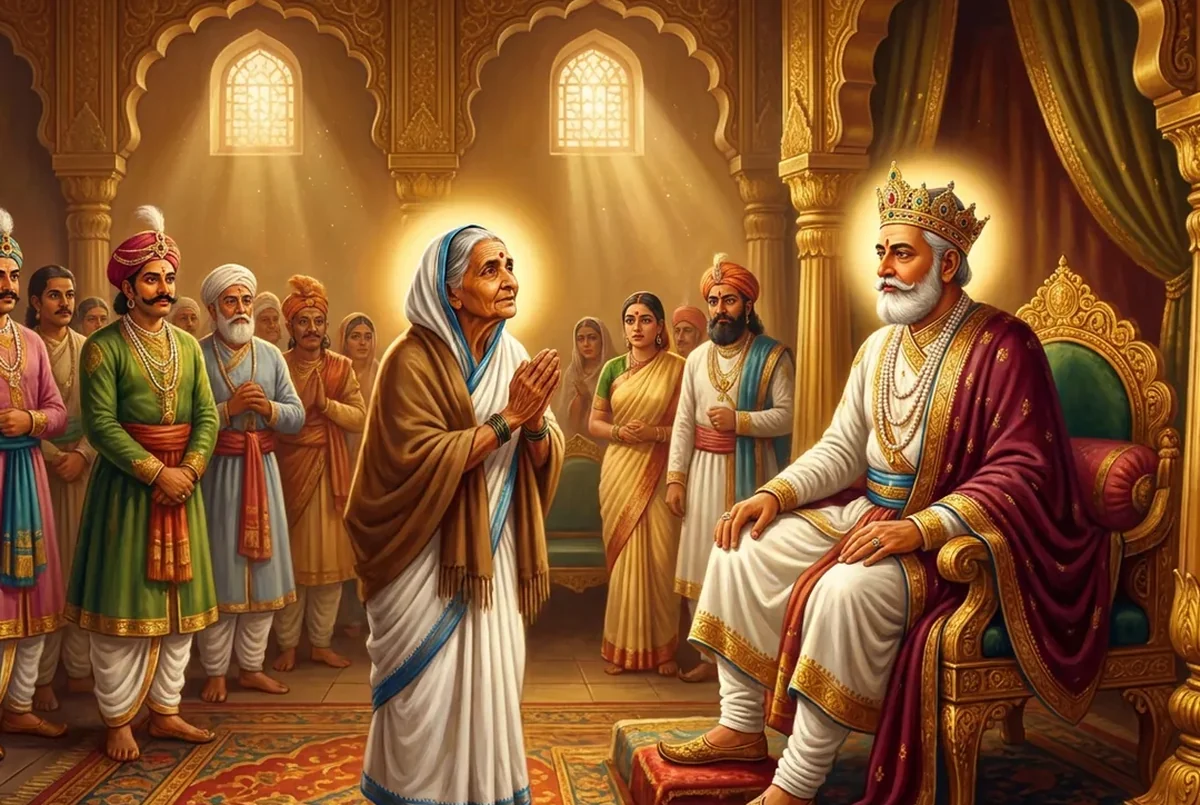
The king sent for the old woman and asked what magic she had worked. She folded her hands and said, Maharaj, I know no magic. I only kept the Sakat Chauth vrat and asked Ganesha to protect my child. The king rebuked the potter sternly and had it proclaimed across the kingdom that no one should ever believe such cruel ideas. The old woman was honoured, and from that day the women of the town began keeping Sakat Chauth for the safety of their children.
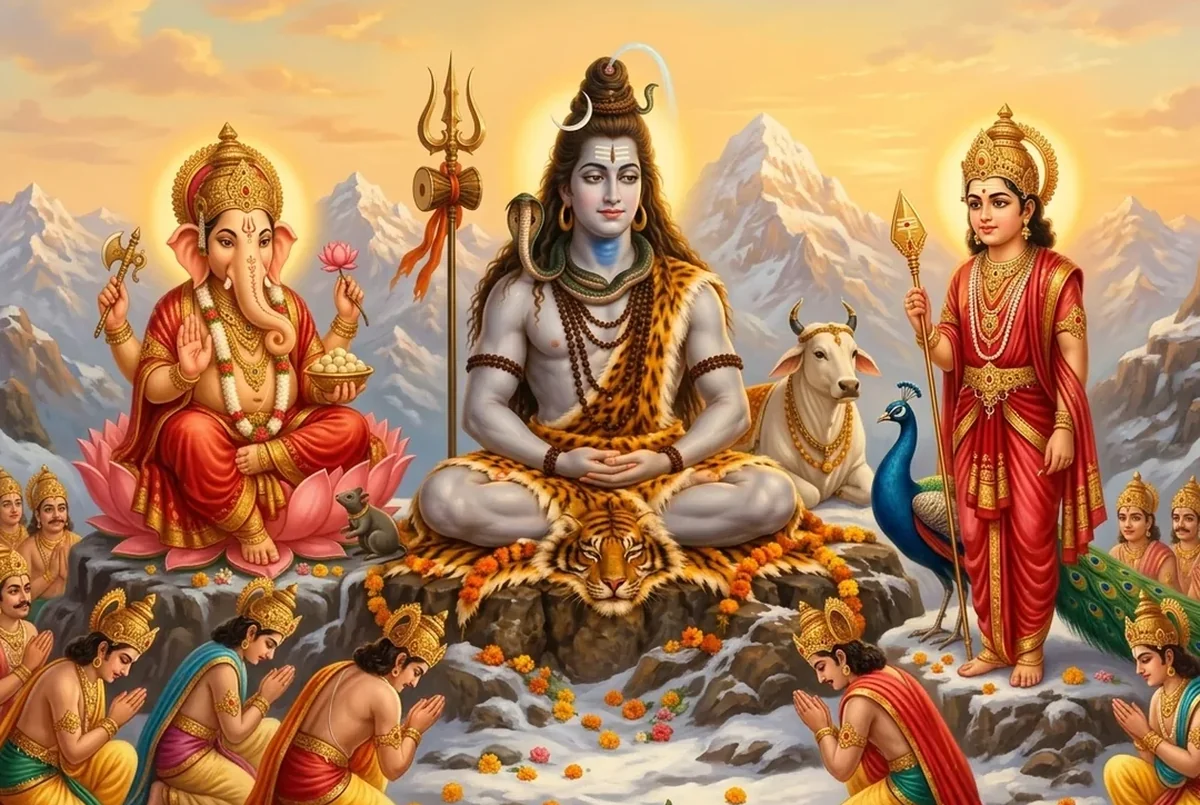
Another story tells that once the gods faced a great danger and came to Lord Shiva. Shiva asked Kartikeya and Ganesha which of them would remove it. Both offered, so Shiva said whoever first went around the earth and returned would go. Kartikeya flew off on his peacock, while Ganesha walked seven times around his parents and said, for me, you are the whole world. Pleased, Shiva blessed him: whoever worships Ganesha on Chaturthi and offers water to the moon at night will be freed of troubles.
Sakat Chauth is a festival of a mother's faith. Just as that old mother's true prayer was not in vain, mothers keep this vrat today with the same trust. Ganesha removes obstacles, and Sakat Mata is seen as the guardian of children. May they keep the children of every home healthy, happy and far from harm.
How it is observed
- Mothers fast from sunrise to moonrise, in many places without water; those who cannot keep a waterless fast may take fruit as their health allows.
- In the evening Ganesha and Sakat Mata are worshipped with durva grass, roli, rice, flowers and tilkut, sesame pounded with jaggery, or sesame laddoos.
- Sweet potato, jaggery and sesame dishes are offered, and the women hear the Sakat Chauth katha together.
- At moonrise, water, milk and sesame-mixed water are offered to the moon, Ganesha is saluted, and the fast is broken; tilkut prasad is shared with the children and family.
- Moonrise time differs from city to city, so check the time for your city.
Frequently asked questions
When is Sakat Chauth 2027?
Sakat Chauth 2027 is on 25 January 2027, Monday. Dates follow the Hindu panchang for Delhi; other cities can differ by a day.
What is the puja or fasting time for Sakat Chauth 2027?
Chaturthi tithi from 25 January, 8:11 AM until 26 January, 6:01 AM (Delhi)
Why is Sakat Chauth celebrated?
Sakat Chauth falls on the fourth day of the waning moon in Magh; it is also called Tilkut Chauth, Sankat Chauth and Maghi Chauth.
Source
The story of the potter and the old mother is a popular North Indian folk vrat katha told in several versions; the story of Ganesha circling his parents is also told among the Sankashti Chaturthi folk tales; worshipping Ganesha on Chaturthi and offering water to the moon is part of the vrat tradition.
Times by city — 25 January 2027
| City | Moonrise |
|---|---|
| Delhi | 9:16 PM |
| Indore | 9:23 PM |
| Mumbai | 9:36 PM |
| Lucknow | 9:01 PM |
| Patna | 8:44 PM |
| Jaipur | 9:23 PM |
| Bhopal | 9:16 PM |
| Pune | 9:32 PM |
| Ahmedabad | 9:37 PM |
| Kolkata | 8:31 PM |
| Hyderabad | 9:13 PM |
| Varanasi | 8:53 PM |
| Chennai | 9:06 PM |
| Bengaluru | 9:17 PM |
| Thiruvananthapuram | 9:21 PM |
| Bhubaneswar | 8:42 PM |
Times by city
- Sakat Chauth — Indore
- Sakat Chauth — Delhi
- Sakat Chauth — Mumbai
- Sakat Chauth — Lucknow
- Sakat Chauth — Patna
- Sakat Chauth — Jaipur
- Sakat Chauth — Bhopal
- Sakat Chauth — Pune
- Sakat Chauth — Ahmedabad
- Sakat Chauth — Kolkata
- Sakat Chauth — Hyderabad
- Sakat Chauth — Varanasi
- Sakat Chauth — Chennai
- Sakat Chauth — Bengaluru
- Sakat Chauth — Thiruvananthapuram
- Sakat Chauth — Bhubaneswar