
Hanuman Jayanti — Story and Significance
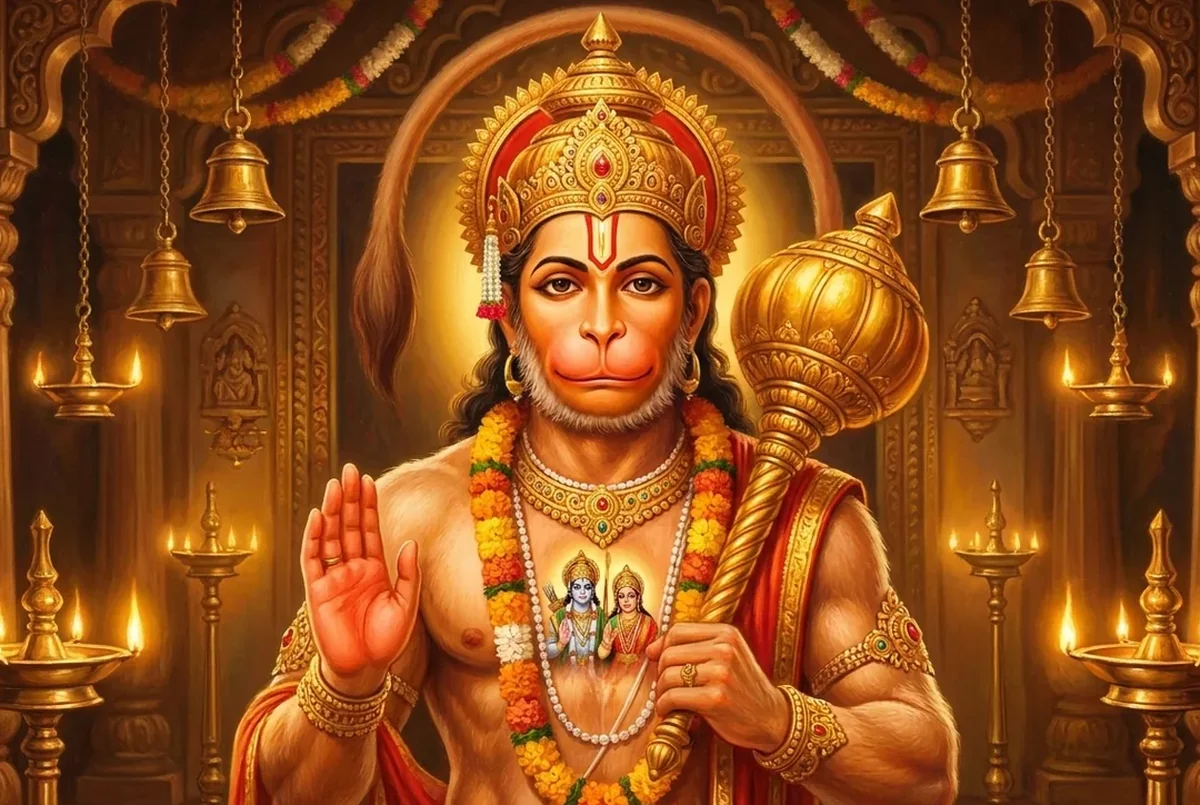
Hanuman Jayanti — When is it
- 20 April 2027, Tuesday
| Purnima tithi | from 20 April, 4:52 AM until 21 April, 3:57 AM |
| Moonrise | 6:31 PM |
| Sunrise · Sunset | 5:51 AM · 6:50 PM |
Times are for Delhi · 20 April 2027
Why is this day celebrated?
This day celebrates the birth of Hanuman, son of the Wind god, a portion of Lord Shiva and the greatest devotee of Shri Rama. North India observes it on Chaitra Purnima, while some regions keep other dates. Since Hanuman is believed to be immortal, many prefer to call it Hanuman Janmotsav.
The katha
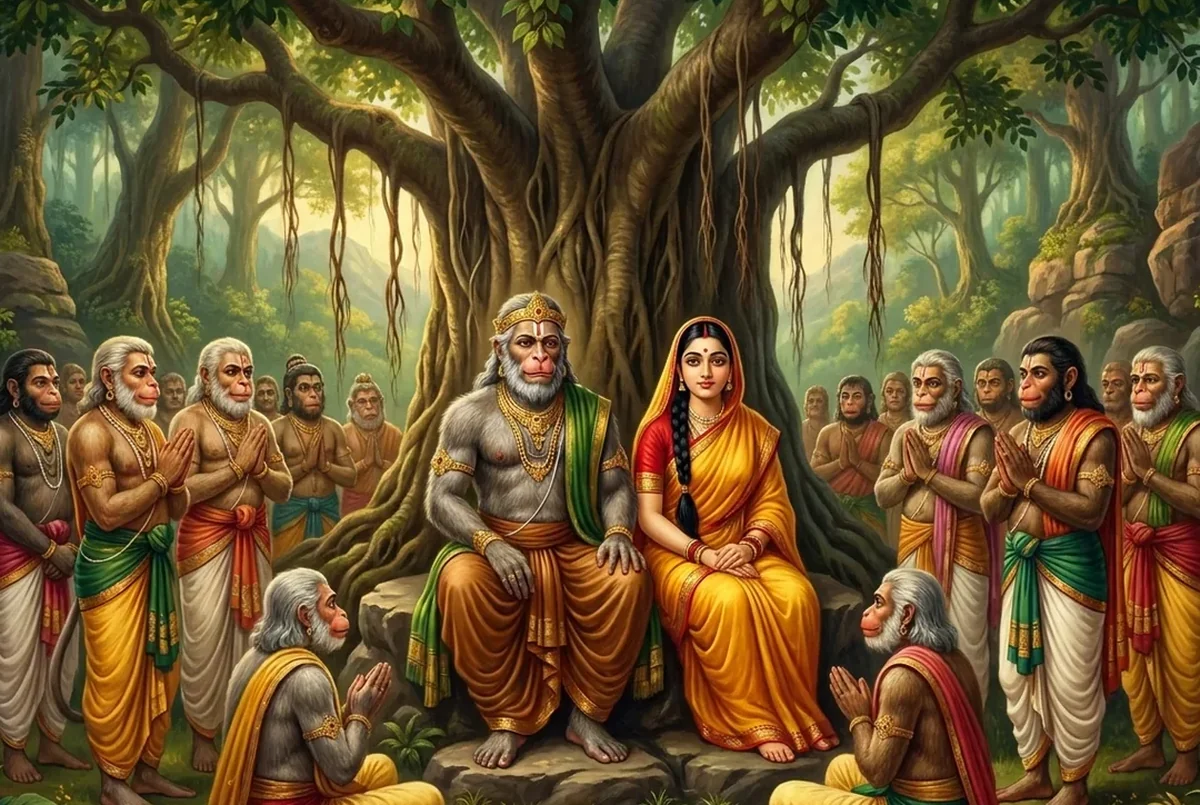
The story goes that a heavenly apsara named Punjikasthala, because of a curse, was born on earth as Anjana, a vanara maiden. She married Kesari, a brave vanara king. Longing for a radiant son, Anjana performed deep penance to Lord Shiva, who blessed her that a portion of himself would be born as her child.
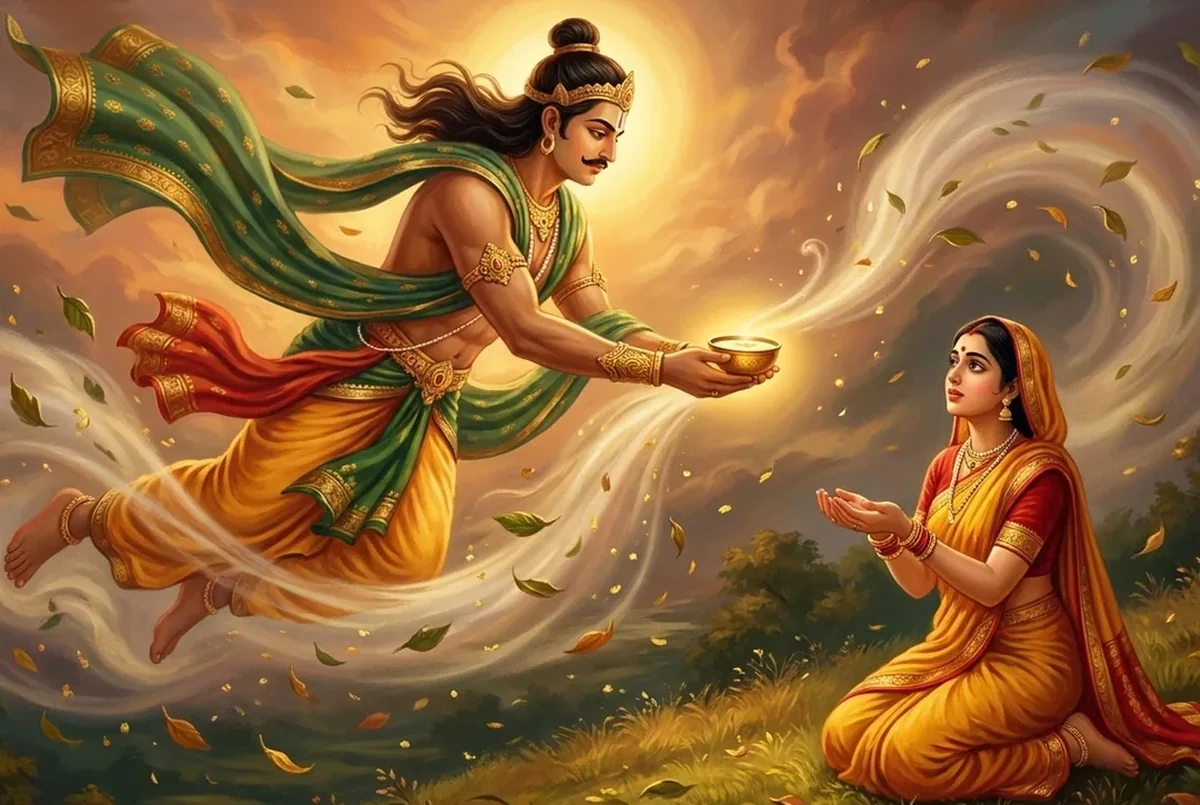
Vayu, the Wind god, carried that divine portion to Anjana. Another telling says Vayu carried a share of the sacred kheer from King Dasharatha's yagya into her hands. So a shining child was born to her. Born by the Wind god's grace, he is called Pavanputra and Maruti, as Anjana's son Anjaneya, and as Kesari's son Kesarinandan.
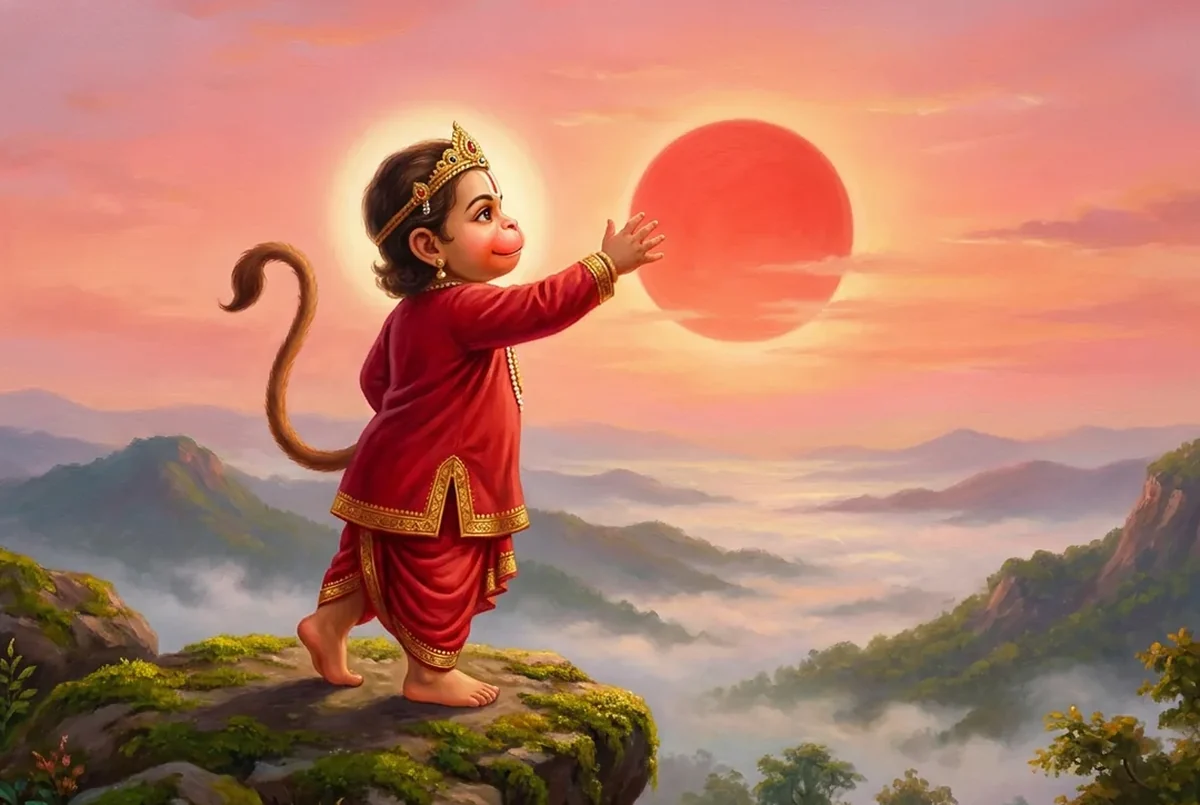
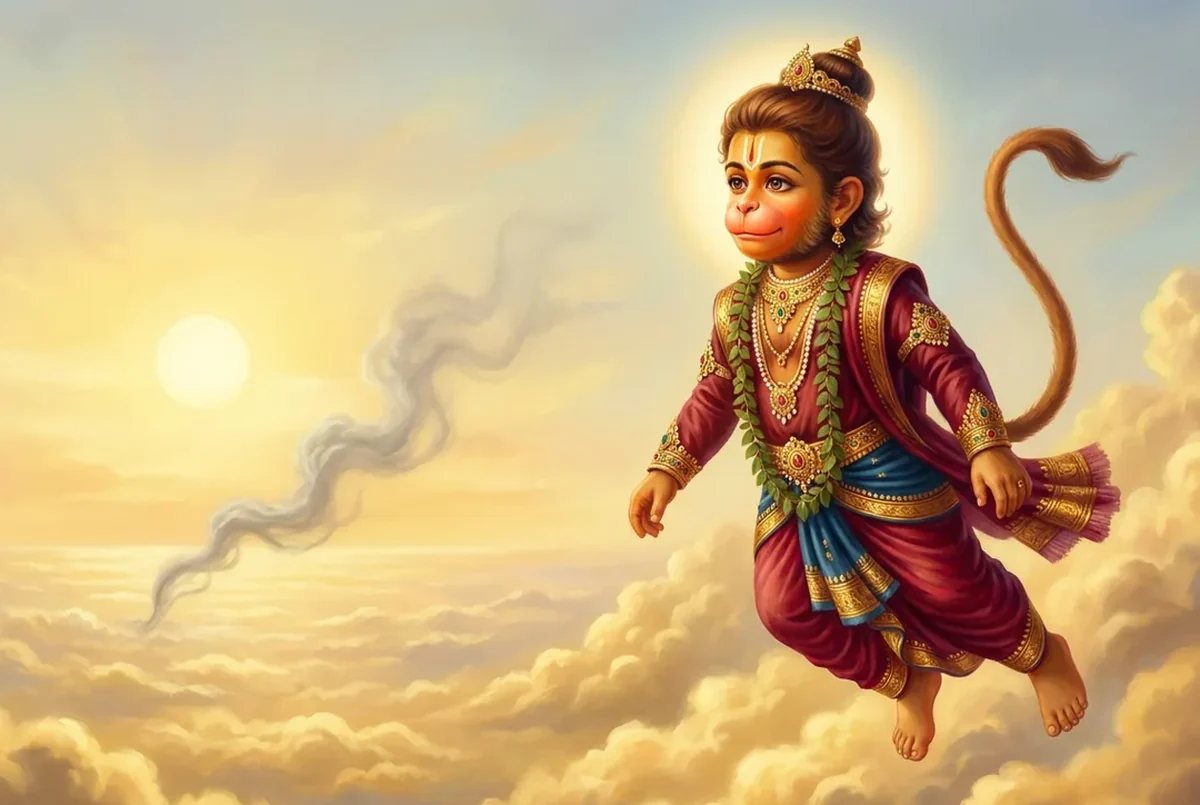
One morning the little child felt very hungry. Seeing the red rising sun, he took it for a ripe, sweet fruit and leapt into the sky to grab it. Vayu flew anxiously beside him, and the Sun god, amazed by the child, softened his heat.
Just then Rahu had come to swallow the sun. Alarmed by the child, he complained to Indra, king of the gods. Indra arrived on his elephant Airavata, and the child reached for the elephant too, thinking it a toy. Indra hurled his vajra, which struck the child's jaw, and he fell to earth unconscious. The Sanskrit word for jaw is hanu, and so he came to be called Hanuman.
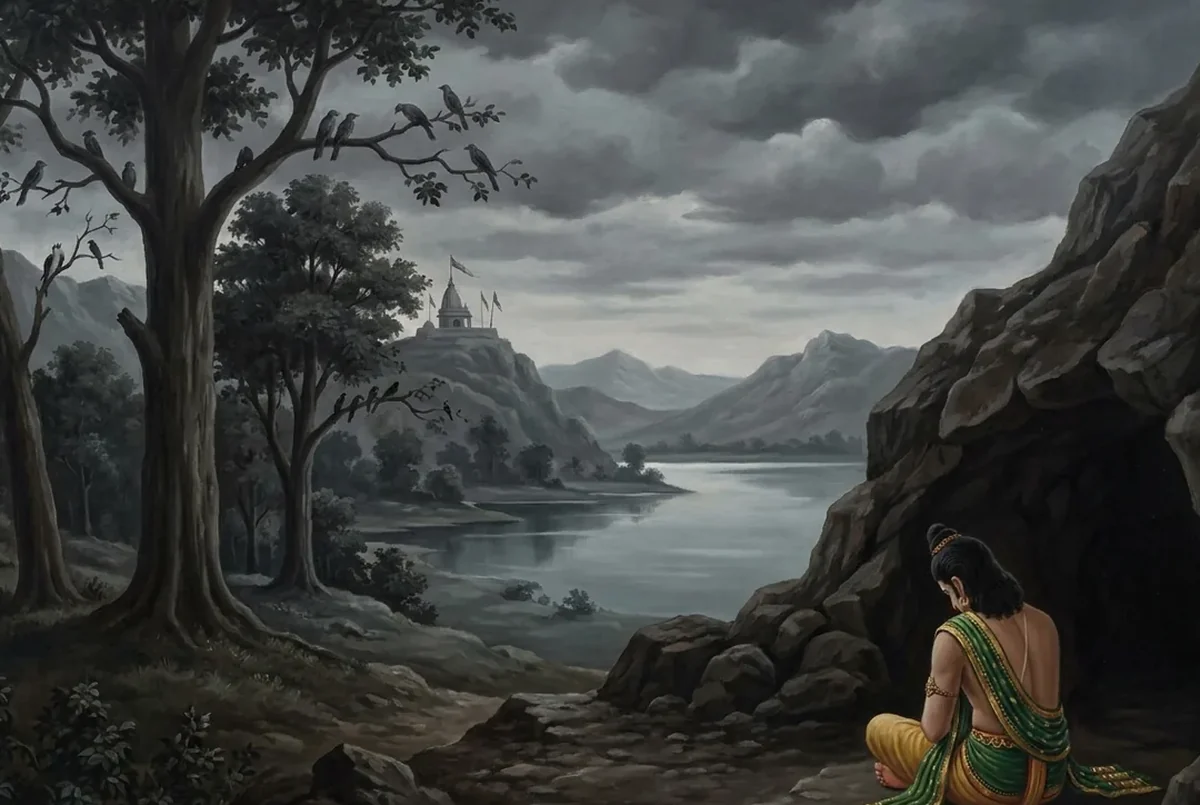
Grieving for his son, Vayu withdrew into a cave and the wind stopped blowing across the world. Every creature began to suffer. Brahma came with all the gods, revived the child, and the gods showered him with boons. Indra gave him a body as strong as the vajra, which is why he is called Bajrangi. Surya gave him a share of his brilliance and promised to teach him all knowledge, Yama freed him from fear of death, and Agni and Varuna protected him from fire and water.
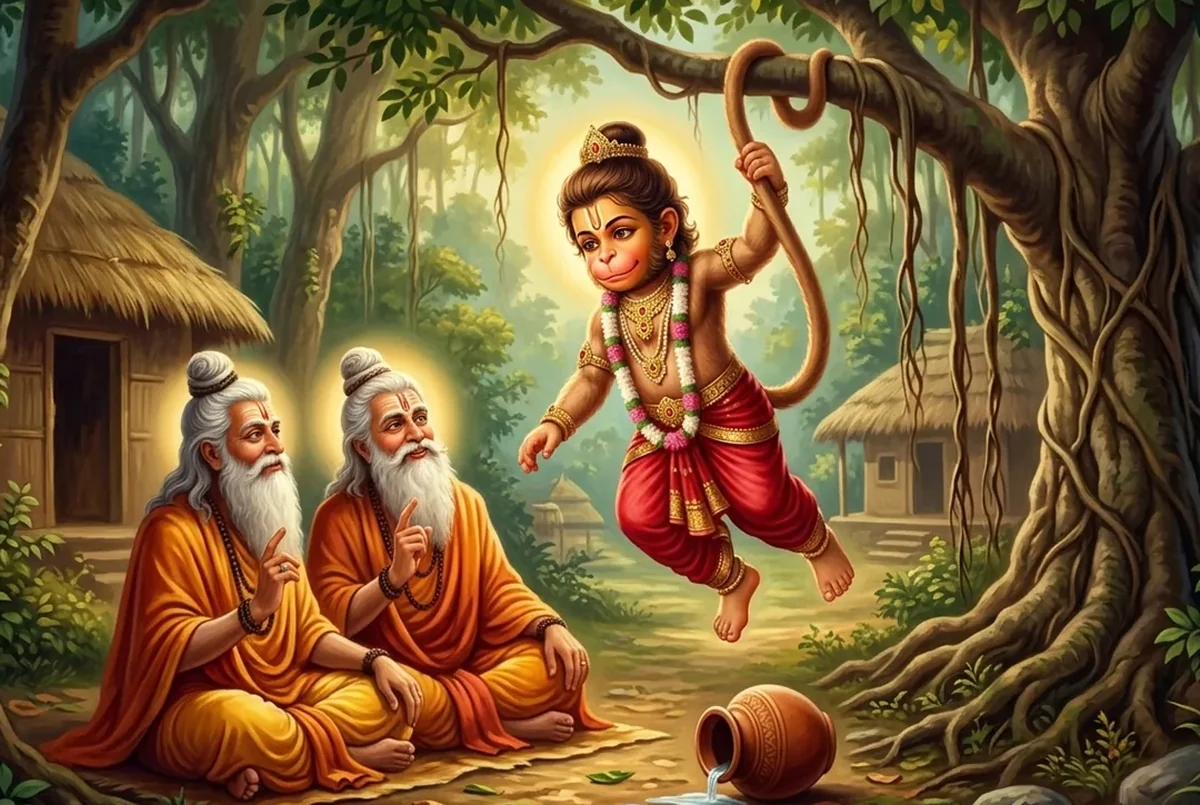
Because of his childhood mischief, the sages also said he would forget his powers until someone reminded him. That is why, on the seashore, he leapt to Lanka only after Jambavan reminded him of his strength.
May Sankatmochan Hanuman bless everyone with strength, wisdom and a fearless heart.
How it is observed
- Hanuman is believed to have been born at sunrise, so puja is done early in the morning after a bath.
- Offer a chola of sindoor mixed with jasmine oil, red flowers and a Tulsi garland; bhog includes boondi, besan laddoos, jaggery with gram, and paan.
- Recite the Hanuman Chalisa, Sundarkand and Bajrang Baan, and chant Shri Rama's name.
- Dates: Chaitra Purnima in north India; Kartik Krishna Chaturdashi in some Ayodhya traditions; Pana Sankranti in Odisha; Vaishakha Krishna Dashami in Andhra Pradesh and Telangana; Margashirsha Shukla Trayodashi in Karnataka; Margashirsha Amavasya in Tamil Nadu and Kerala.
Frequently asked questions
When is Hanuman Jayanti 2027?
Hanuman Jayanti 2027 is on 20 April 2027, Tuesday. Dates follow the Hindu panchang for Delhi; other cities can differ by a day.
What is the puja or fasting time for Hanuman Jayanti 2027?
Purnima tithi from 20 April, 4:52 AM until 21 April, 3:57 AM; Moonrise 6:31 PM (Delhi)
Why is Hanuman Jayanti celebrated?
This day celebrates the birth of Hanuman, son of the Wind god, a portion of Lord Shiva and the greatest devotee of Shri Rama.
Source
Valmiki Ramayana (Kishkindha Kanda, Jambavan's account of Hanuman's birth; Uttara Kanda, Rahu, Indra and the gods' boons); Hanuman as a portion of Shiva in the Shiva Purana (Shatarudra Samhita); the kheer episode and the regional dates are regional traditions.