
Makar Sankranti — Story and Significance
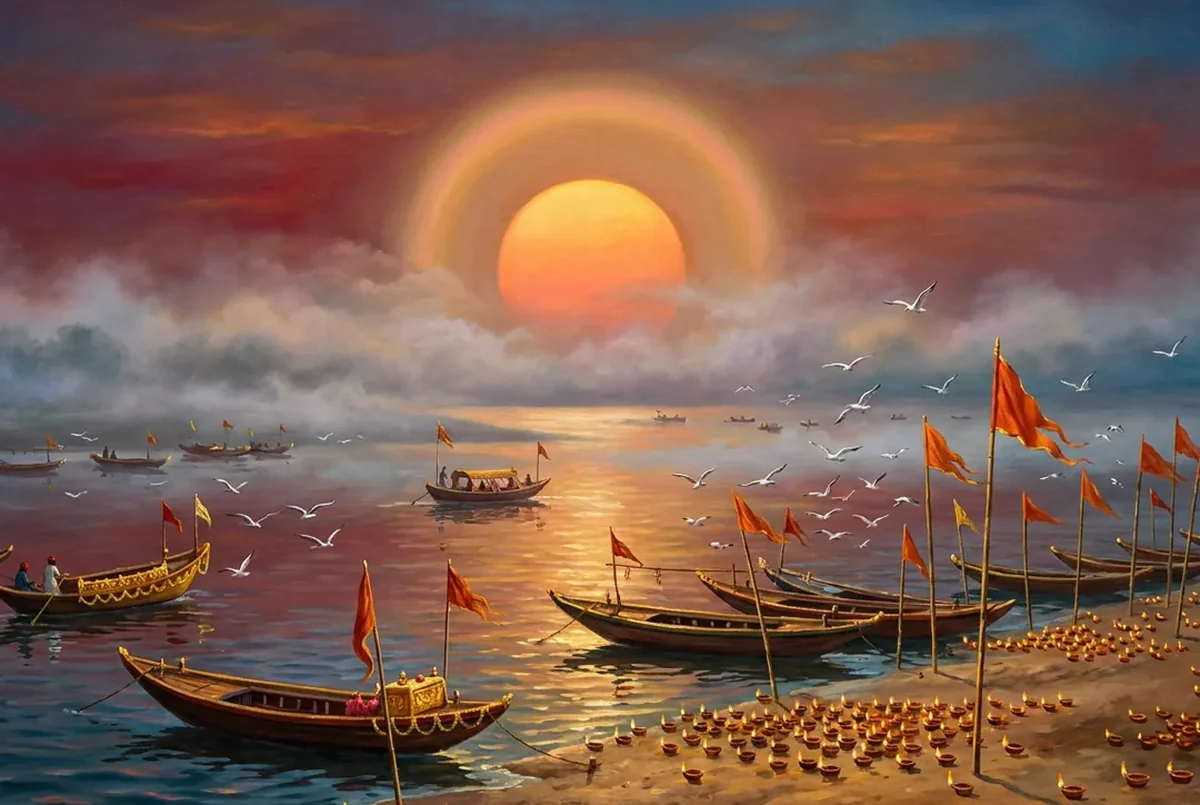
Makar Sankranti — When is it
- 15 January 2027, Friday
Why is this day celebrated?
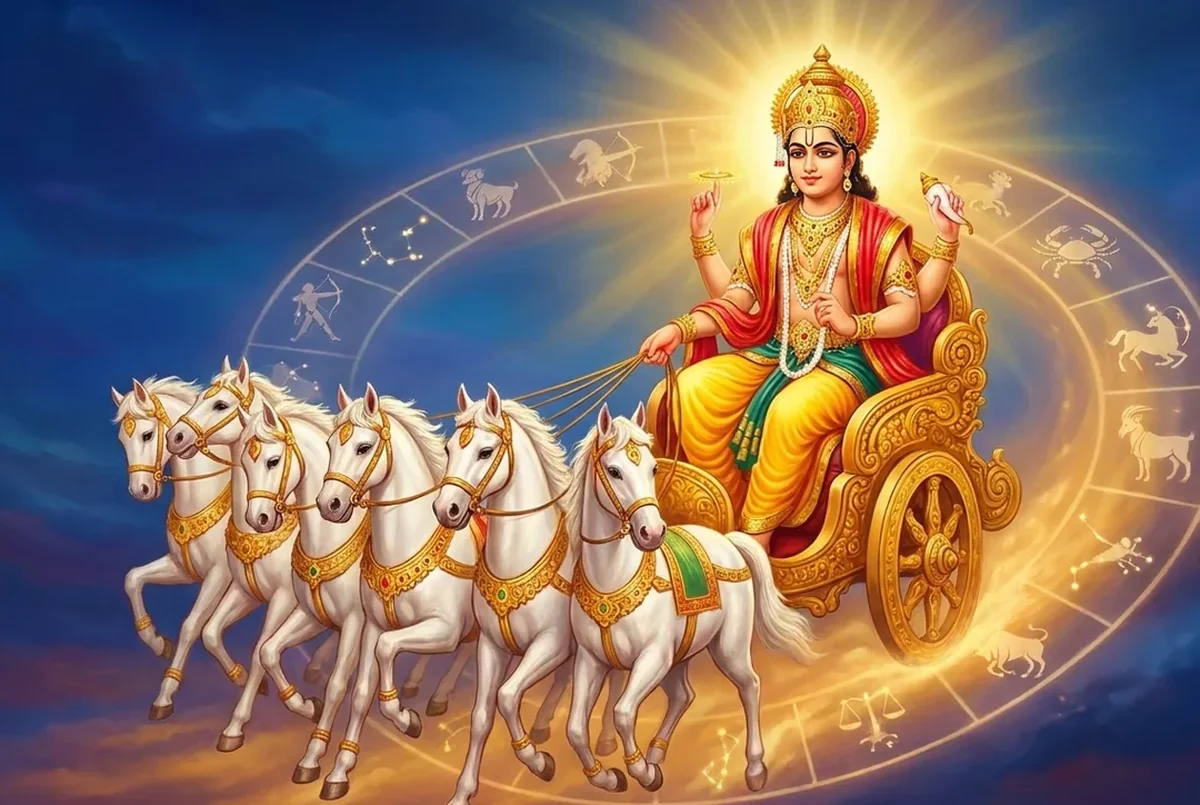
On this day the Sun moves from Dhanu into Makara, Capricorn, and begins his northward journey, Uttarayan. The scriptures call Uttarayan the day of the gods and the most auspicious time of the year. So it is a festival of holy baths, charity and sharing the sweetness of til-gud, sesame and jaggery.
The katha
Tradition says the Sun travels through the twelve signs of the zodiac, and when he enters Makara his chariot turns north. The six months of Uttarayan are considered the daytime of the gods, when good deeds bear special fruit. The lord of Makara is Shani, the Sun's own son. A folk tale says the Sun visits his son's house on this day, and Shani welcomed his father with black sesame, which is why til is so central to the festival.
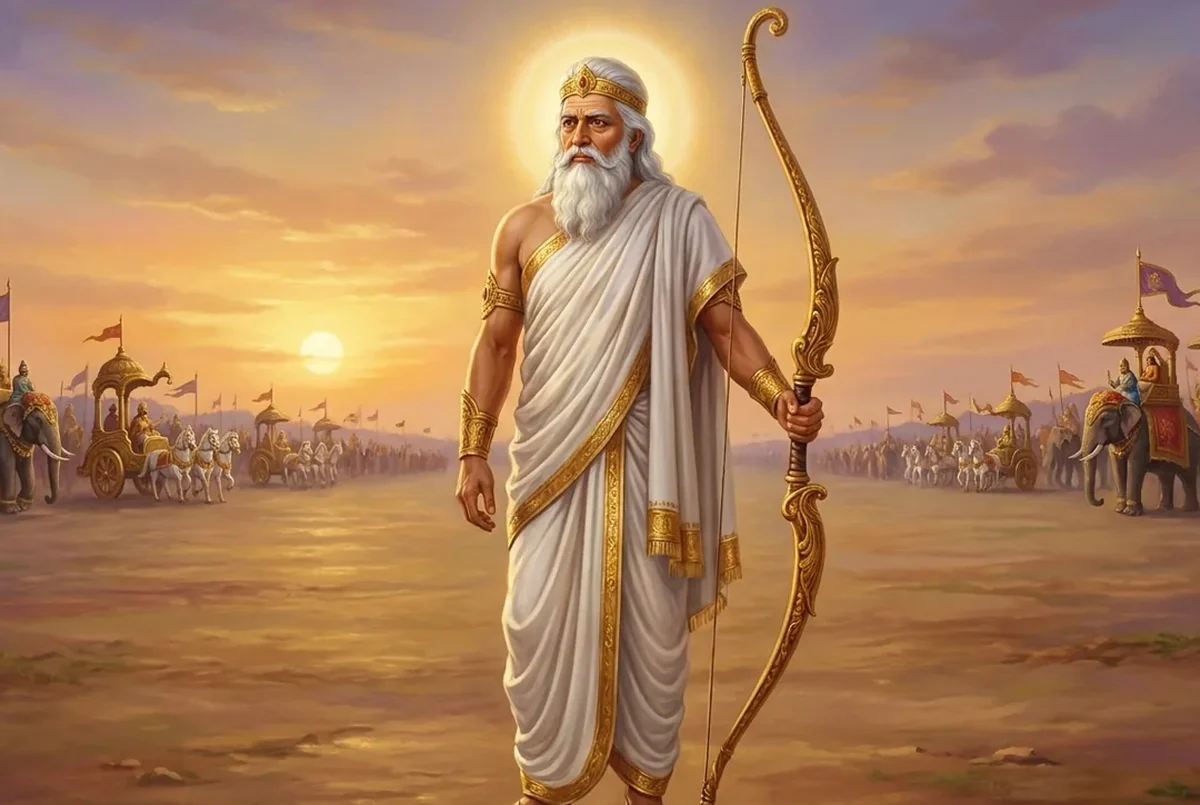
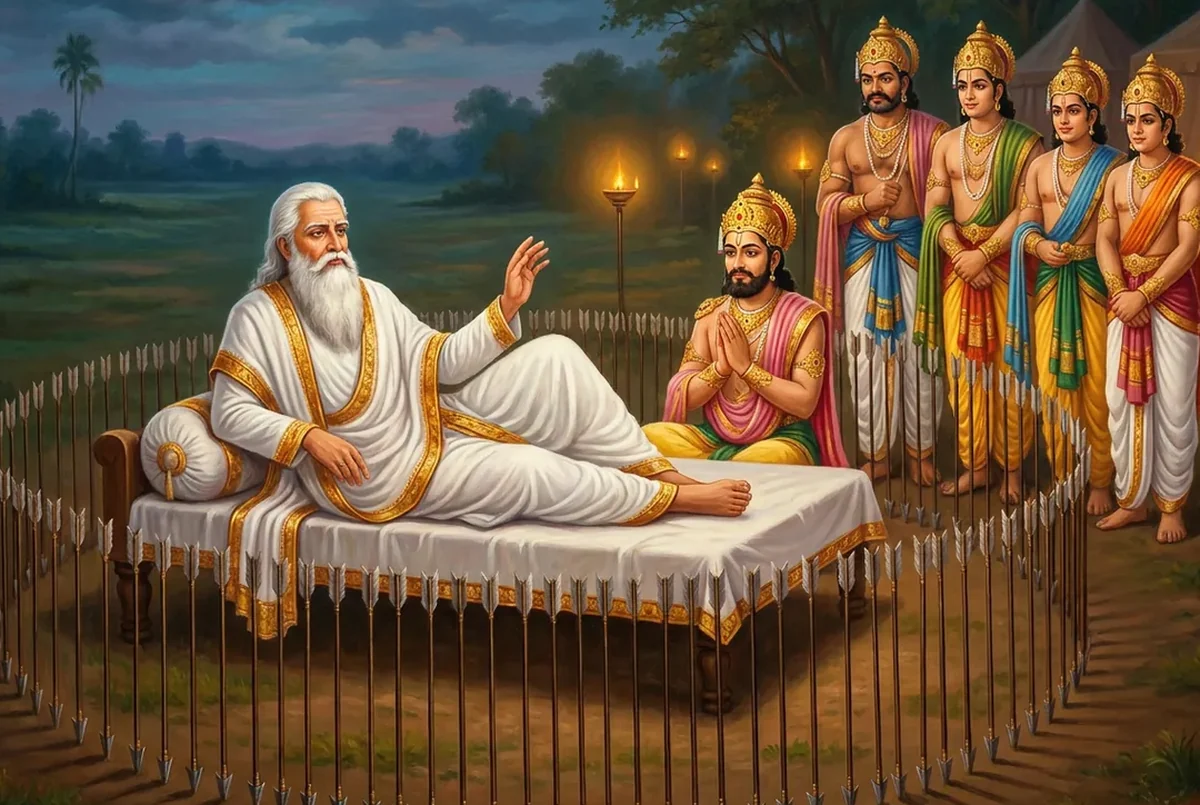
The Mahabharata shows the greatness of this time. Bhishma had a boon from his father that he could choose the moment of his death. Wounded by Arjuna's arrows at Kurukshetra, he lay on a bed of arrows while the Sun was still in its southern course. He decided to wait for Uttarayan. For weeks he lay there, teaching Yudhishthira the duties of a king and the wisdom of life. When the Sun turned north, gazing upon Krishna, he peacefully gave up his body.
Another story is of Mother Ganga. King Sagar performed the horse sacrifice, but Indra stole the horse and tied it near the ashram of the sage Kapila. Sagar's sixty thousand sons found it there and accused the meditating sage of theft. When he opened his eyes, his fiery gaze turned them to ash.
Generations later King Bhagiratha performed deep penance to free his ancestors. Ganga descended from heaven, Lord Shiva caught her in his matted locks, and she followed Bhagiratha's chariot across the land. It is believed that on Makar Sankranti she reached Kapila's ashram and met the sea, freeing Sagar's sons. That place is Gangasagar, where lakhs of pilgrims bathe on this day.
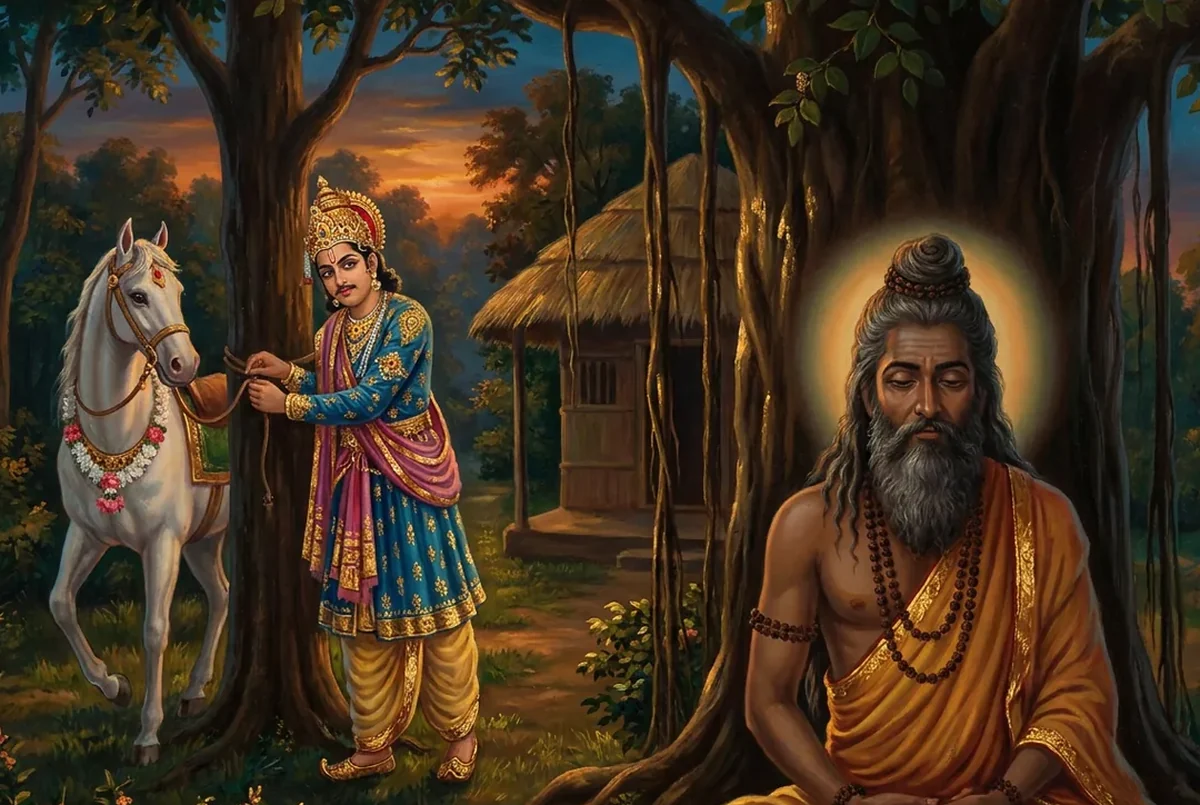
India celebrates the day under many names, Pongal in Tamil Nadu, Lohri on the evening before in Punjab, and kite-filled Uttarayan in Gujarat. In Maharashtra people share til-gud and say, take til-gud and speak sweetly.
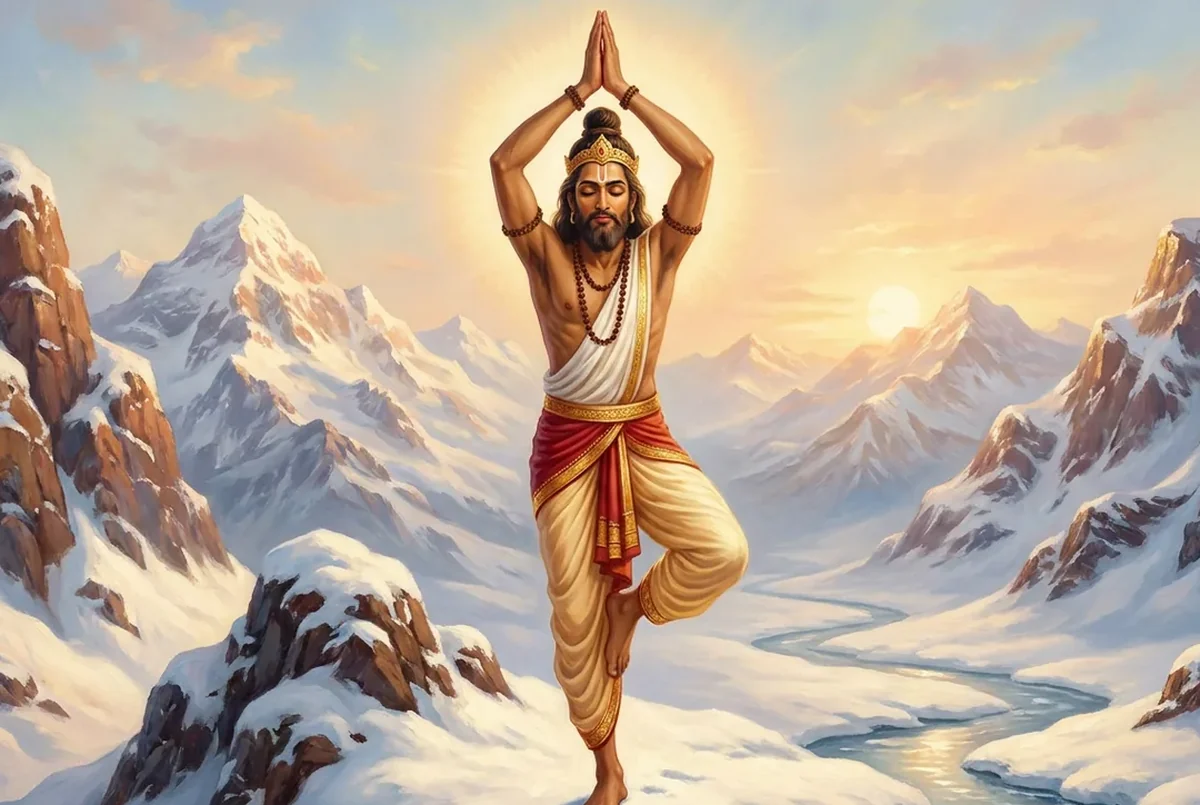
As the Sun turns from darkness towards light, may we too leave bitterness behind and turn towards sweetness. May Surya fill every life with new light.
How it is observed
- Bathe in a holy river or at home, and offer arghya to the Sun with red flowers and sesame in the water.
- Til-gud laddoos and khichdi are prepared; in north India the day is also called Khichdi.
- Giving sesame, jaggery, khichdi, blankets and grain is considered especially meritorious.
- The Magh Mela at Prayag and the Gangasagar Mela in Bengal are held; the festival usually falls on the fourteenth or fifteenth of January.
Frequently asked questions
When is Makar Sankranti 2027?
Makar Sankranti 2027 is on 15 January 2027, Friday. Dates follow the Hindu panchang for Delhi; other cities can differ by a day.
Why is Makar Sankranti celebrated?
On this day the Sun moves from Dhanu into Makara, Capricorn, and begins his northward journey, Uttarayan.
Source
Bhishma waiting for Uttarayan is in the Mahabharata (Bhishma and Anushasana Parvas); the descent of Ganga is in the Valmiki Ramayana (Bala Kanda) and the Bhagavata Purana; the link of Gangasagar with Sankranti and the tale of Shani and the sesame are folk tradition.