
Ambaji: Amba of Arasur, where Sati's heart fell
Ambaji, Banaskantha, Gujarat
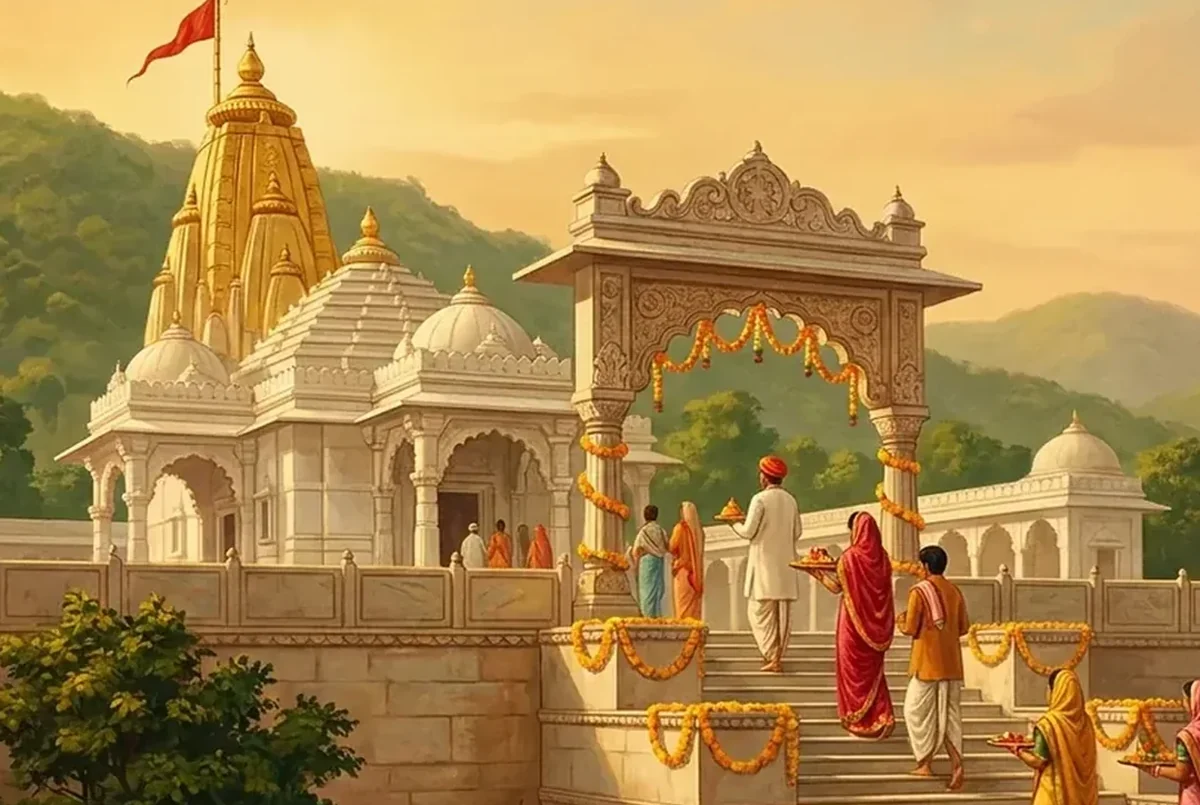
Ambaji, in the Arasur hills of the Aravallis in Gujarat's Banaskantha district, is a renowned Shakti Peetha where Mother Amba is worshipped. Tradition holds that the heart of Goddess Sati fell here. What makes the temple unique is that its sanctum holds no image; the sacred Visa Yantra is worshipped instead.
This is a story from very long ago. Sati, daughter of Prajapati Daksha, had chosen Lord Shiva as her husband by her own heart's wish, but Daksha never accepted the match. Once he held a grand yagna and invited all the gods, but not his daughter or her husband. When Sati heard of it, she longed to go to her father's home. Shiva gently advised her not to go uninvited, but Sati set out, thinking that a daughter needs no invitation to her father's house.

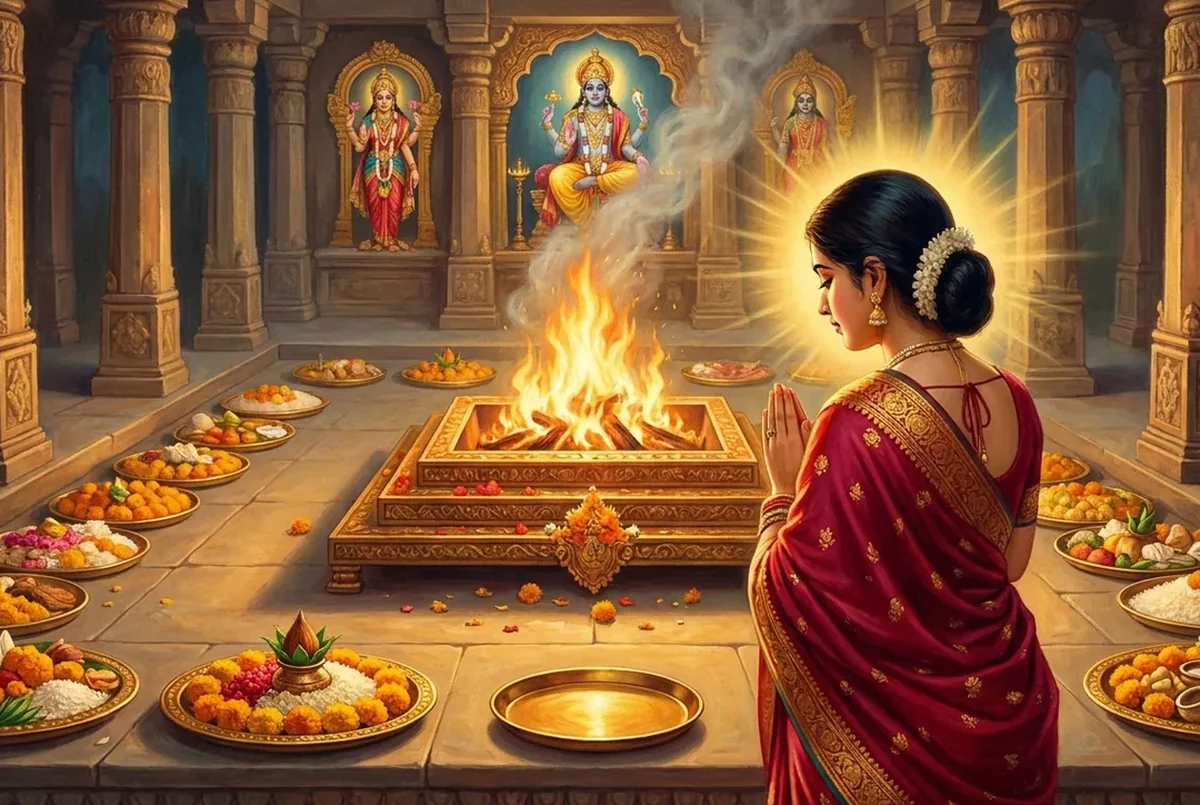
At the yagna, Sati saw that no share of the offerings had been kept for Shiva. In front of everyone, Daksha insulted her husband. Sati could not bear it. She said she would no longer keep the body she had received from such a father, and she gave it up in the fire of her own yoga. When the news reached Shiva, his grief turned to fury, and Daksha's yagna was destroyed.
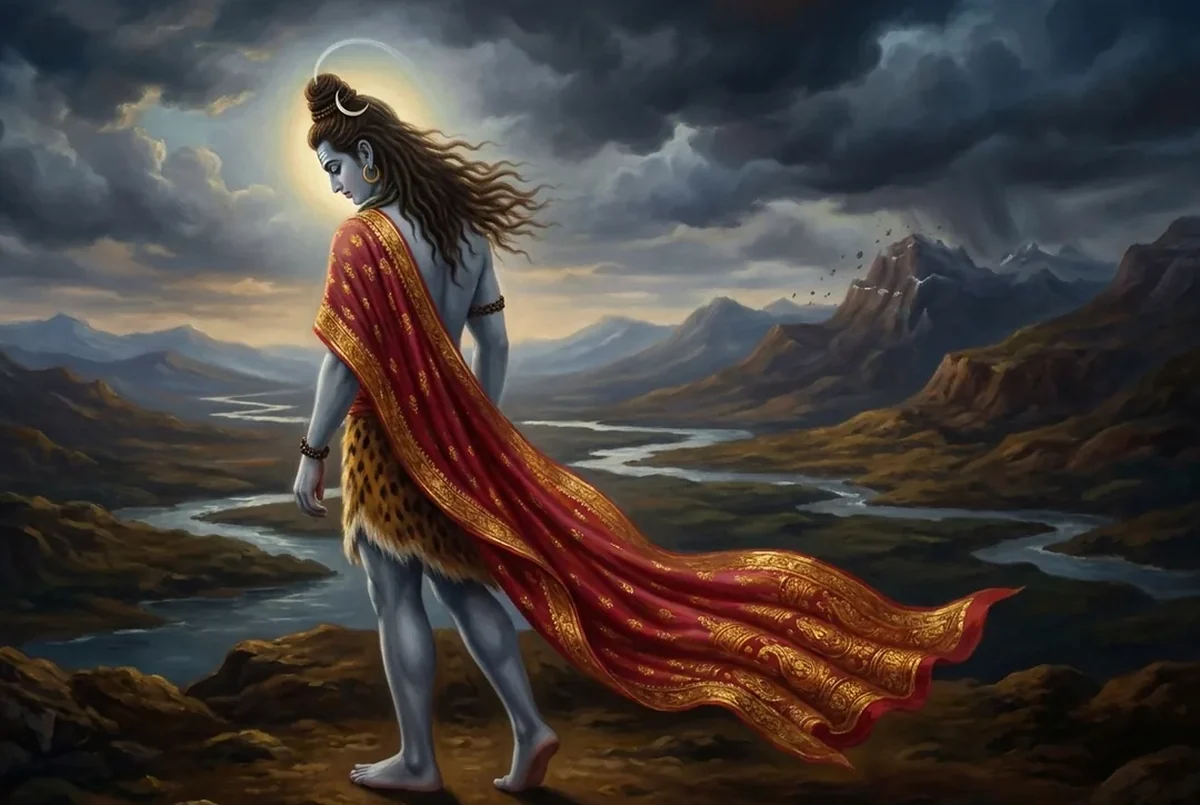
Lost in sorrow, Shiva lifted Sati's body onto his shoulder and wandered across the worlds. His grief shook the balance of creation. Then Lord Vishnu, with his Sudarshan chakra, parted Sati's body, so that Shiva's attachment would ease and the world could steady itself. Wherever the parts of her body and her ornaments fell, those places became Shakti Peethas, where the Mother's power dwells for ever.
By tradition, Sati's heart fell on the Arasur hills of the Aravallis, near the border of Gujarat and Rajasthan. That is why Ambaji is called the place of the Mother's heart. The heart is where love lives, where a mother holds every child without distinction. Devotees say this is why Arasuri Amba takes in everyone who comes to her door, from wherever they may come.

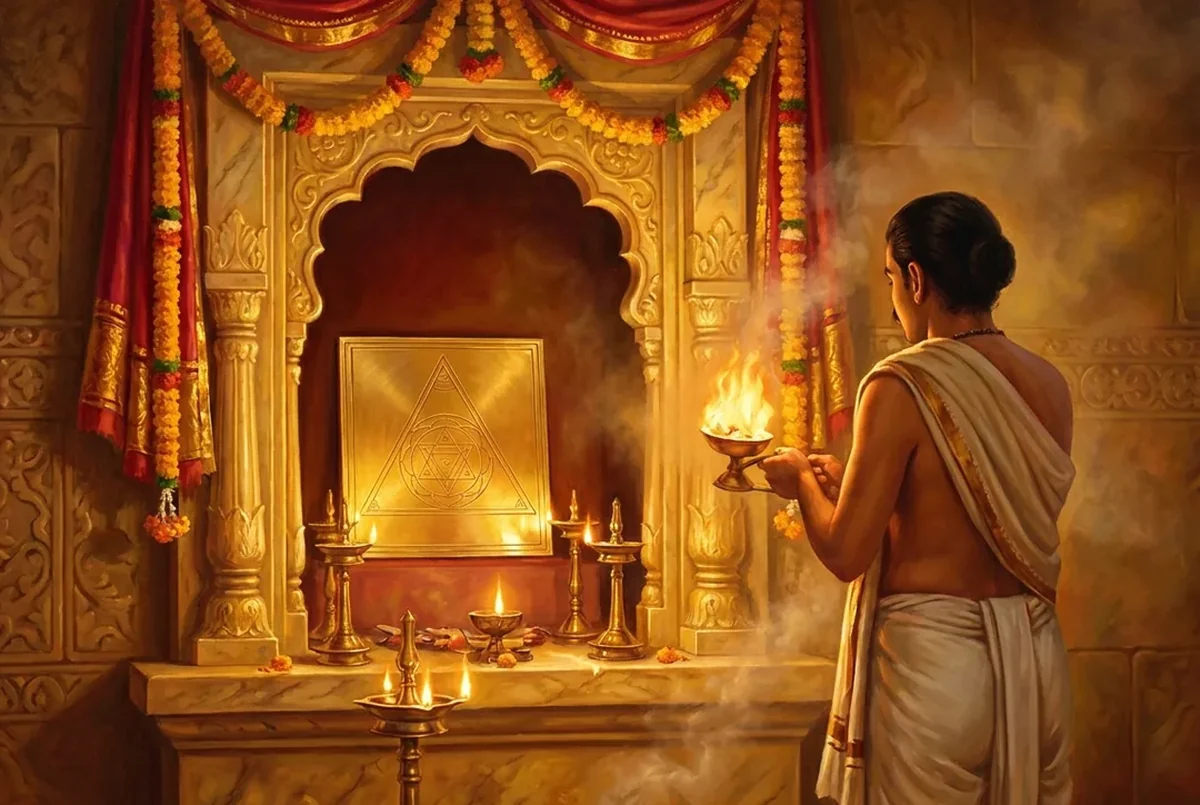
The Ambaji temple has no image of the Mother. In a gokh, a niche in the wall of the sanctum, rests the golden Visa Yantra, regarded as a form of the Shri Yantra and said to bear fifty-one letters. It stays covered, it is never photographed, and even the priests worship it with their eyes bound with cloth. The niche is adorned so that, from a distance, devotees seem to see the Mother's form. She is not seen; she is felt.
A few kilometres from the temple rises Gabbar hill, revered as the Mother's original seat. On its summit an akhand jyot, an unbroken flame, keeps burning, and on clear nights its light can be seen from below. Folk belief also holds that Nand and Yashoda brought the child Krishna here to Arasur, to the Mother's shrine, for his babri, the ceremony of his first haircut.
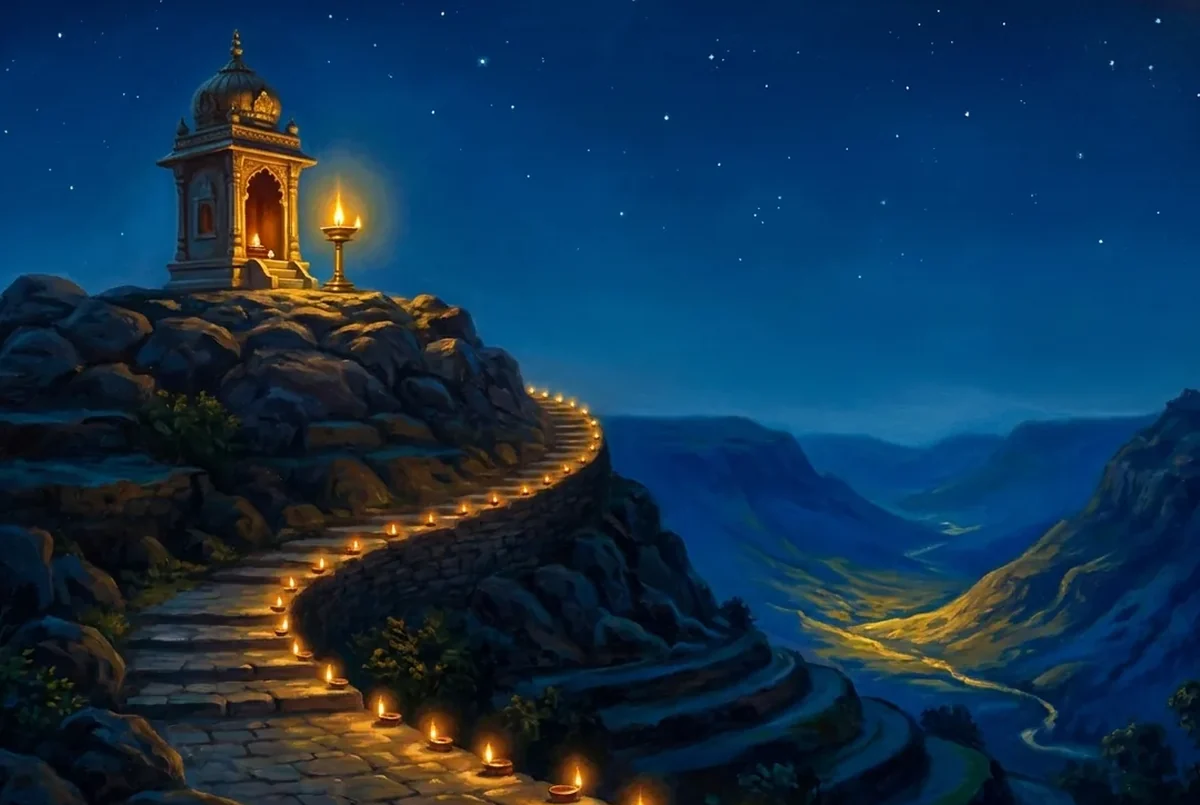
On Bhadarvi Poonam, lakhs of devotees from villages all over Gujarat walk for days carrying flags for the Mother, until they reach her court, and the cry of Jai Ambe rings along the whole road. At Navratri the temple grounds come alive with garba. The story of Ambaji reminds devotees that it takes faith, not eyes, to see the Mother, and that no one is a stranger in the place where her heart rests.
Source
The story of Sati and Daksha's yagna is told in the Shiva Purana and the Devi Bhagavata Purana, and the lists of Shakti Peethas differ between texts. The heart falling at Ambaji, the worship of the Visa Yantra and the Gabbar traditions belong to the temple's own tradition and Gujarati folk belief.