
Ram Raja Sarkar: The Ram of Orchha, who never moved past the palace
Orchha, Niwari district, Madhya Pradesh
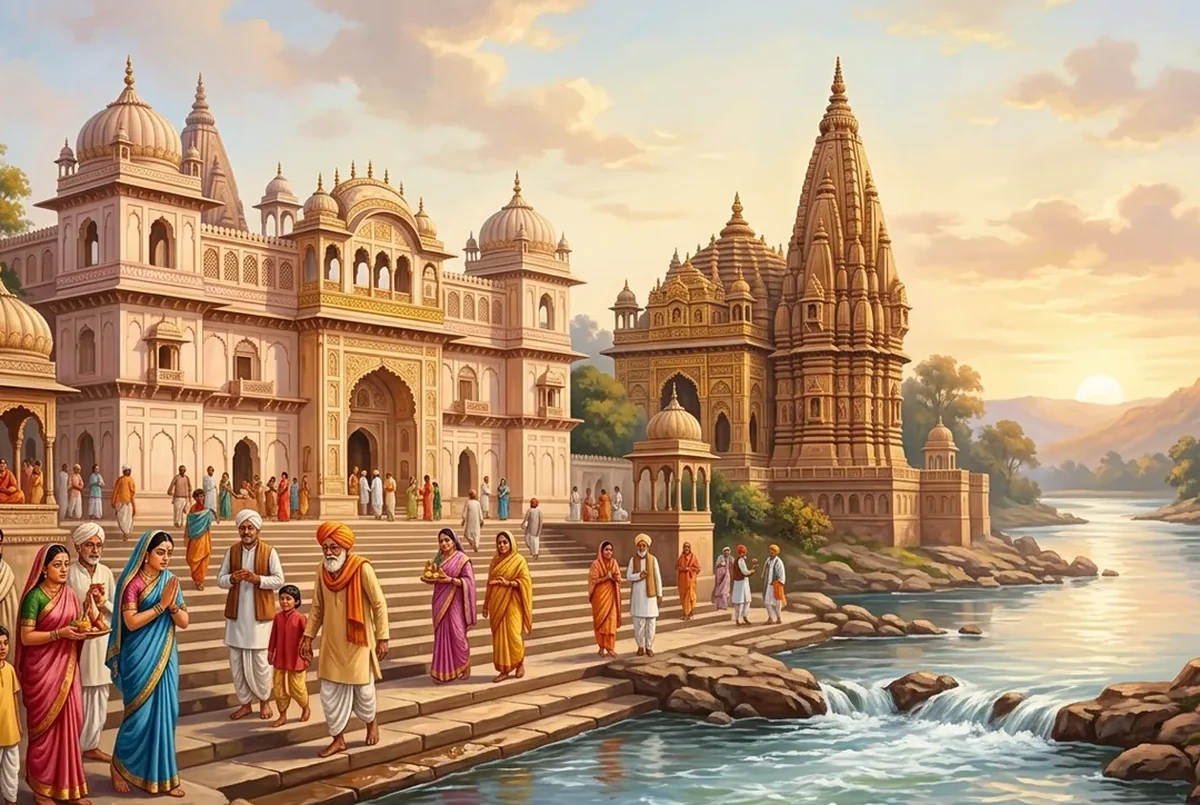
At Orchha on the Betwa in Bundelkhand, Shri Ram is enshrined not in a temple but in the queen's palace, and there he is held to be the king before he is the deity. This is the one place where Ram is given an armed salute every day, and where darshan opens and closes like a royal court. Behind it lies the story of a sixteenth-century queen's stubborn love and a promise given.
In the sixteenth century Orchha was ruled by Raja Madhukar Shah. The king's heart rested in the worship of Krishna, and his queen Ganesh Kunwari, also called Kamla Devi, was a devotee of Ram. The devotion of both was true, but a loving argument ran on in the house about whose Lord was the more merciful. One day the argument went a little too far.
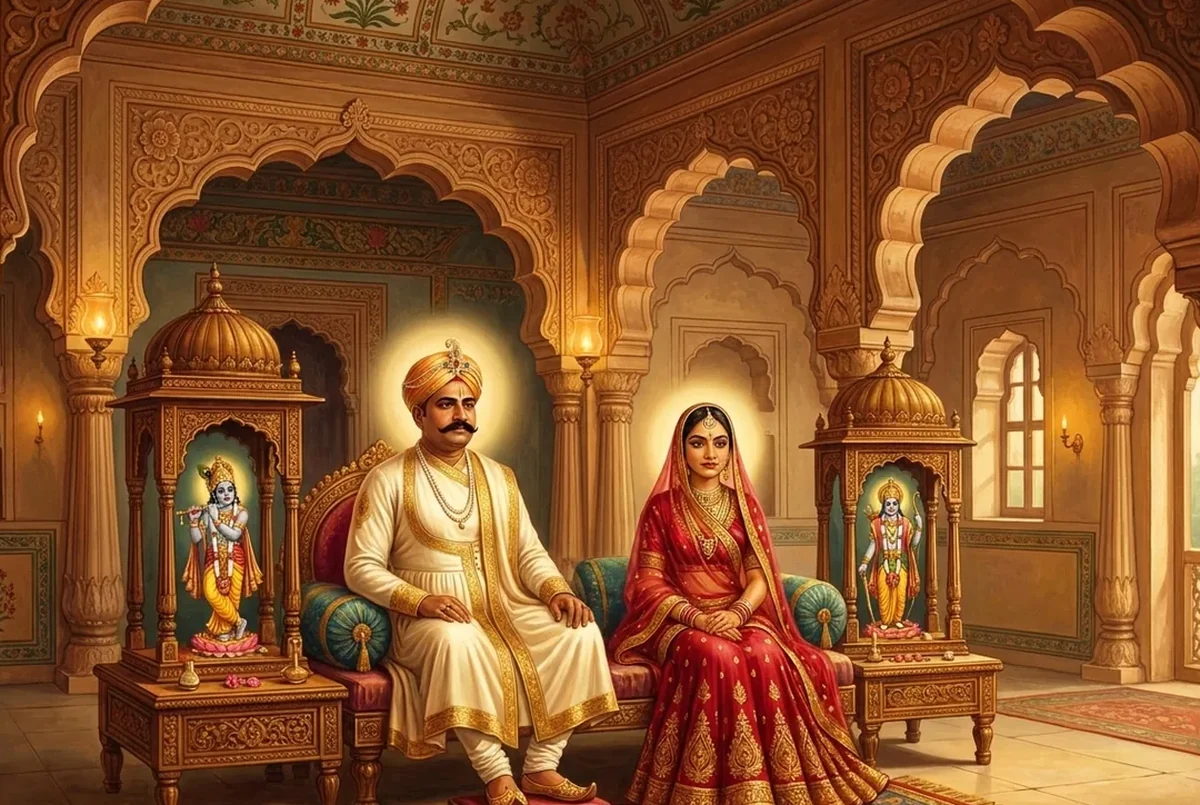
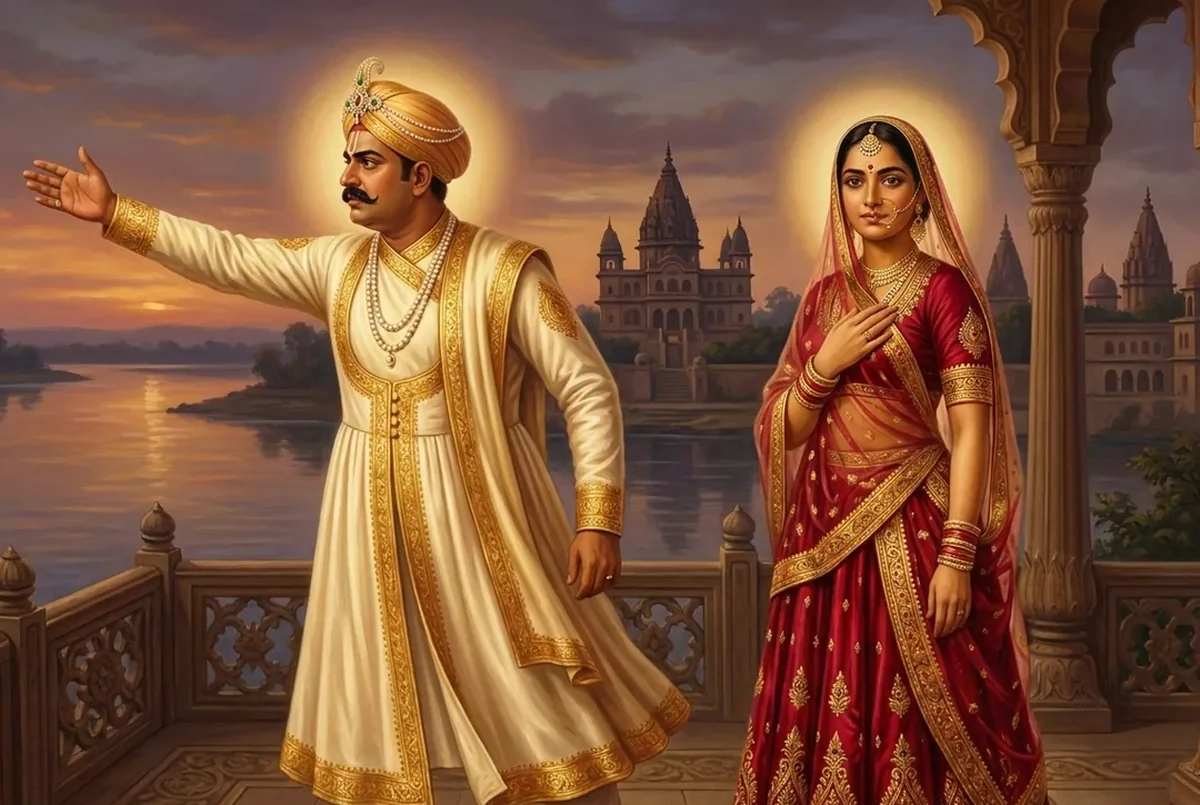
The king wished to travel to Vrindavan, and the queen's heart was set on Ayodhya. Hurt, he said, then go, go to Ayodhya, and do not come back unless you bring your Ram with you. What was spoken as a taunt the queen took up as a vow.
She reached Ayodhya and sat down on the bank of the Sarayu. As the days passed she gave up grain, then fruit, then leaves, and at last took nothing at all. Nearly a month went by in this way and no answer came. One morning, losing heart, she went down into the water of the Sarayu.
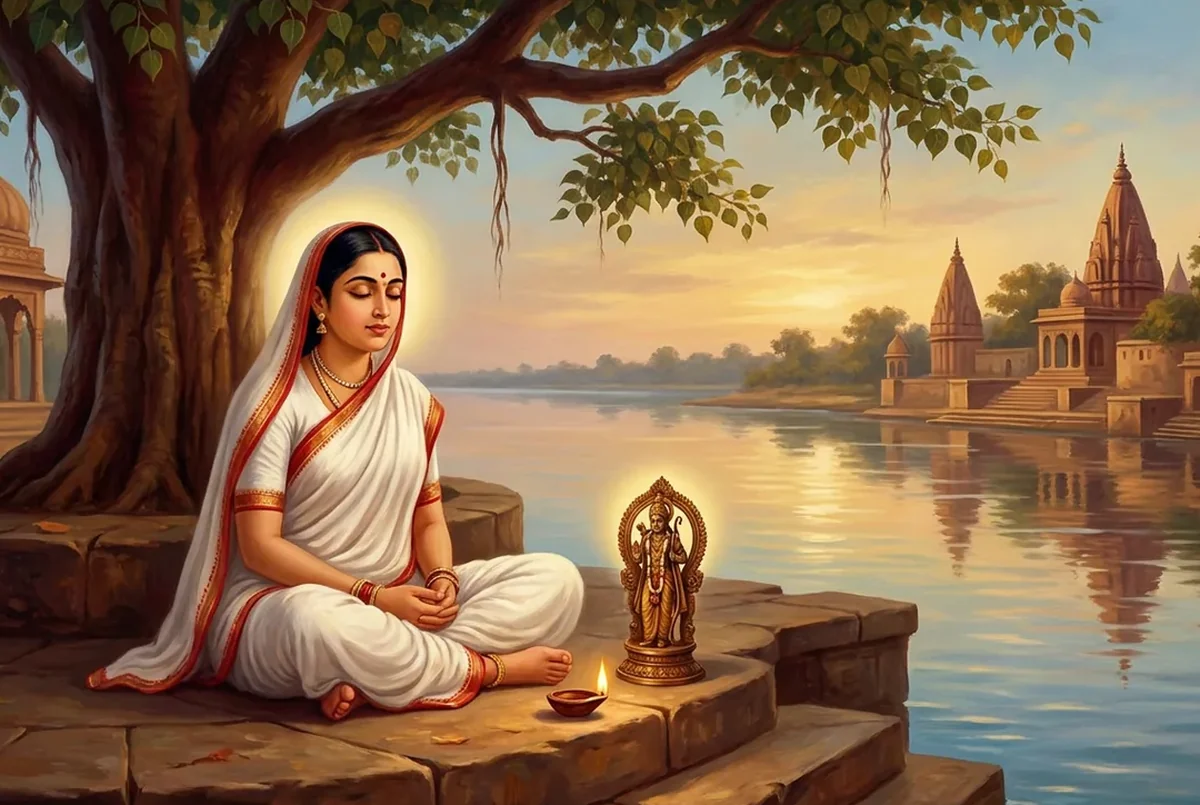
Tradition says the answer came in that very moment. Not as a king carrying a bow, but as a small child, the Lord came into her lap. Her breath returned to her, and she said only this: come with me to Orchha.
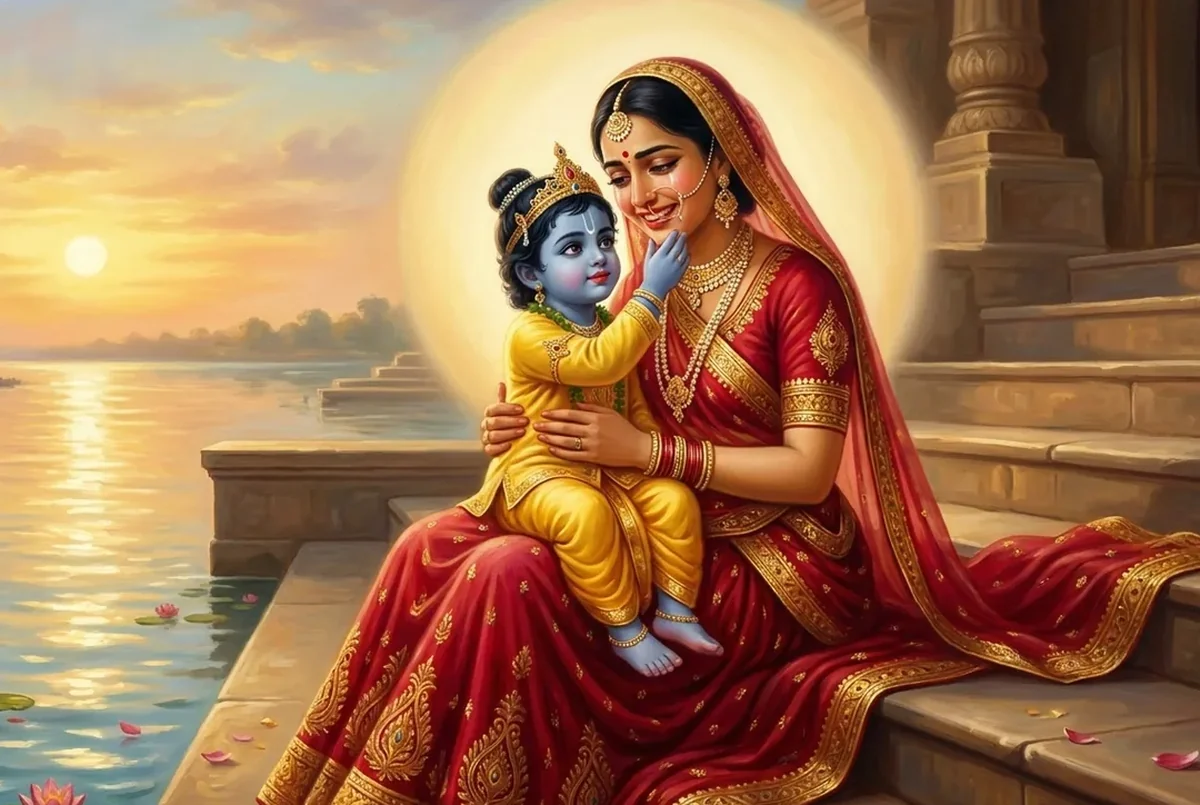
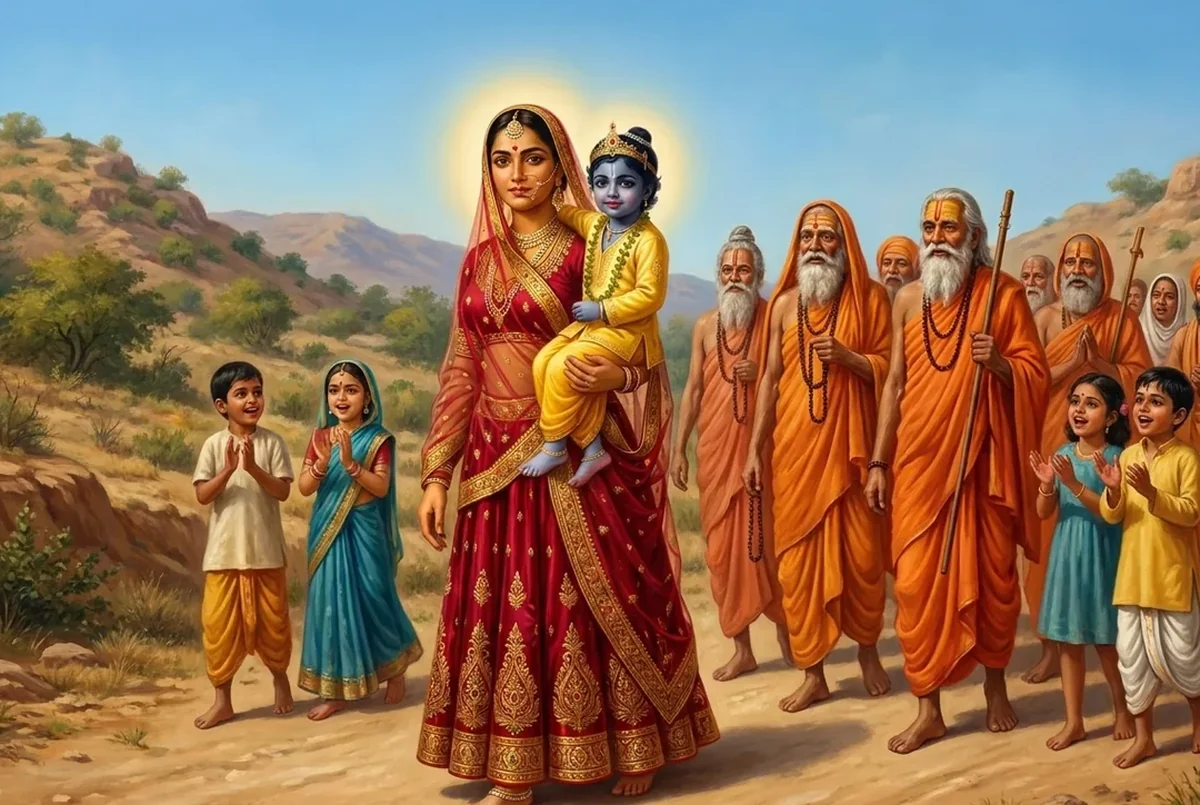
The child laid down three conditions. First, that in Orchha he alone would be king, and no one else would rule there. Second, that the journey would be made only under the Pushya nakshatra, on foot, with saints and children walking along. And third, that wherever she first seated him, from that place he would not rise again.
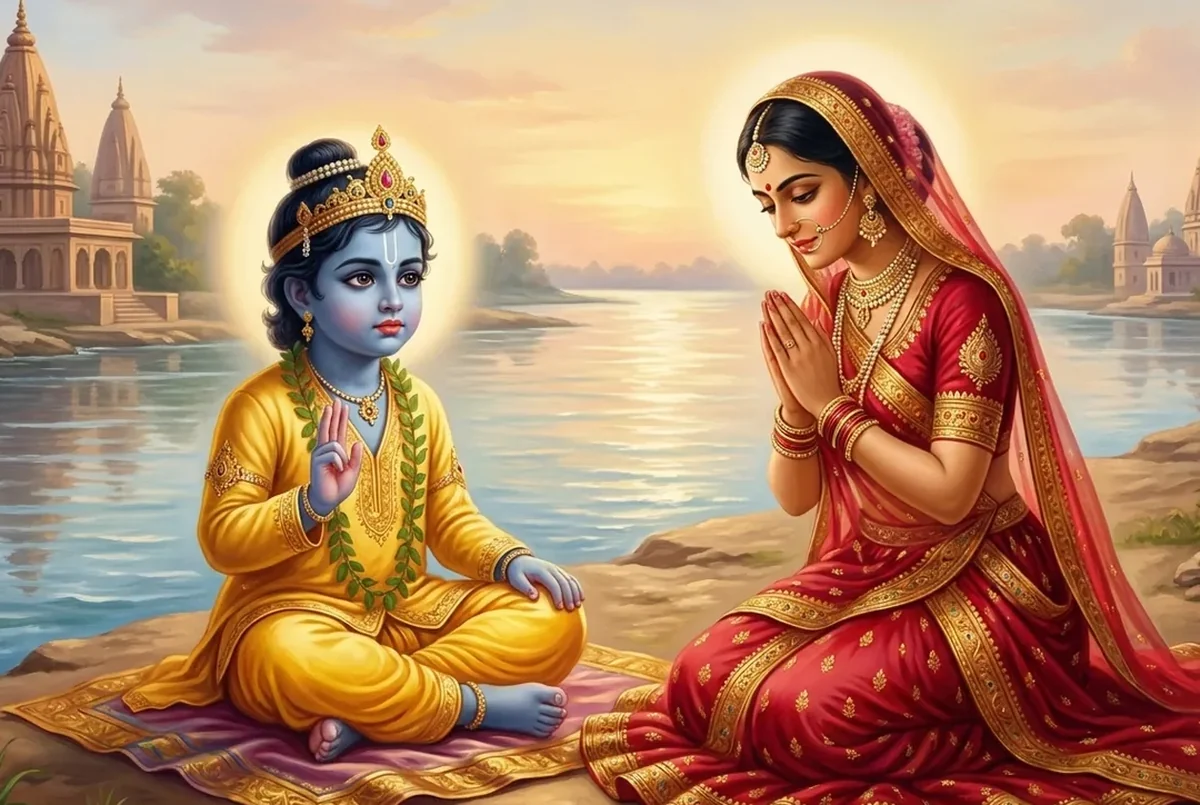
The queen accepted all three. It is said the journey took eight months and twenty-seven days. Meanwhile in Orchha the king's heart had changed, and he had begun building for the Lord a tall and splendid temple by the Betwa, called Chaturbhuj.
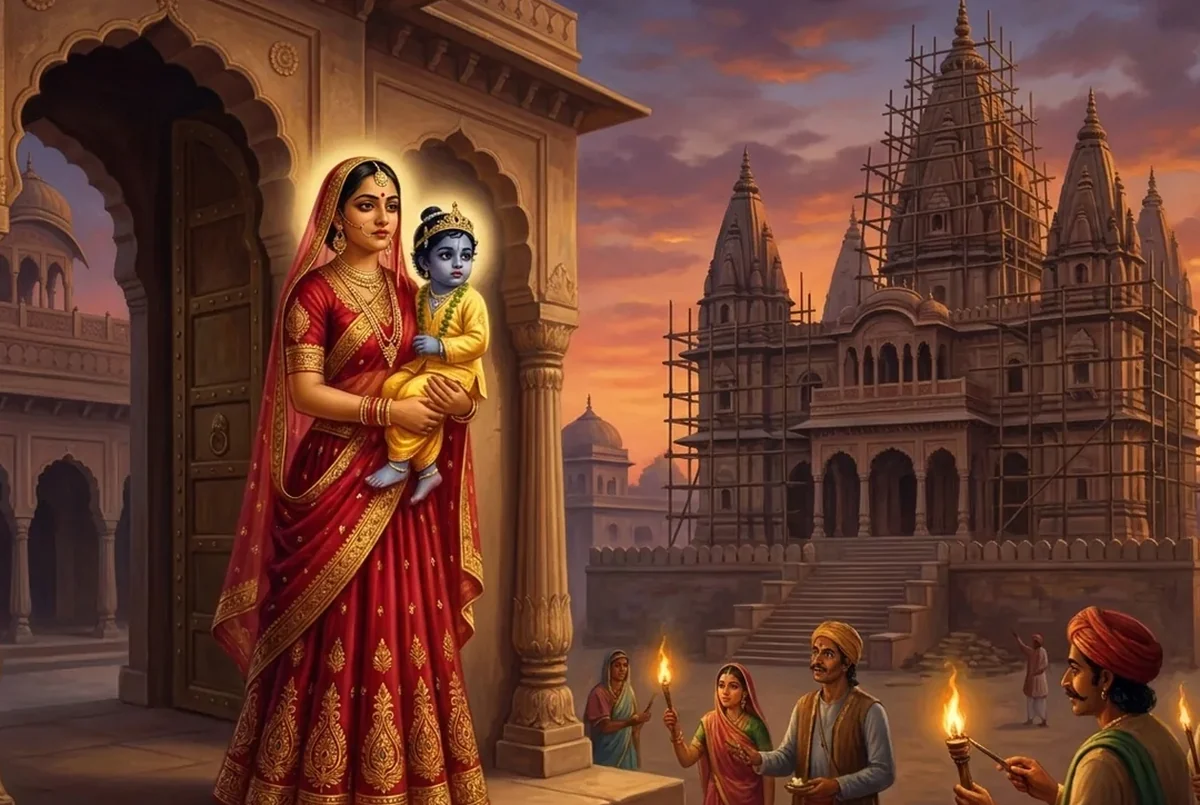
When the queen reached Orchha it was already evening, and the temple was not finished. She thought it was a matter of only one night, and seated the child in the kitchen chamber of her own palace. In the morning the Lord did not move from there. The condition had been given and accepted, and so the palace became the temple, while the Chaturbhuj temple still stands beside it, tall and empty.
Since then, in Orchha, Ram is the king before he is the deity. Morning and evening a detachment of the Madhya Pradesh police gives him an armed salute, the hours of arati are announced, and darshan opens and closes like a court. It is also held that as long as he is seated here, the throne of Orchha belongs to no one else. The story reminds us that the Lord does not come for a grand building; he comes for that stubborn love which claims him without waiting to be invited.
Source
The story of Queen Ganesh Kunwari and Ram Raja is the temple tradition of Orchha and the folk tradition of Bundelkhand; it is not found in any Purana, and several versions are told. The reign of Raja Madhukar Shah and the building of the Chaturbhuj temple are historical, and Ram Raja is still given an armed salute by the police. The queen's name appears in some accounts as Ganesh Kunwari and in others as Kamla Devi.