
Sankat Mochan Hanuman: The one who came first and left last
Varanasi, Uttar Pradesh
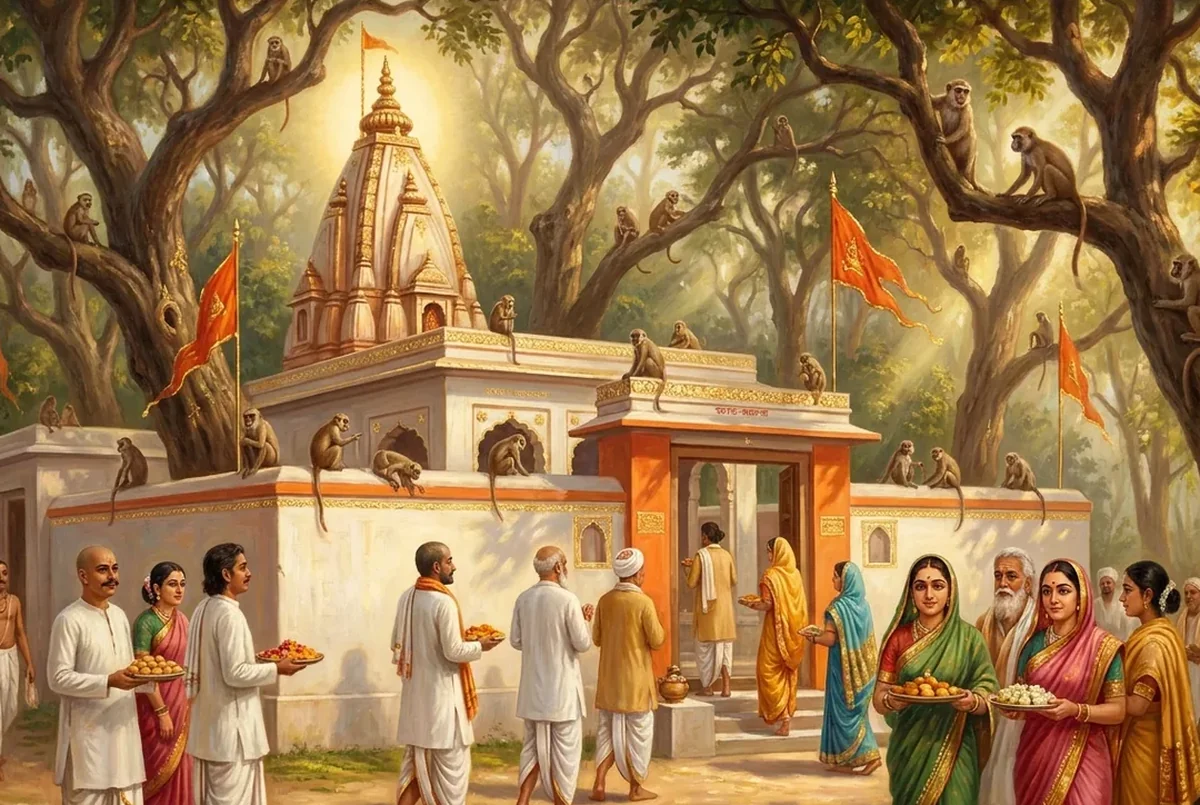
The Sankat Mochan temple in Kashi was established by Goswami Tulsidas at the very spot where, by tradition, Hanuman appeared to him. Sankat Mochan means the one who takes away distress. On Tuesdays and Saturdays besan laddoos and sindoor are offered here, and the Ramcharitmanas and the Sunderkand are recited through the day.
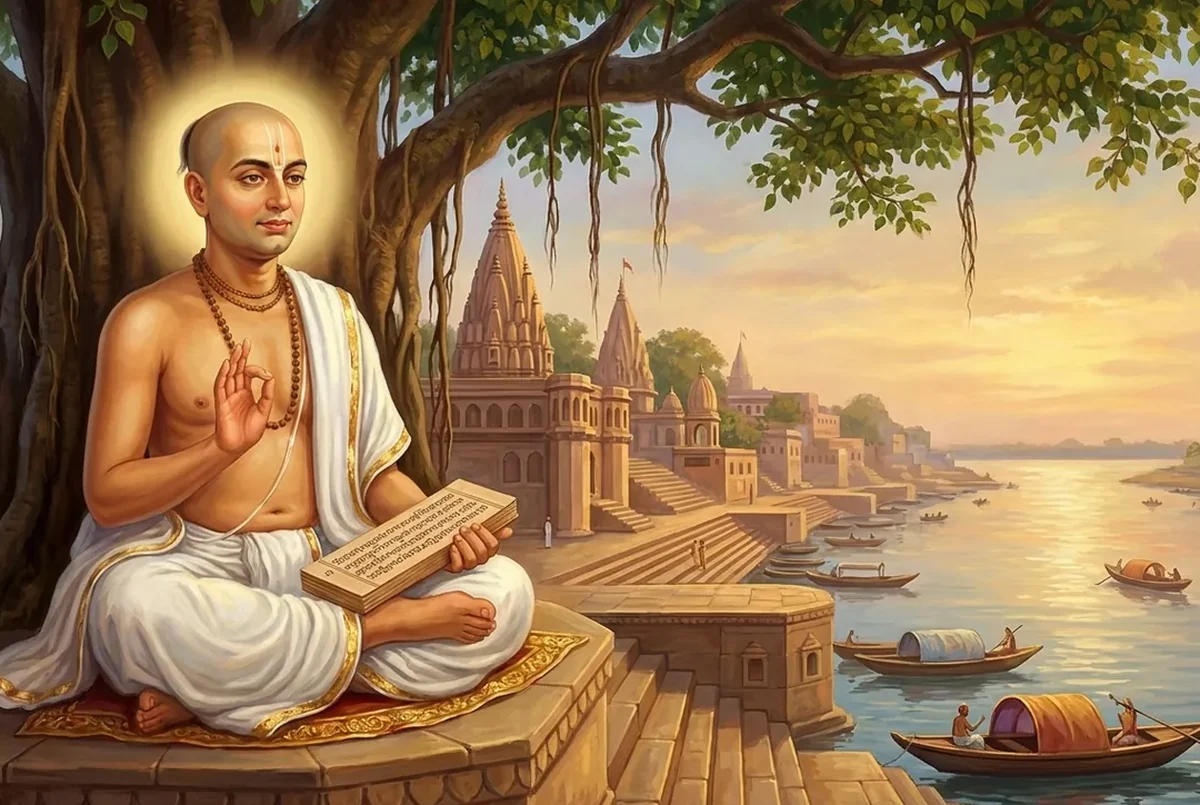
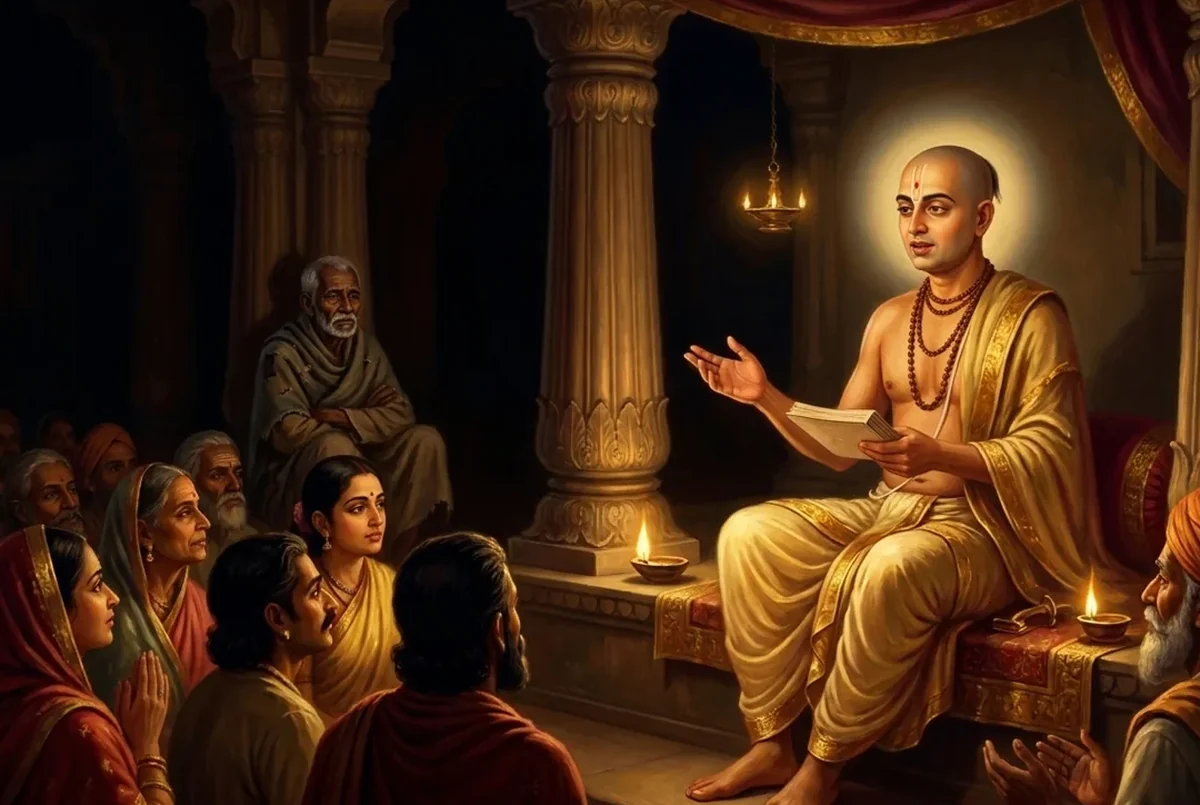
Kashi, in the sixteenth century. Every day Goswami Tulsidas sat at one place and told the story of Ram. As evening came people began to gather, some fresh from a bath in the Ganga, some straight from their work. The crowd that came to listen grew larger by the day.
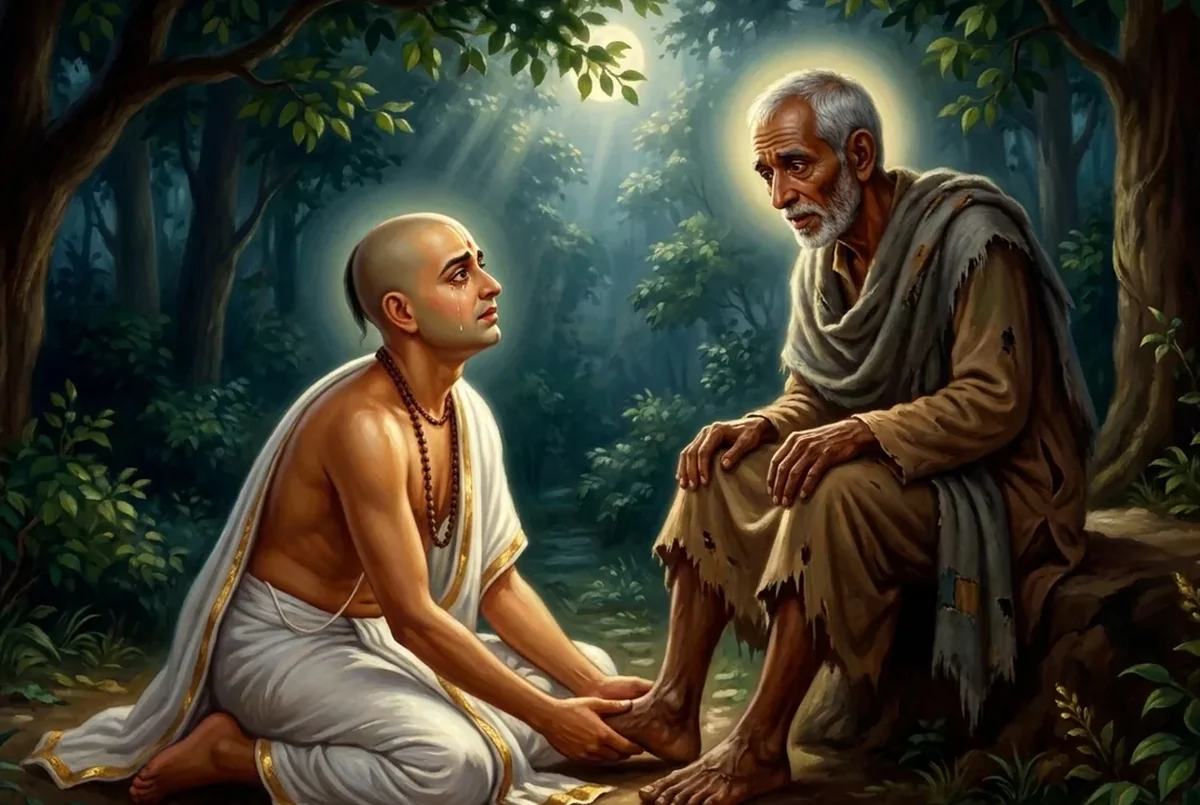
In that crowd was an old man whom Tulsidas had been noticing for many days. His clothes were soiled, his body worn by disease, and there was no asking on his face. He would arrive before anyone else and sit in a far corner at the back, listen to the whole katha without stirring, and go away quietly last of all, after everyone else had risen. He never asked anything and never said anything.
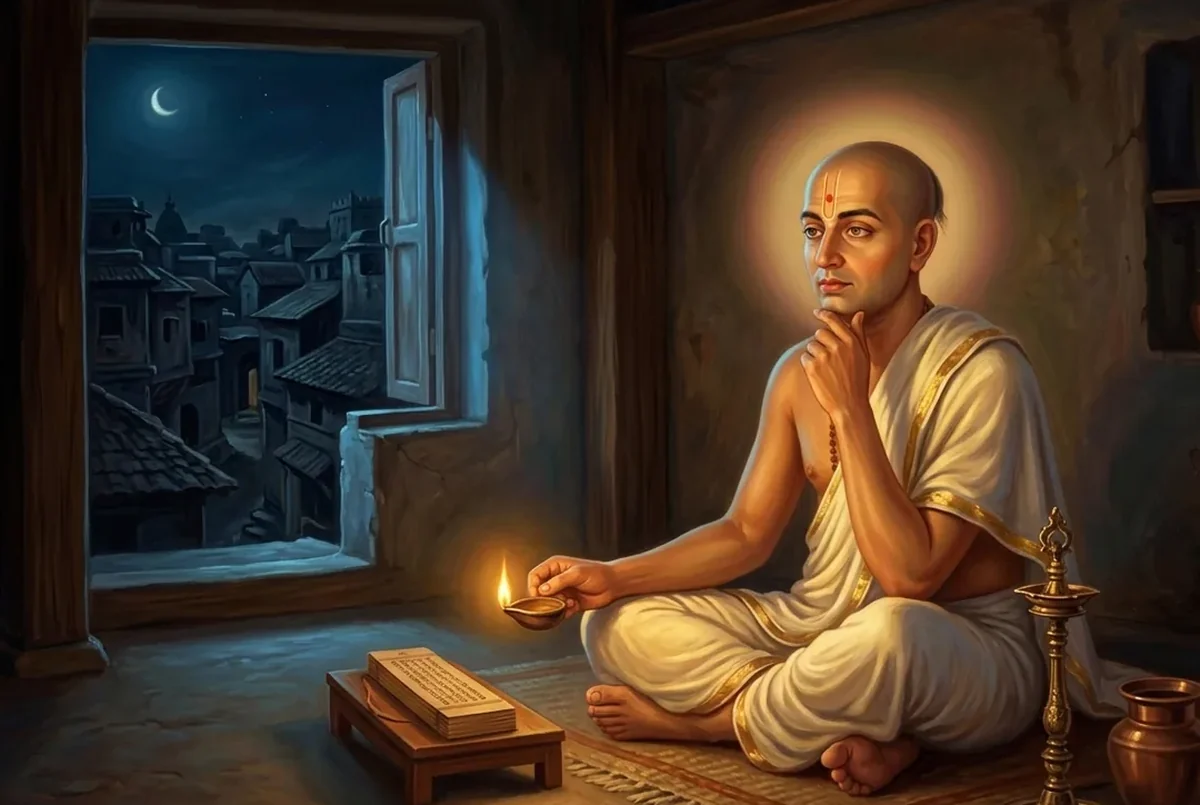
Tulsidas could not get the man out of his mind. Such longing, such patience, and with no expectation at all, does not come easily to an ordinary person. One evening, when the katha ended, he quietly followed him. The old man left the city and went towards the Assi, in among the trees.
At a lonely spot Tulsidas went ahead, took hold of his feet and said, do not hide from me; who but you could thirst like this to hear the name of Ram. After much pleading, Hanuman appeared in his own form. He asked what was wanted, and Tulsidas asked for nothing else, only for the darshan of Lord Ram.
Hanuman told him to go to Chitrakoot, where he would have that darshan. Tulsidas went and waited on the bank of the Mandakini. Devotional tradition says that one morning two princes came on horseback and asked him for sandal paste. Tulsidas ground the sandal and gave it, but did not recognise them. Just then a parrot spoke and gave him the hint, and only then did his eyes open. It is said that on that day the Lord himself put the tilak on Tulsidas's forehead with his own hand.
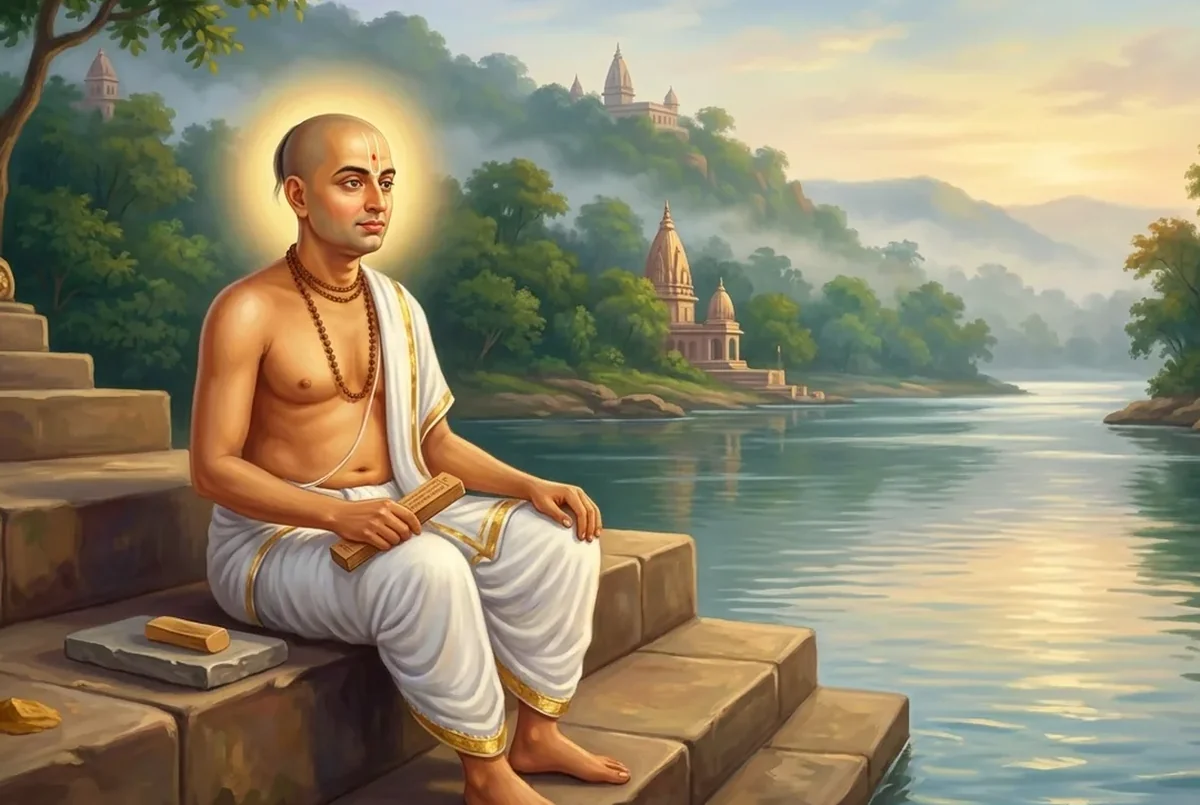
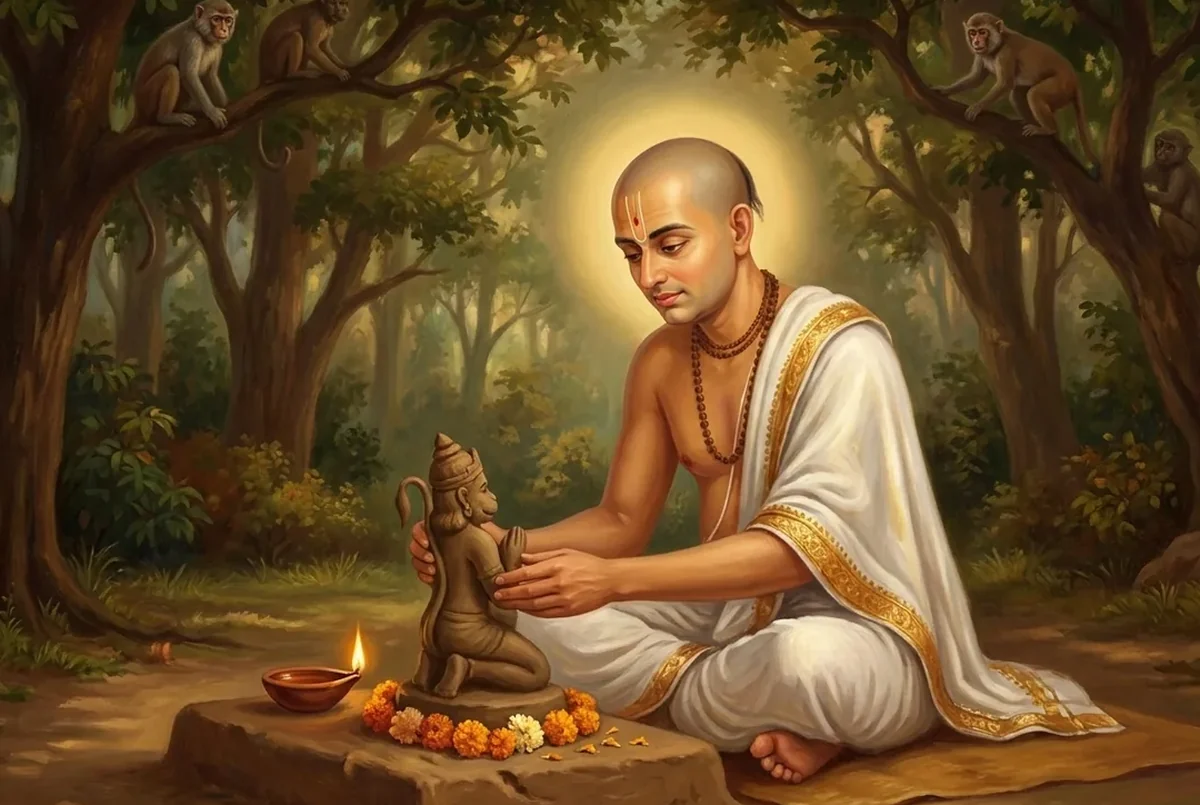
Returning to Kashi, Tulsidas went back to that wooded spot where Hanuman had appeared to him. There he made a simple image of clay, installed it and began daily worship. That place came to be called Sankat Mochan. Tradition also holds that it was in that courtyard that he composed the Hanuman Chalisa and wrote much of the Ramcharitmanas.
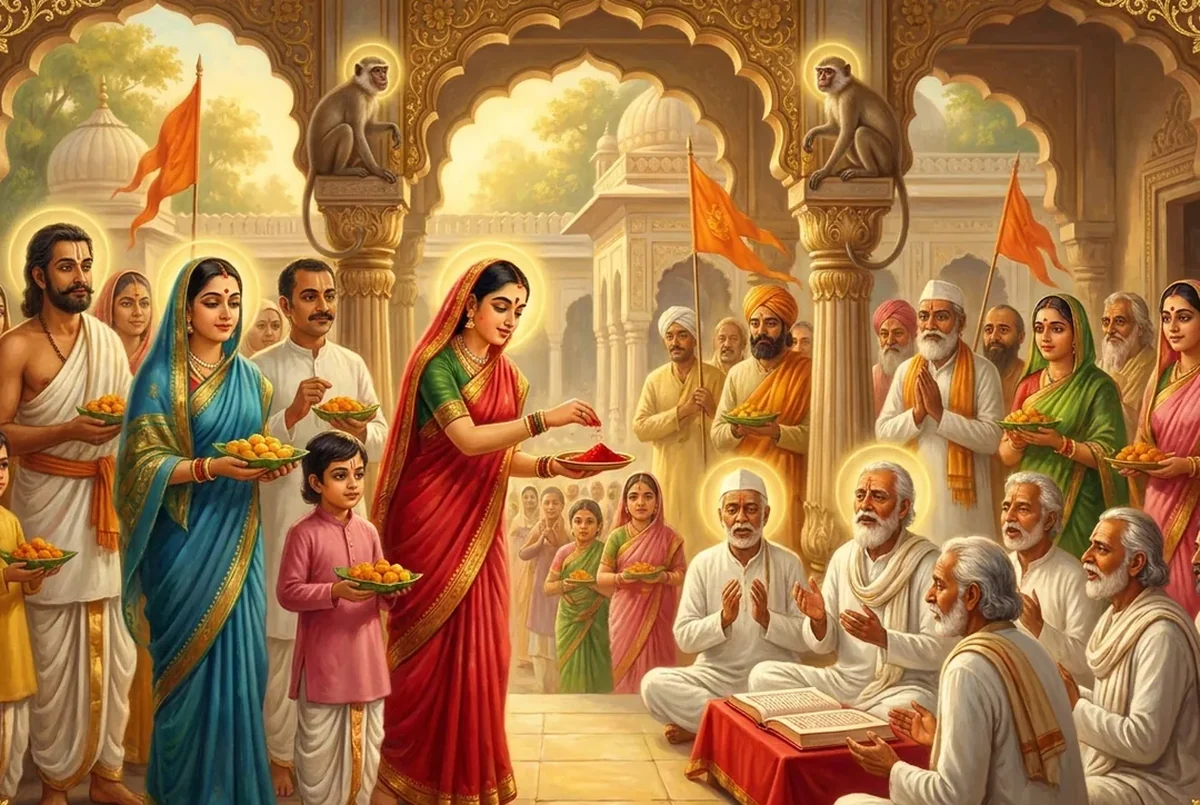
The way of the place is still as plain as it was. Tuesdays and Saturdays draw the largest crowds; besan laddoos are given as prasad, sindoor and chameli oil are offered, and the verses of the Sunderkand carry across the courtyard all day. On Hanuman Jayanti the whole city sings the Manas through the night, and every April a music festival is held here, where artists from all over the country offer their art before Hanuman until dawn.
The loveliest thing in this whole story is hidden right at its beginning. The Hanuman for whose darshan people now stand in queues for hours once sat at the back of a crowd, in a corner, listening to the story of Ram, telling no one who he was. The greatest one was found sitting furthest behind. Devotees say this is why he is called Sankat Mochan: only the one who never asked anything for himself is fit to carry the weight of others.
Source
Goswami Tulsidas and the founding of the Sankat Mochan temple are historical. The appearance of Hanuman in the guise of an ailing old man and the tilak episode at Chitrakoot are devotional traditions, coming from later works such as the Bhaktirasabodhini and from Kashi's temple tradition, not from any Purana. Accounts also differ over where exactly the Hanuman Chalisa and the Ramcharitmanas were composed.