
Salasar Balaji: The Balaji who rose from a field at Asota
Salasar, Churu, Rajasthan
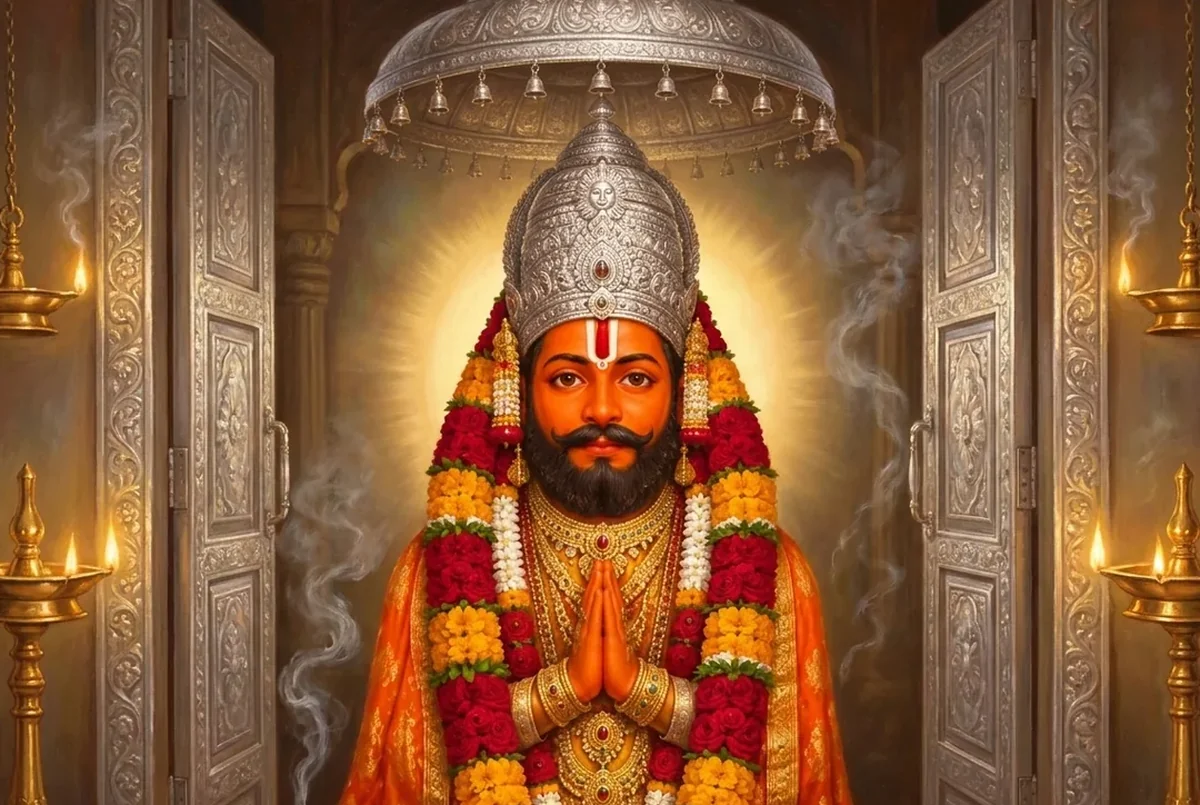
At Salasar Dham in Rajasthan's Churu district, Hanuman is worshipped as Balaji. His image here has a round face with a beard and moustache, which sets it apart from other Hanuman temples. According to temple tradition, the image came out of a field in Asota village in Nagaur district and reached Salasar through the devotion of the saint Mohandas.
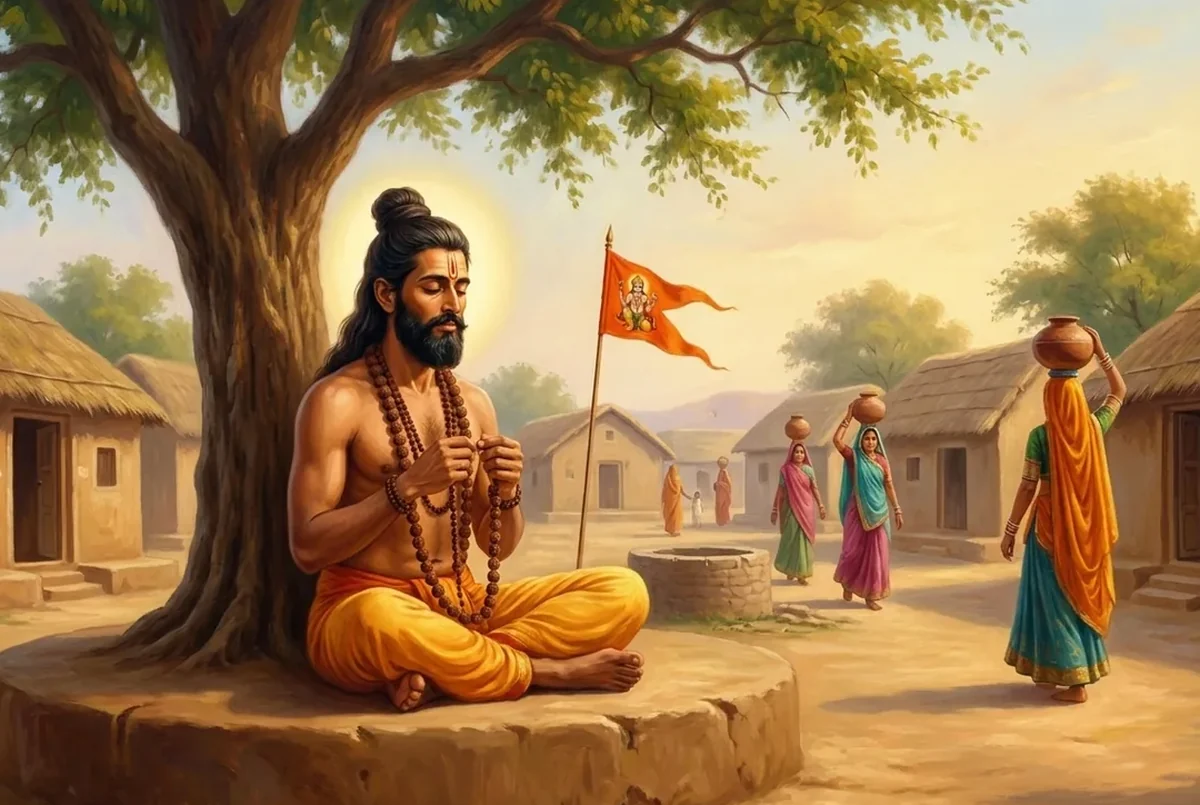
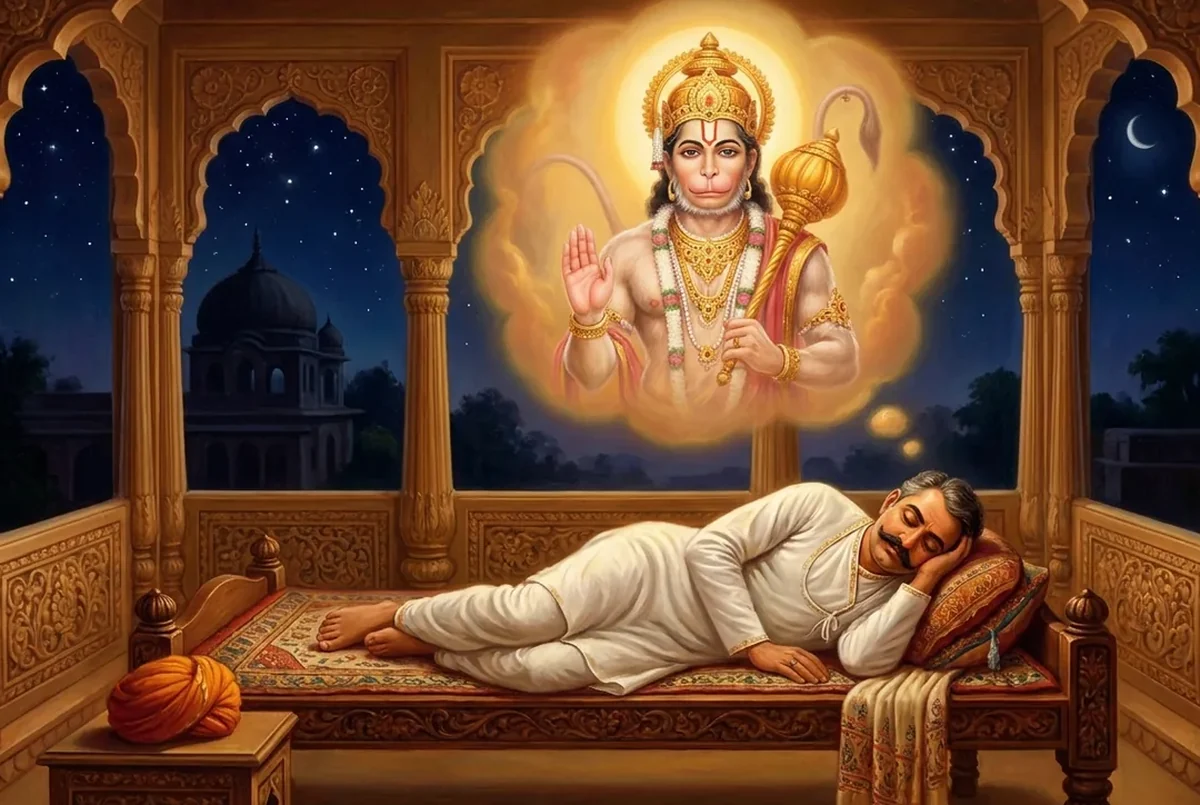
In the eighteenth century there lived in Salasar a devotee named Mohandas, whose heart had belonged to Hanuman since childhood. Staying away from worldly concerns, he chanted Balaji's name even as he worked in the fields. Tradition says that, pleased with his devotion, Balaji appeared to him several times, once as a sadhu with a beard and moustache. Mohandas had only one longing: that the Lord would make his home in Salasar.
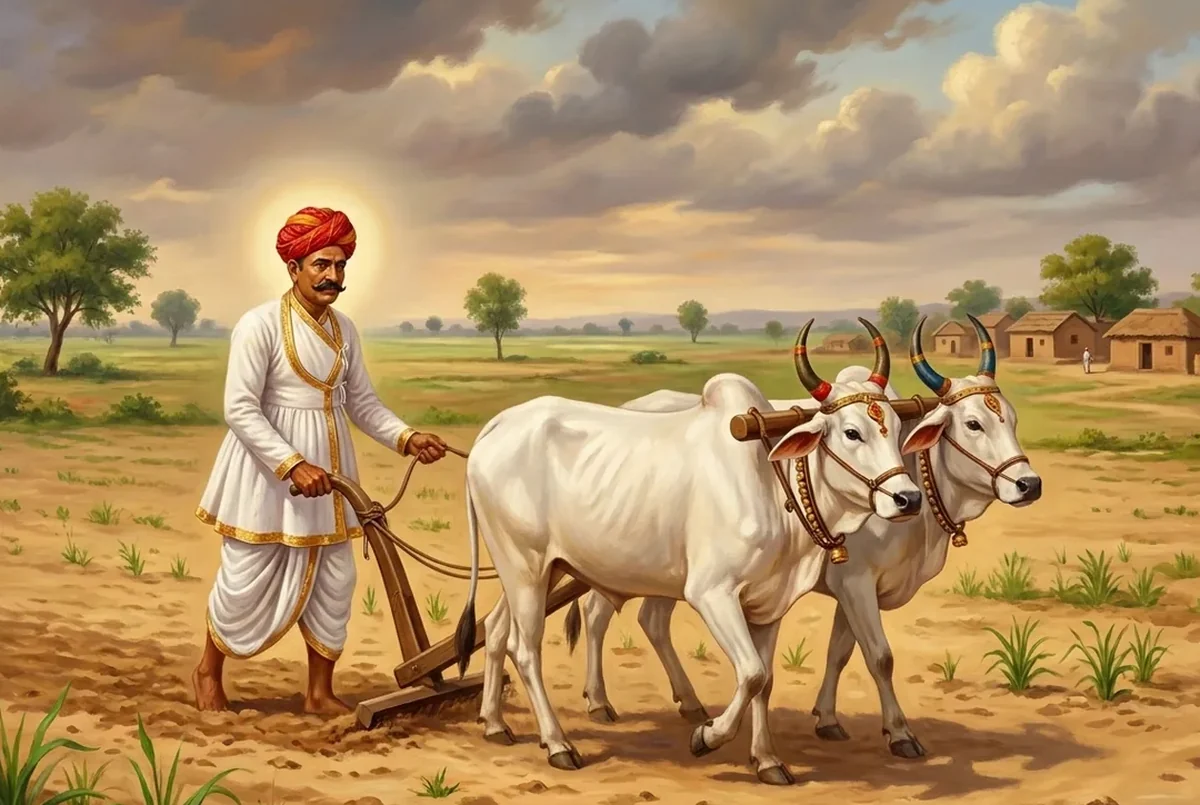
According to temple tradition, on Shravan Shukla Navami of Vikram Samvat 1811, a farmer in the village of Asota in Nagaur district was ploughing his field. Suddenly his plough struck something hard and stopped. When he cleared away the soil, a stone image emerged. Just then his wife arrived with his food. She wiped the soil from the image with her odhni and saw that it was an image of Balaji.
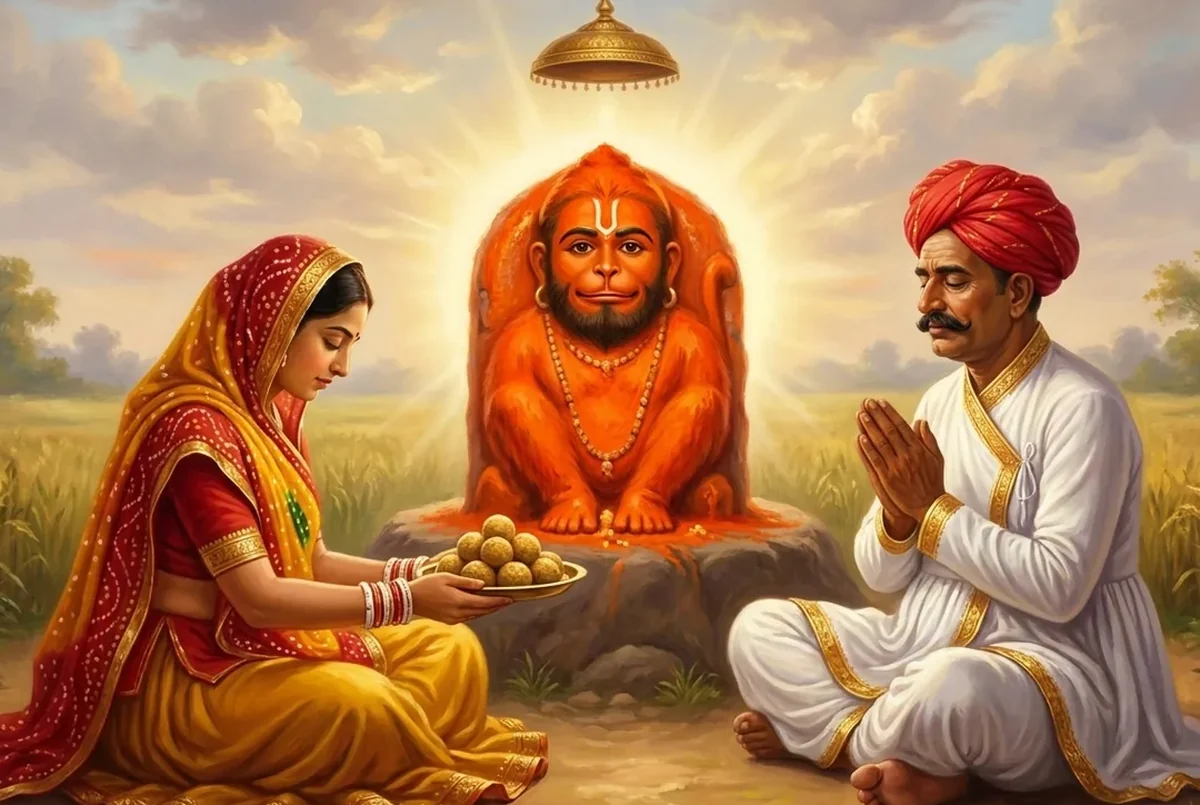
The farmer and his wife folded their hands in reverence. They had nothing else with them, so the wife offered Balaji the bajra churma she had brought, before anyone ate. That simple devotion was so accepted that to this day churma is held to be Salasar Balaji's favourite offering. News of the image spread through the village in no time, and people came crowding for darshan.
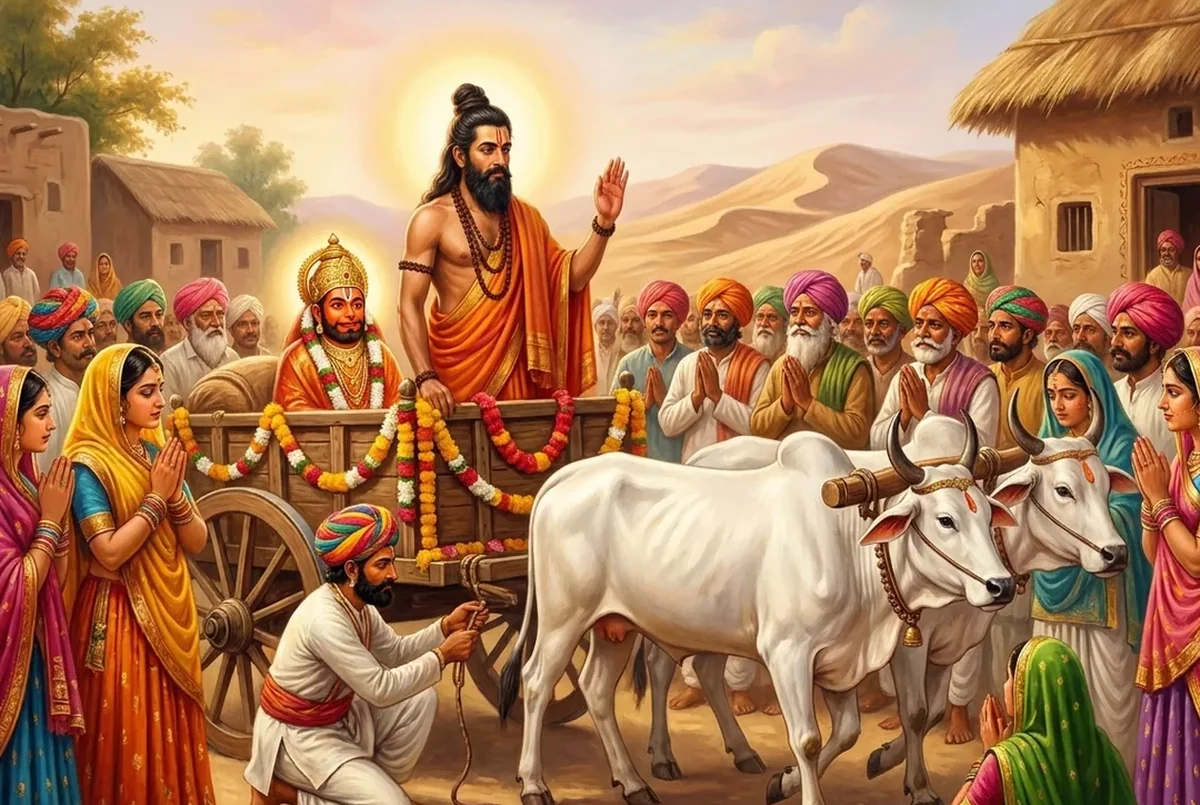
That night Balaji appeared in a dream to the Thakur of Asota and told him, take me to Salasar, my devotee is waiting for me there. The same night, in Salasar, Balaji told Mohandas in a dream that his image had appeared at Asota. In the morning the Thakur told the villagers everything, placed the image on a bullock cart with great respect and sent it off to Salasar. The villagers walked alongside singing kirtan.
It is said that when the cart reached Salasar, Mohandas asked that the bullocks be set free: wherever they stopped of their own accord, there Balaji would stay. The bullocks came to rest at one spot, and the image was installed on that spot, where Salasar Dham stands today. Devotees believe the image is adorned with a beard and moustache in memory of the form in which Balaji appeared to Mohandas. A few years later the first temple was built there.
Mohandas gave his whole life to Balaji's service. His samadhi is in the temple complex, and devotees believe the sacred fire he lit still burns. Today pilgrims tie coconuts with red thread for their wishes, and great fairs are held on the full moons of Chaitra and Ashwin. The story shows that a farmer's wife's simple churma is as dear to God as a saint's years of devotion.
Source
The image rising from the field at Asota, the two dreams and the bullock cart are the temple tradition of Salasar Dham and the folk belief of Rajasthan; the date in Samvat 1811 is given by temple tradition, though accounts differ on the weekday, and several versions of the story are told.