
Kashi Vishwanath: Avimukta: why Shiva never leaves Kashi
Varanasi (Kashi), Uttar Pradesh
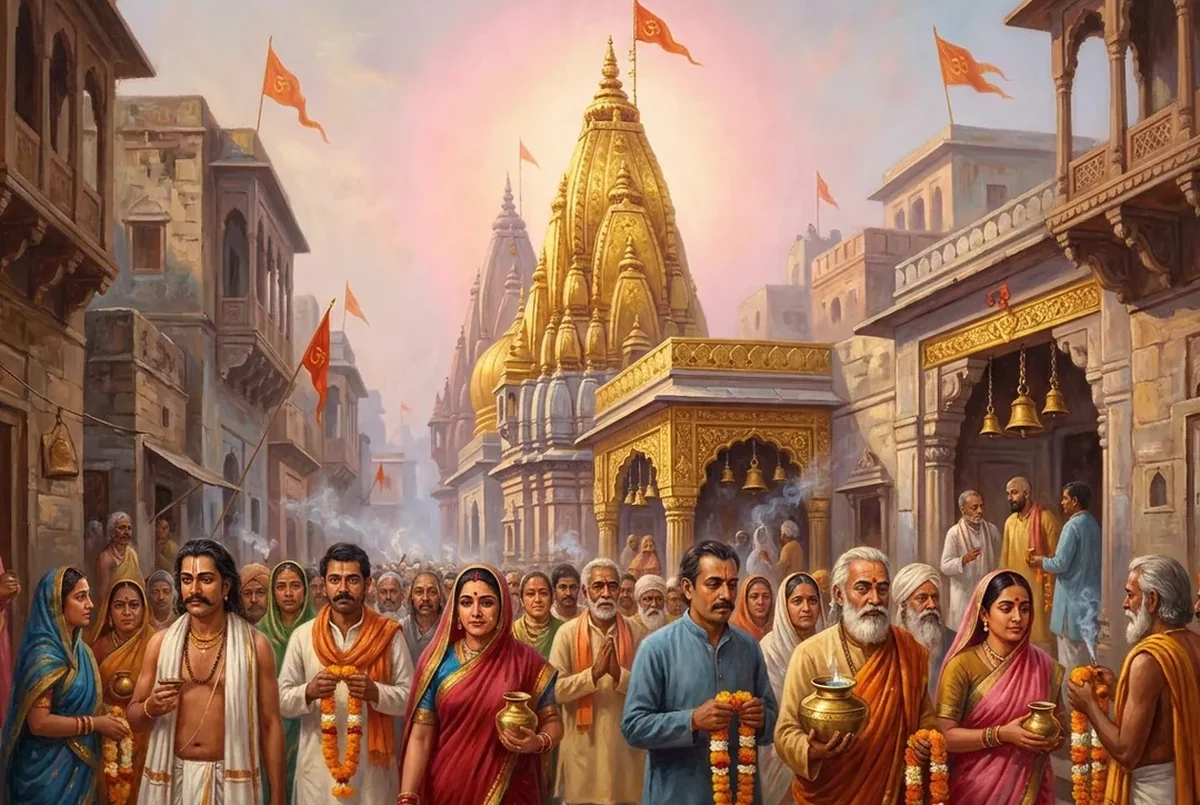
At the Kashi Vishwanath temple in Varanasi, Lord Shiva is worshipped as the Vishweshwar Jyotirlinga, one of the twelve Jyotirlingas. The Puranas call Kashi Avimukta, the place that Shiva and Parvati never leave. Devotees believe that Shiva himself grants liberation to those who leave their bodies here, whispering the Taraka mantra.
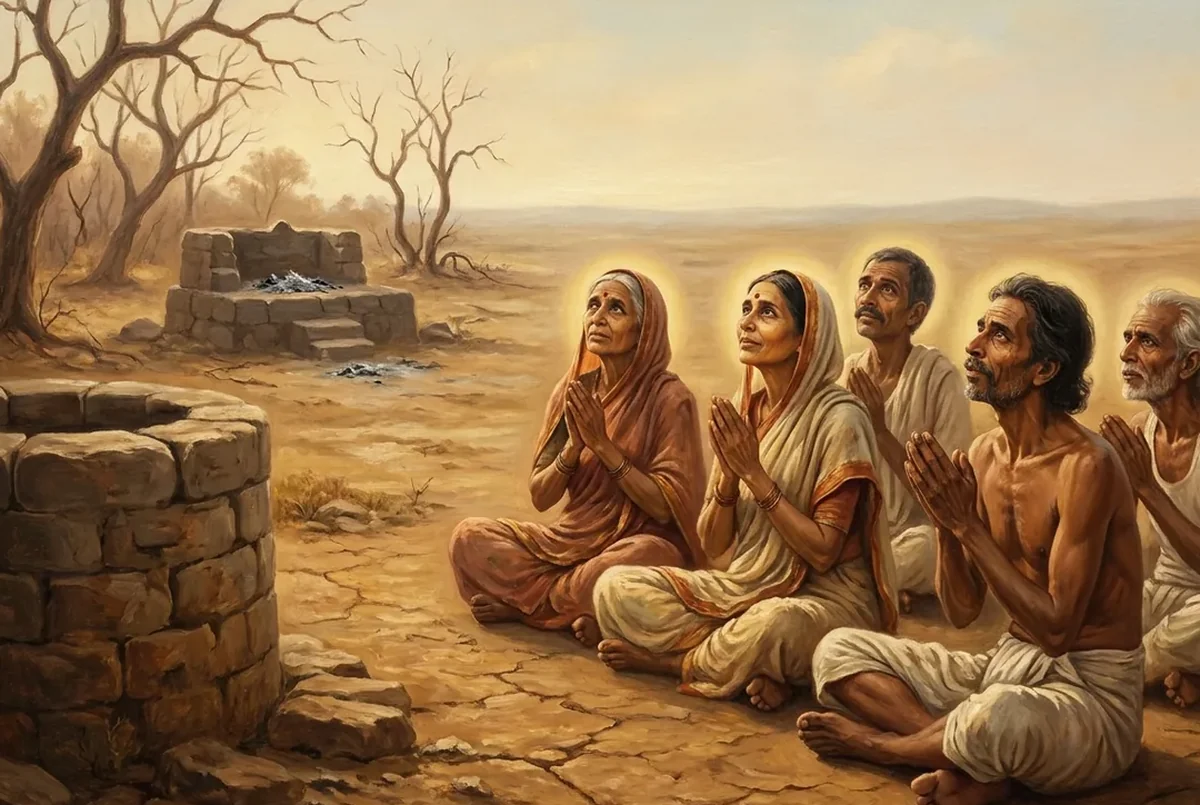
The Kashi Khanda of the Skanda Purana tells that long ago a terrible, lasting famine struck the earth. People were starving and the rites of dharma had stopped. Brahma found a righteous king and ascetic named Ripunjaya and asked him to rule the earth from Kashi. Ripunjaya set one condition: during his reign the gods must stay in their own realms and not interfere on earth, so that people could live by their own effort and dharma. Brahma agreed and gave him the name Divodasa.
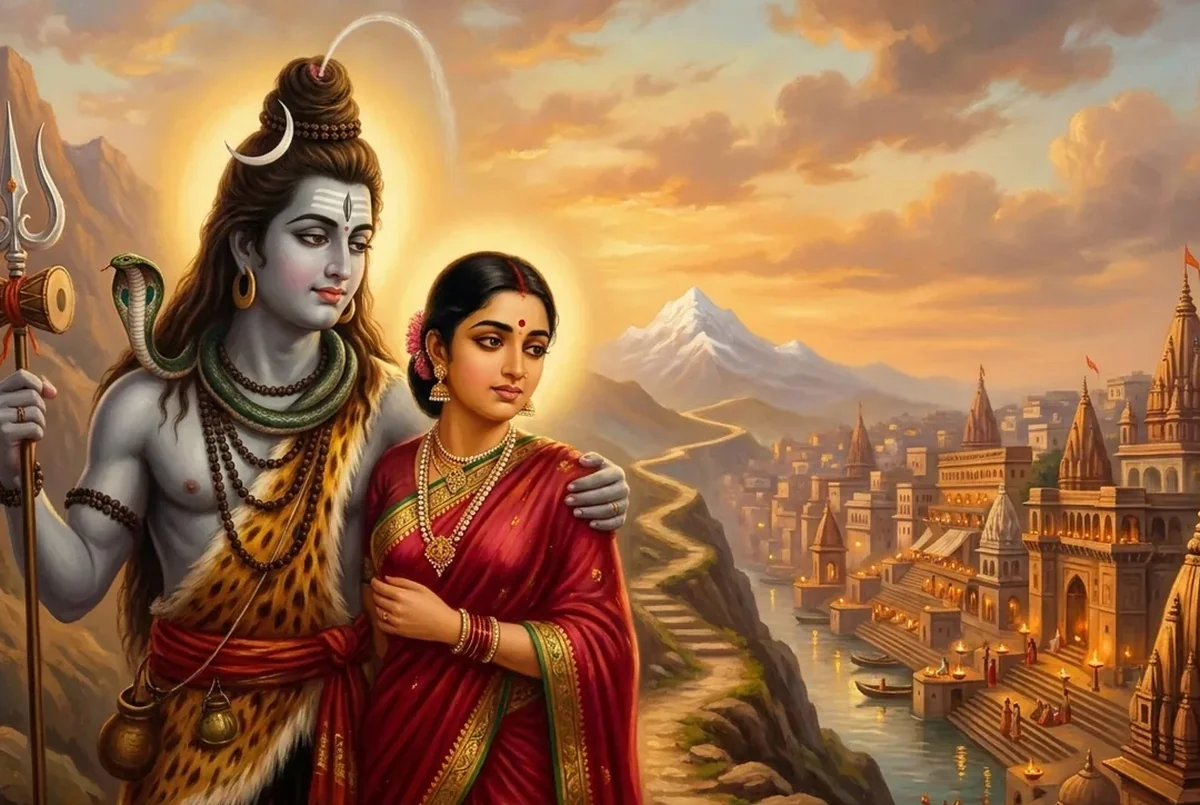
But Kashi was Shiva's own home. For the good of the world, Shiva too accepted the condition and went with Parvati to Mount Mandara. As he left, he kept his presence in Kashi in a linga, known as Avimukteshwar. Divodasa ruled so justly that no one in Kashi was unhappy or unrighteous. The rains came on time and the people prospered.
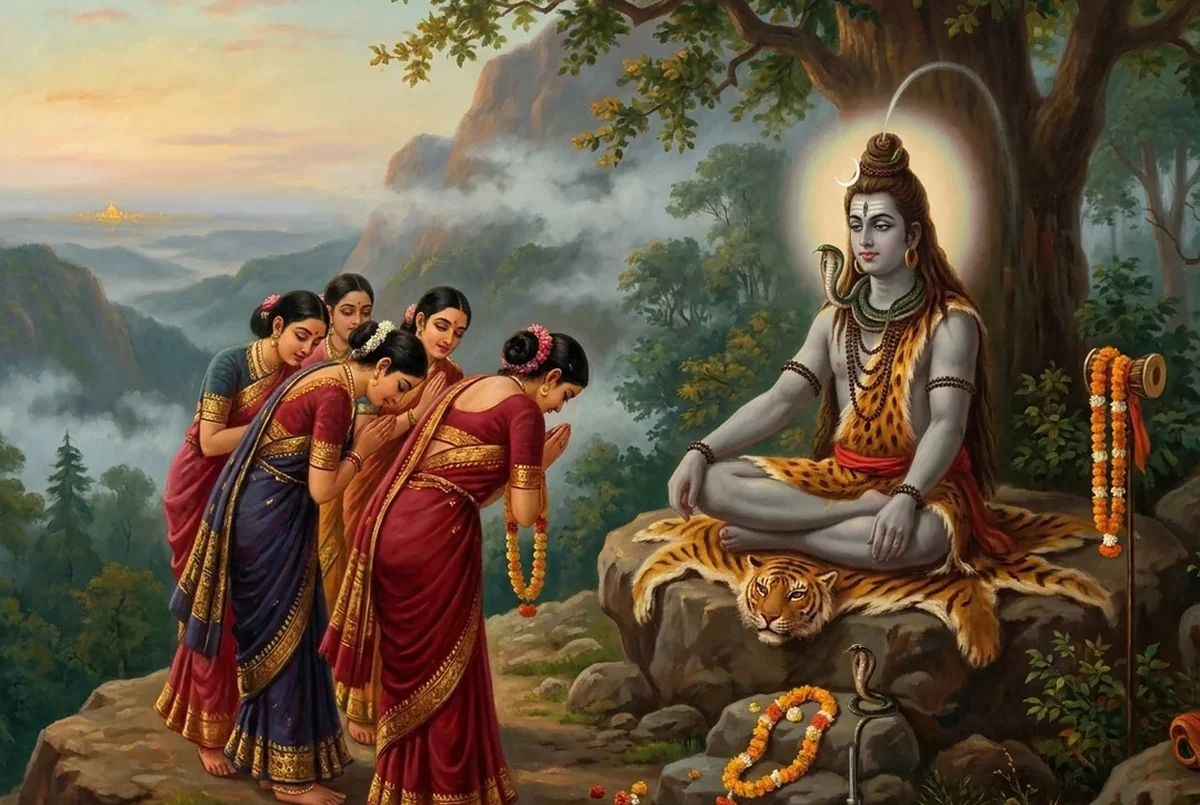
On Mount Mandara, Shiva could find no peace away from Kashi. He sent the yoginis to find some fault in the king's rule, so that his right to rule would end. The yoginis wandered Kashi in many disguises but found no fault, and they were so enchanted by the city that they stayed. Then the Sun god went. He too found no fault and, out of love for Kashi, remained there. Brahma himself came, performed ten ashvamedha sacrifices with the king's help, so that the ghat came to be called Dashashwamedh, and he too settled there.
Next Shiva sent his ganas, and then Ganesha. Ganesha came to Kashi as an astrologer, won everyone's heart and gently turned the king's mind towards detachment. He too stayed on in Kashi as Dhundhiraj Vinayak. At last Lord Vishnu met the king in the form of a wise teacher. Divodasa was already weary of ruling; he understood that nearness to Shiva was greater than any kingdom.
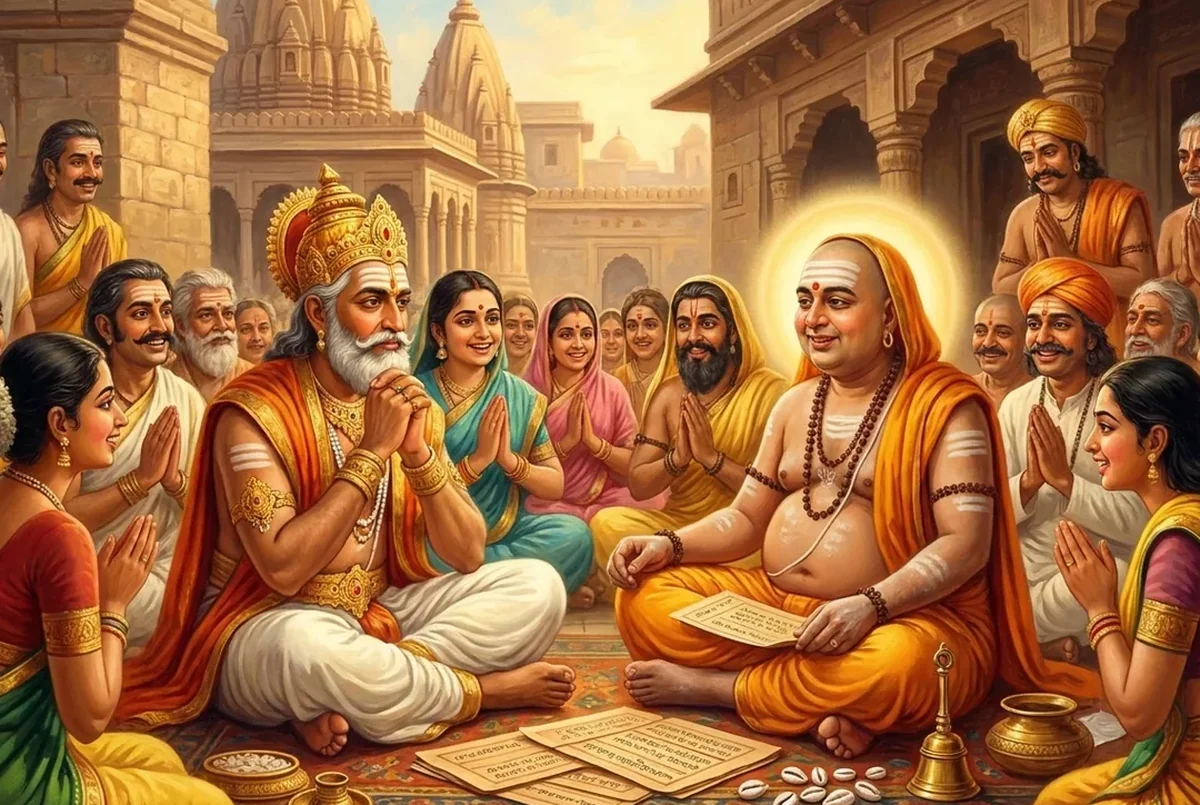
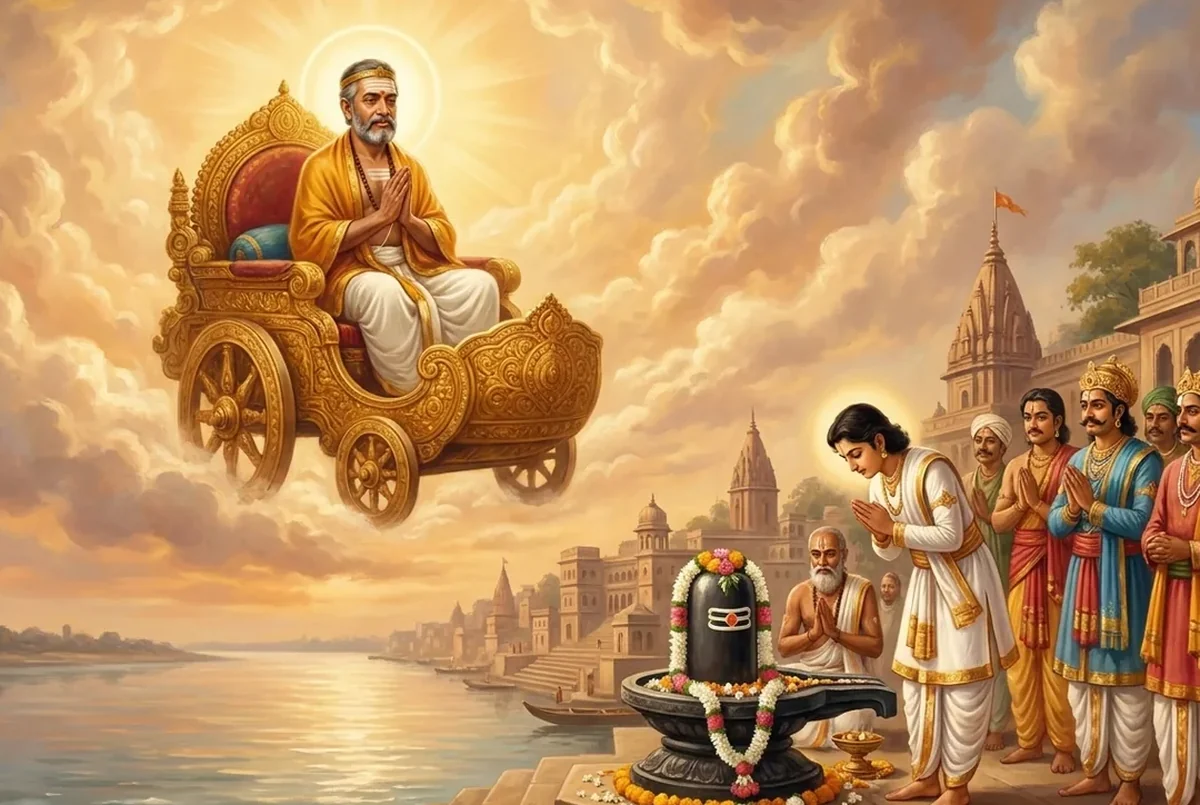
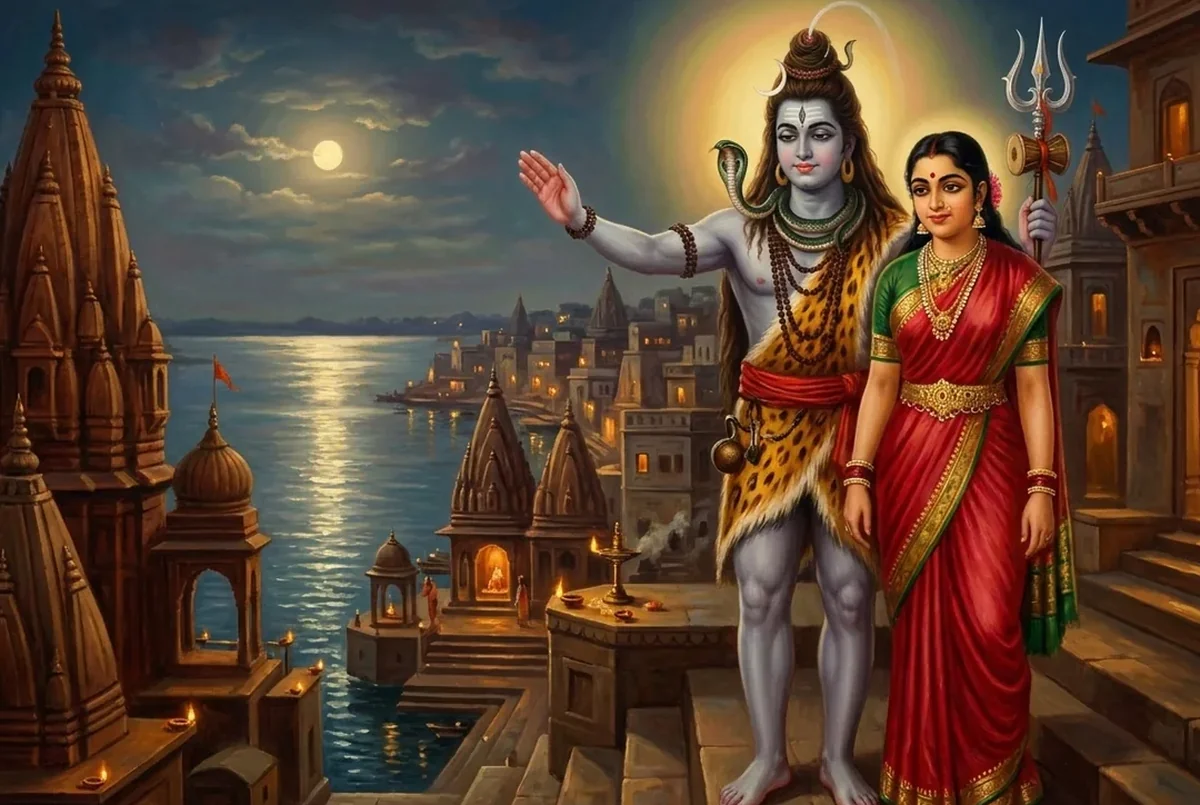
Divodasa installed a Shivling in Kashi, handed his kingdom to his son and, as the story tells, rose to Shiva's realm in a divine chariot. The condition was fulfilled. Then Shiva returned to Kashi with Parvati and all the gods. The whole city rang with conches, bells and cries of Har Har Mahadev, and lamps glowed along the Ganga.
On his return Shiva said, now I will never leave this city again. That is why Kashi is called Avimukta, the place Shiva never let go of and never abandoned. Devotees believe Kashi rests on Shiva's trident and is not destroyed even at the end of an age, and that at Manikarnika Ghat Shiva himself speaks the Taraka mantra into the ear of one who leaves the body.
Even today pilgrims to Kashi bathe in the Ganga and take darshan of Vishwanath, and many also bow to Kaal Bhairav, called the guardian of Kashi, and to Dhundhiraj Ganesha. The story shows how dear his home and his devotees are to God himself. May Baba Vishwanath show everyone the way to peace and liberation.
Source
The story of Divodasa and of Shiva leaving and returning to Kashi is in the Kashi Khanda of the Skanda Purana, told here in brief; Kashi is called Avimukta in many places in the Puranas; Kashi resting on the trident and the Taraka mantra are devotional beliefs.