
Brihaspativar Vrat Katha
Brihaspativar Vrat (Guruvar Vrat)
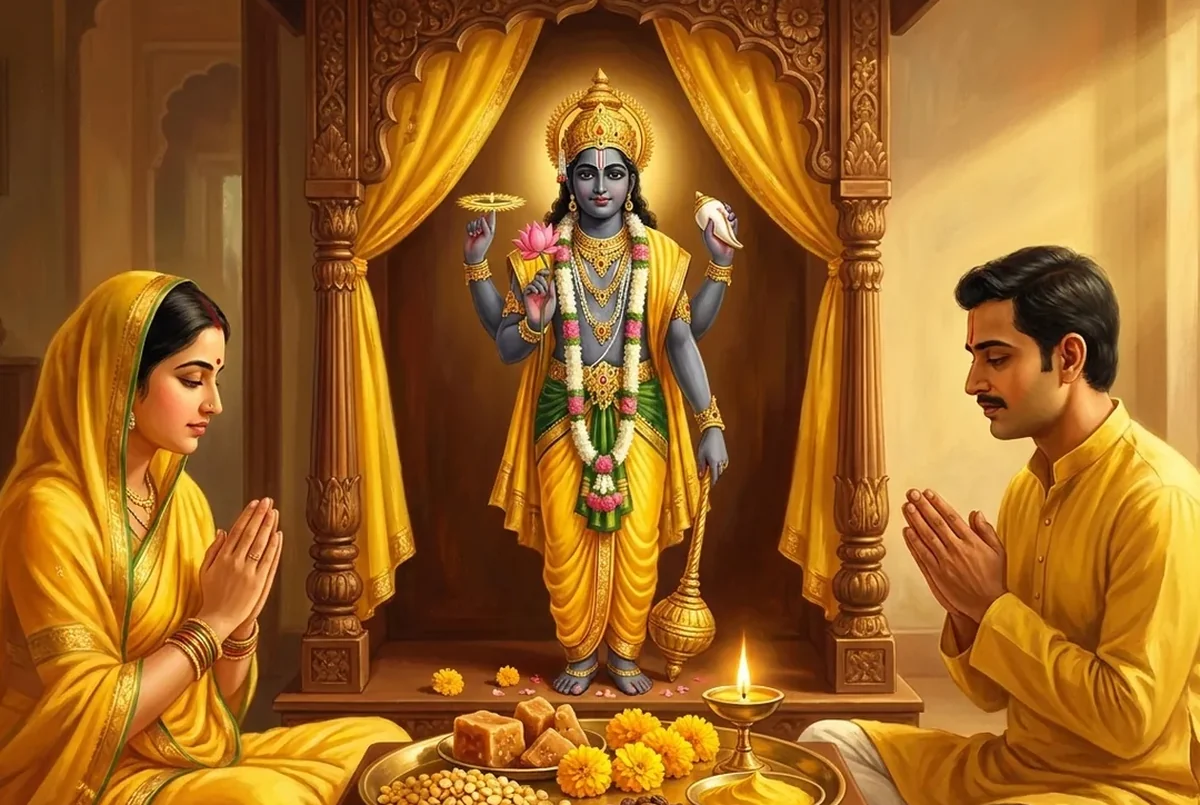
Why is this day celebrated?
Thursday is the day of Brihaspati, the guru of the gods, and by tradition Lord Vishnu is worshipped on it. The colour of the day is yellow, so yellow clothes are worn and chana dal, jaggery or raisins, yellow flowers and yellow sandalwood are offered. The puja is done at the root of a banana tree or before Vishnu. Many keep the vrat for sixteen Thursdays and do the udyapan on the seventeenth.
The katha
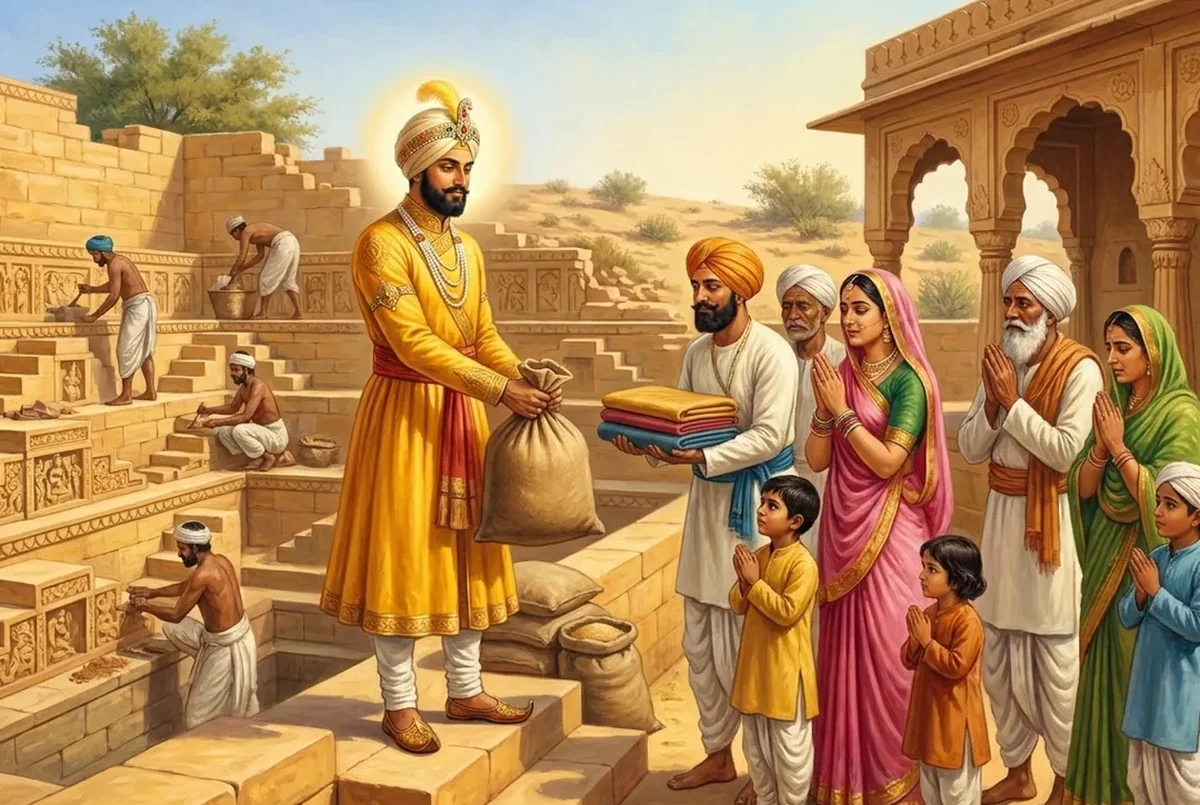
The katha says that there was once a mighty king. He gave generously, kept the Thursday vrat, helped those in need, and had wells, step-wells and rest houses built. Inside the palace, though, this giving was spoken of differently. The treasurer, the storekeeper and the elders of the household all said the same thing, that so much giving away was waste and that the house would shrink by it. Hearing this day after day, the queen came to believe it too, and slowly the palace's giving hand began to close.
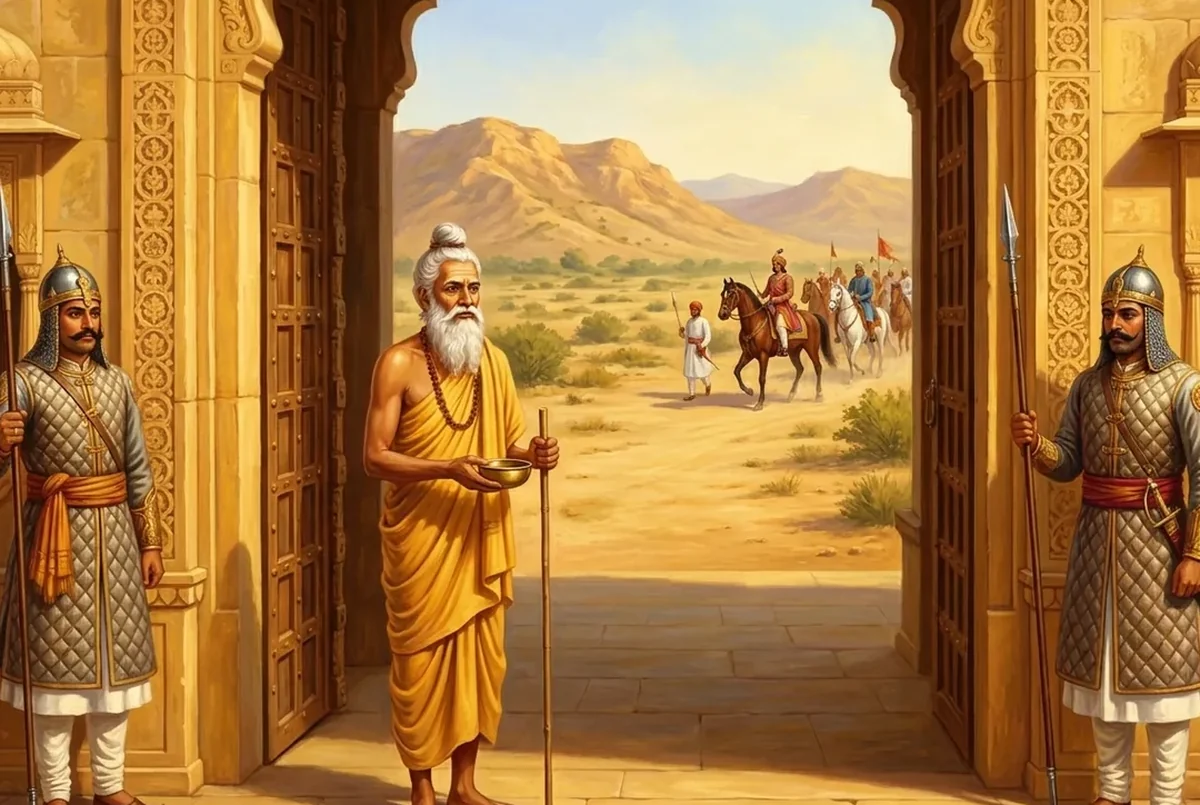
One day the king had gone hunting in the forest. Just then Brihaspati, the guru of the gods, came to the palace gate in the guise of a plain sadhu, asking for alms. The queen looked towards the storekeeper and he waved the man off. She gave nothing, and said wearily, I am sick of this wealth; let all of it go, so that no one comes asking and there is no daily account of charity. The sadhu explained that wealth comes to a person so that the hungry get bread, the thirsty get water, and no one in need is left waiting.
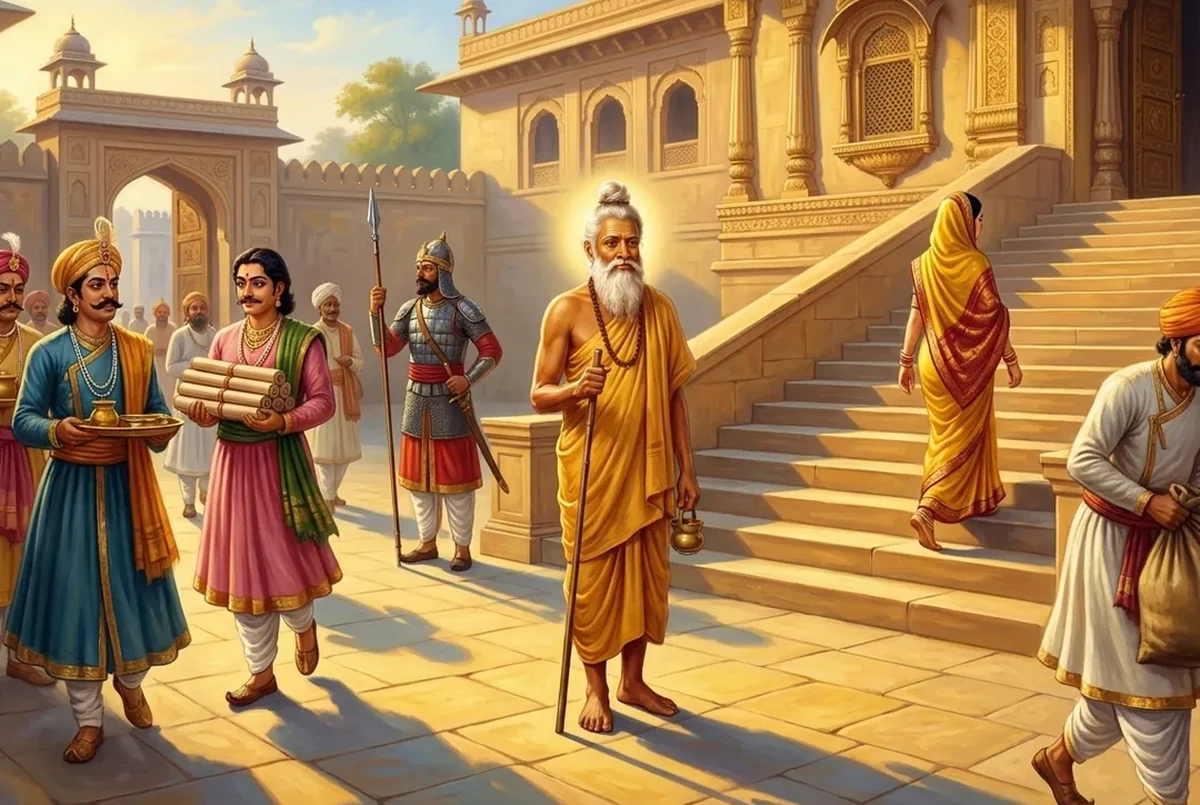
Nobody in the palace listened to that counsel, and nobody checked the queen either. The sadhu paused and said, a house that stops giving finds that things stop coming to it as well; this is no one's curse, it is the house's own account. The day you understand this, bind yourself to the Thursday vrat. With that he went his way. The king too stayed caught up in his hunting and his court, and did not see this happening in his own house in time. They say that within a few months the treasury was empty, the fields dried up, and the kingdom slipped out of their hands.
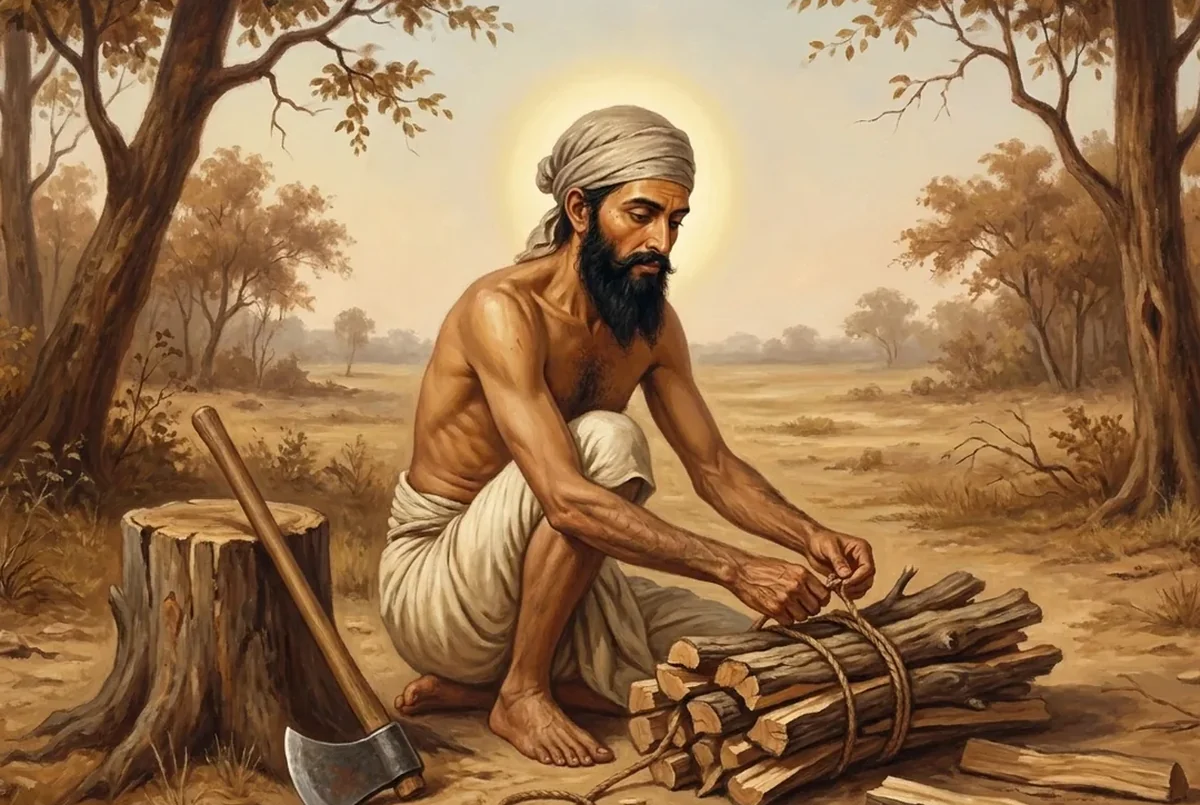
The king went away to another country and lived there cutting wood. The queen and one old maid were left behind, and both had to pass hungry days. In that hard time the old hardness the palace had carried slowly melted away. One day the maid went to the house of the queen's sister to ask for a little grain. The Thursday katha was being read there, and it is not the custom to speak in the middle of a katha, so no one answered her. The maid felt slighted and came back.
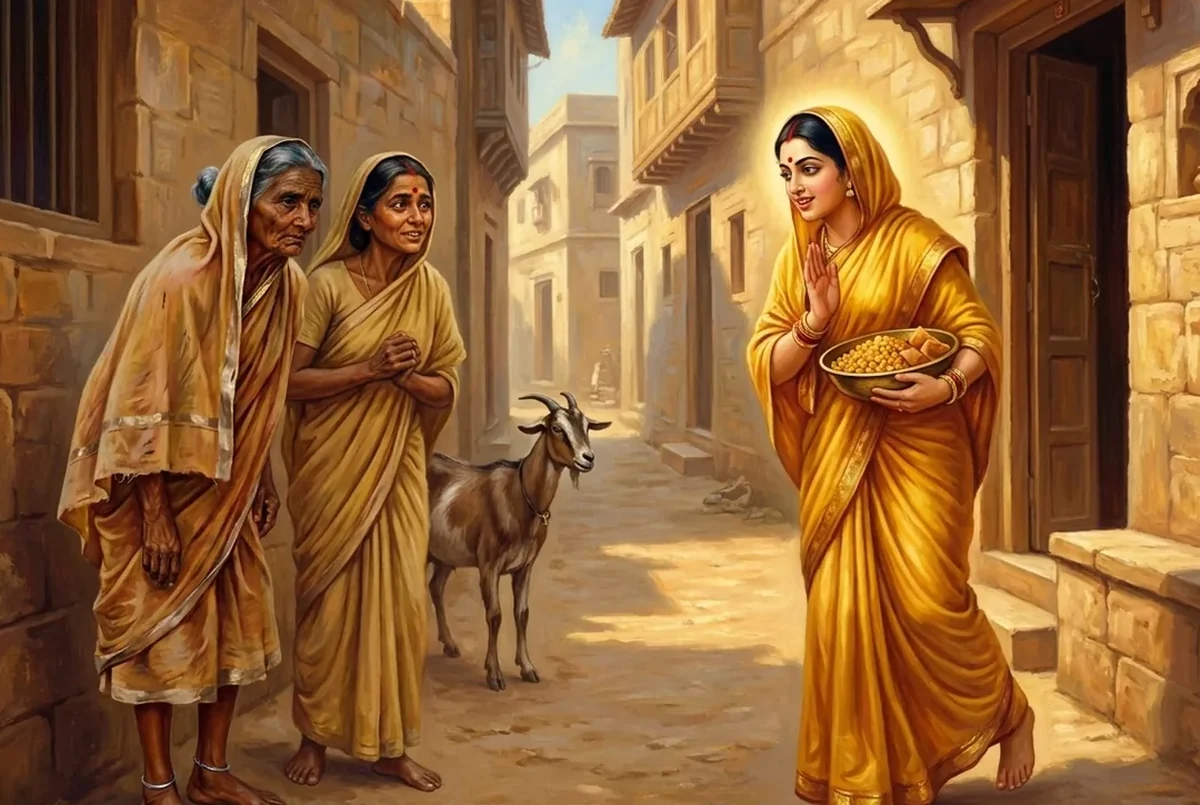
When the katha was over the sister came running, folded her hands and said it had been no slight, and then told them both how the Thursday vrat is kept. The next Thursday the queen and the maid took a little chana and jaggery from the stable, worshipped the root of the banana tree and Lord Vishnu, heard the katha and kept the fast. Grain began to come into the house. The queen who had once kept her fist closed now ate only after giving to others. That was the real change in her.
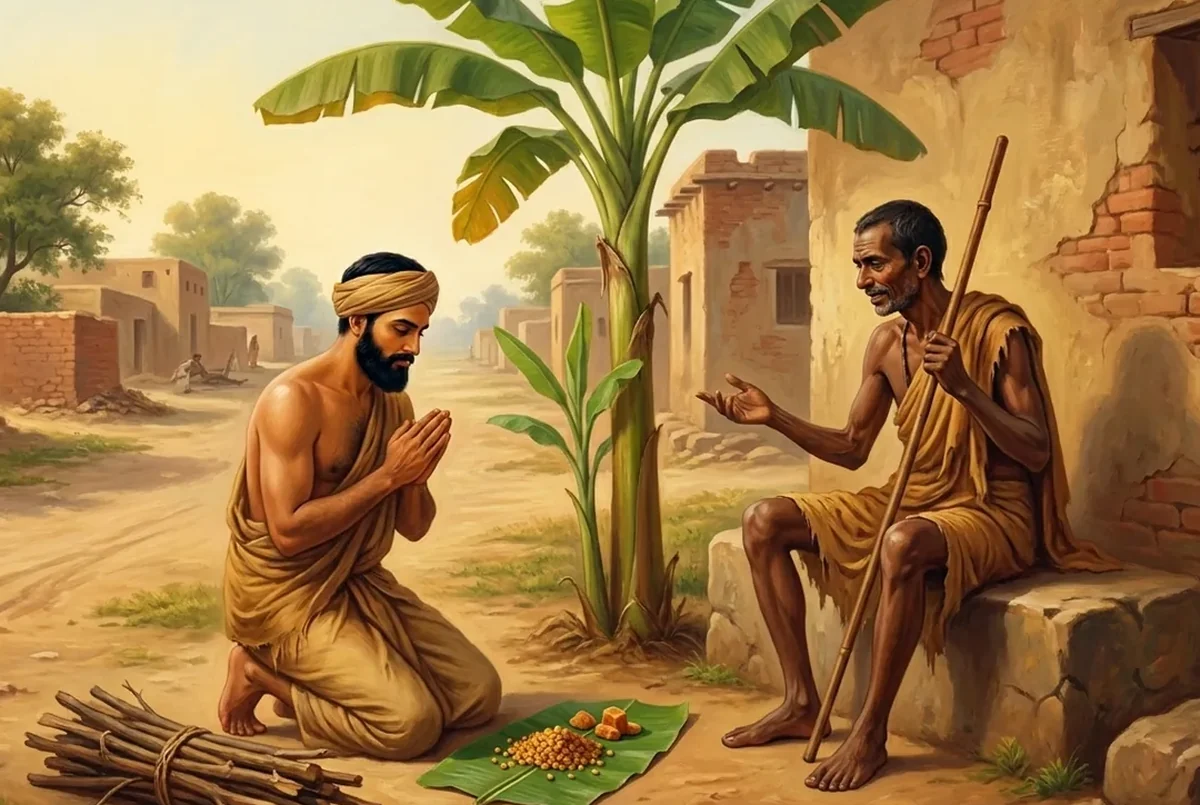
In the far country a sadhu told the king about the same vrat. He too bound himself to the Thursday fast and the katha. His work began to go well, and in time he returned to his own land. The old kingdom came back to him, but now the king and the queen stood on the same side. They opened kitchens for the poor, had wells dug, and never let go of the Thursday vrat for the rest of their lives.
The lesson of this katha is larger than a scolding about stinginess. It says that wealth is in itself neither good nor bad; it takes on the nature of the hand that holds it, and in a house with no habit of giving, contentment does not stay either. The katha says that whoever keeps the Thursday vrat with faith, hears this story and gives as much as they can afford, keeps happiness and contentment in their home. May Brihaspati and Lord Vishnu give everyone good sense.
How it is observed
- On Thursday one bathes in the morning, wears yellow and takes the sankalp of the vrat; many begin on a Thursday of the Shukla paksha and keep it for sixteen Thursdays.
- Water is poured at the root of a banana tree, or one sits before Lord Vishnu, and chana dal, jaggery or raisins, yellow flowers, yellow sandalwood and turmeric are offered.
- After the puja this vrat katha is heard, then the Vishnu aarti is done, and after that one meal of yellow food is taken, such as chana dal, besan dishes or yellow khichdi; many homes keep this meal without salt.
- In many families it is the custom not to wash the hair or clothes on this day; this is a household tradition, kept where it has come down.
- The udyapan is done on the seventeenth Thursday, with yellow food cooked and shared as prasad, and chana, jaggery, turmeric, yellow cloth and grain given in charity.
- Those who cannot keep a full fast should keep it on fruit or with one meal, as their health allows.
Source
That Brihaspati is the guru of the gods comes from the Puranas, but this story of the king and queen is not a chapter of any Purana; it is a katha current in the vrat-katha tradition, carried by vrat-katha booklets and by word of mouth in homes. It is told in several versions; some list out the things the sadhu told the queen to do, which have deliberately not been repeated here.