
Somvar Vrat Katha
Somvar Vrat (Solah Somvar)
Why is this day celebrated?
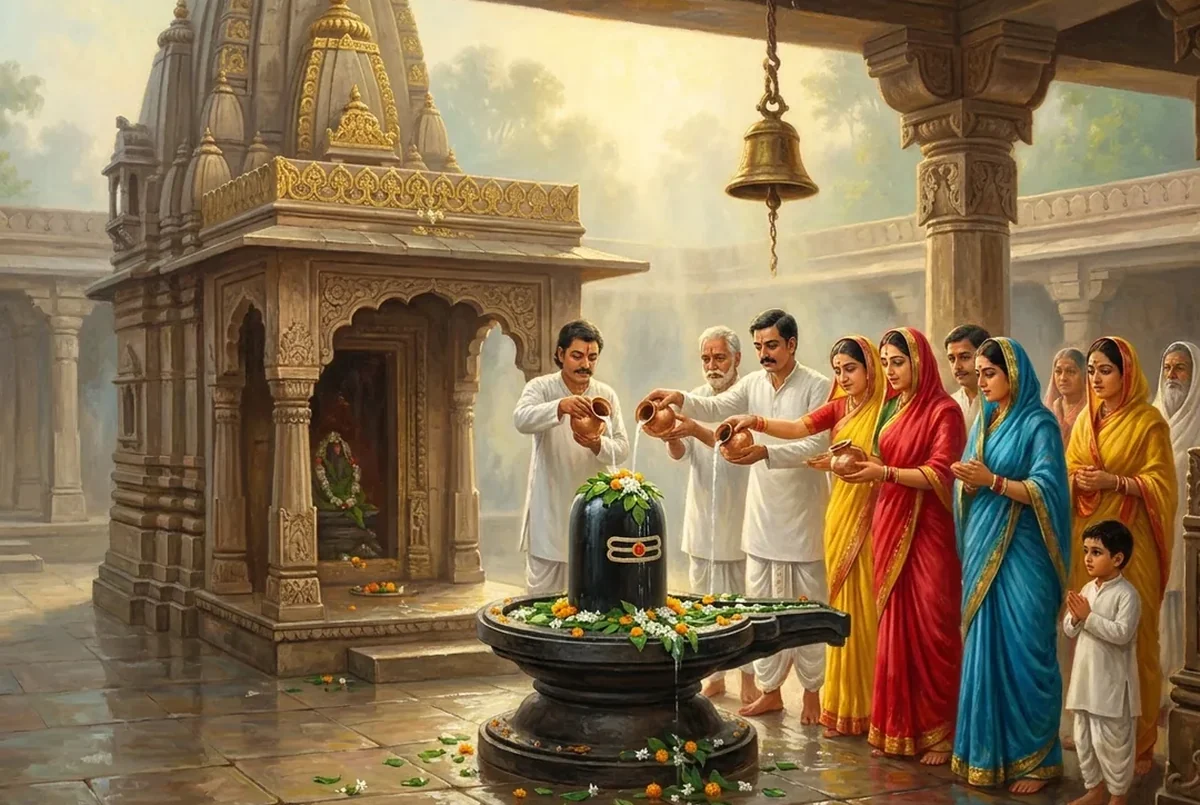
Monday is held to be Lord Shiva's day, and devotees fast and pour water on the Shivling. The Solah Somvar vrat runs for sixteen Mondays one after another, with the udyapan on the seventeenth Monday. Unmarried girls keep it for a good husband, and families for peace at home and for a wish they are holding. This katha is heard after the puja on every one of those Mondays.
The katha
It is said that Lord Shiva once came with Parvati to the city of Amravati. The king there had built a beautiful Shiva temple, and the two of them stayed in it. One day Parvati said with a smile, Lord, let us play chausar today. The game began. Just then the temple priest came in for the puja. Parvati asked him, tell us, who will win this game? Without thinking, the priest said, Mahadev will win.
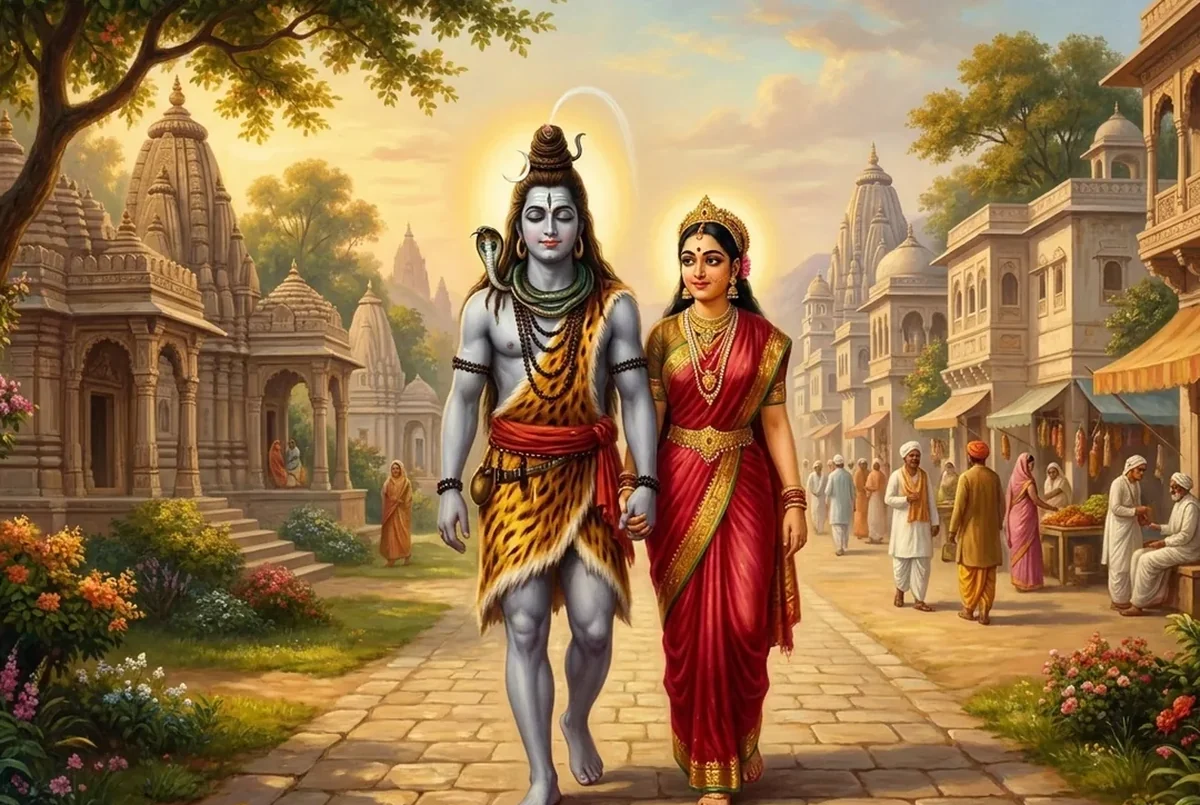
When the game ended, it was Parvati who had won. What the priest had said without knowing turned out to be untrue. It did not please Parvati that a temple priest should speak for one side without knowing, and the priest himself was so ashamed of it that he could not meet anyone's eye. In that same season illness closed over his body and his spirit broke. He went on serving the temple, but he was hollow inside. He said nothing to anyone; he only sat before Shiva and wept.
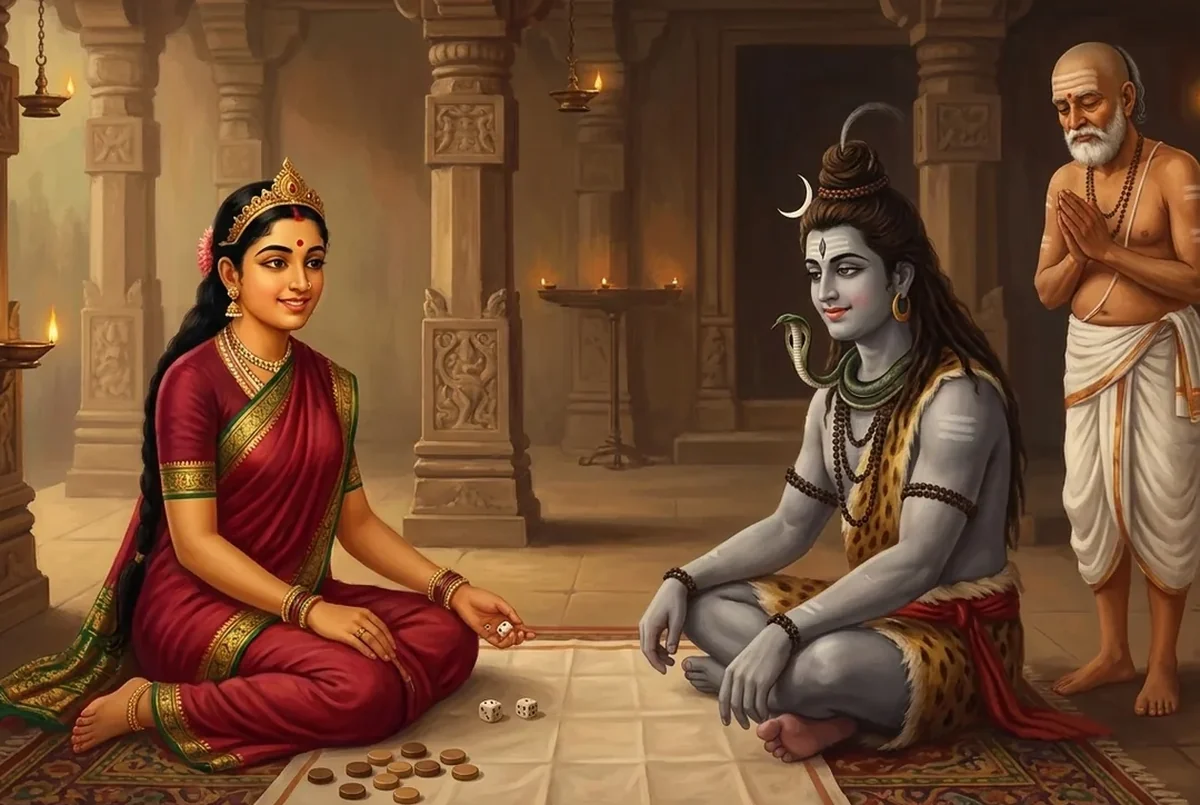
Some time later a few apsaras came to worship in that temple. They saw the priest's condition and asked the reason. He told them everything. Do not lose heart, they said, keep the sixteen Monday vrat. Fast each Monday, worship Shiva in the evening, make churma from half a seer of wheat flour with ghee and jaggery, and divide it into three parts, one for Shiva, one for the cow and one for yourself. The priest did exactly this.
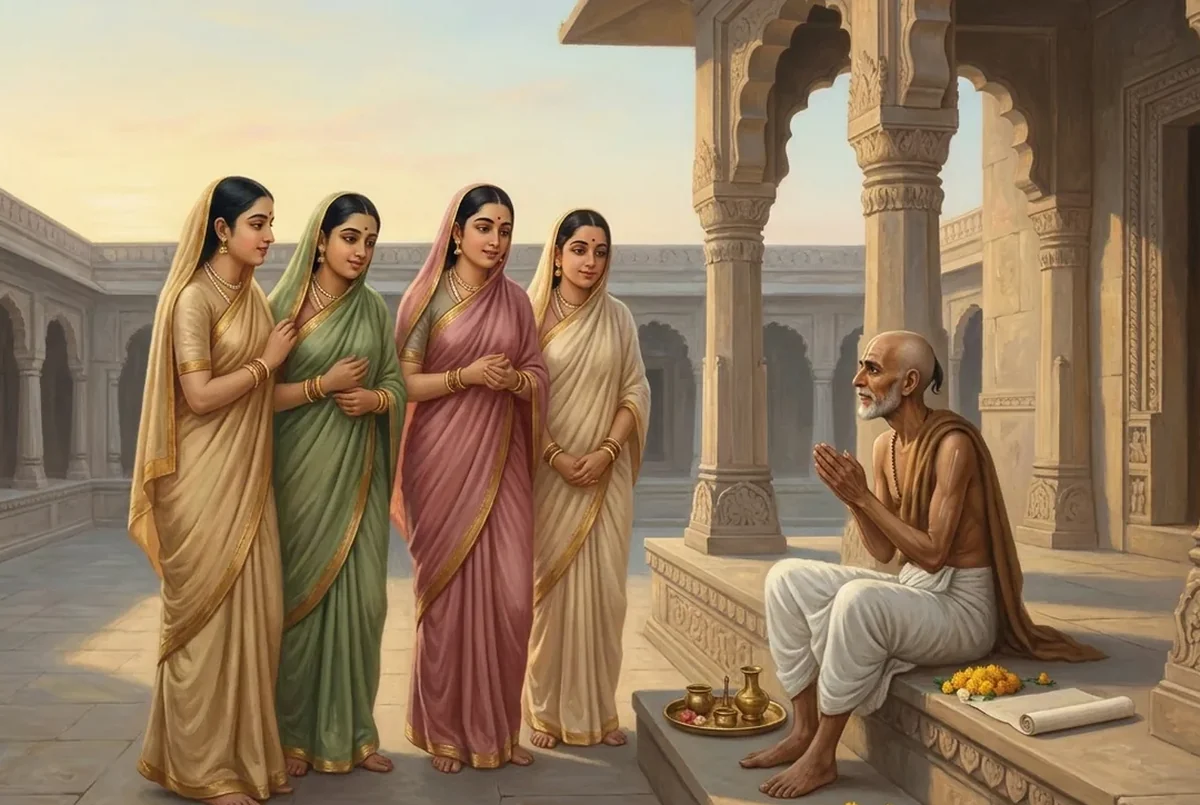
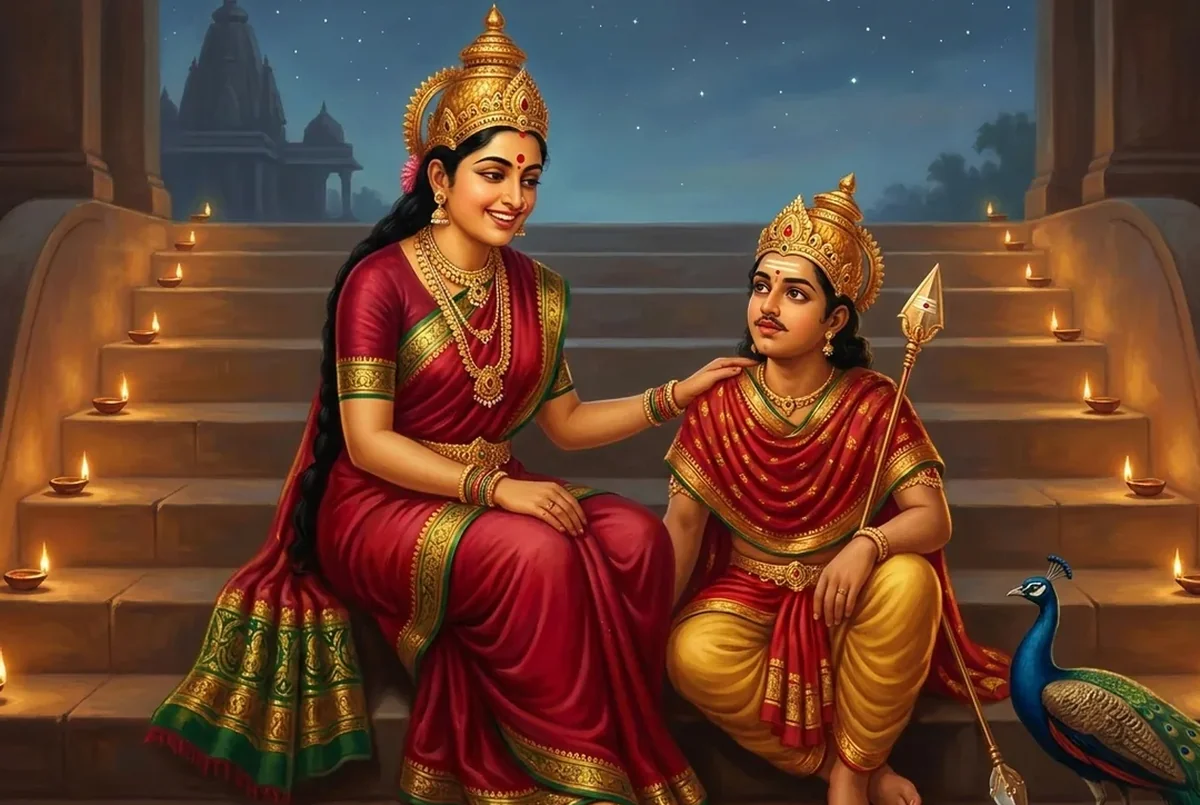
By the time the sixteen Mondays were done his illness had settled and his mind had steadied with it. Some days later Shiva and Parvati came to the temple again. Seeing the priest himself again, Parvati asked how it had happened. He told her about the vrat. It came into her mind to keep it herself, for her son Kartikeya had taken offence in those days and was staying far away. The mother kept the sixteen Monday vrat, and on the evening of the sixteenth Monday Kartikeya came back of his own accord.
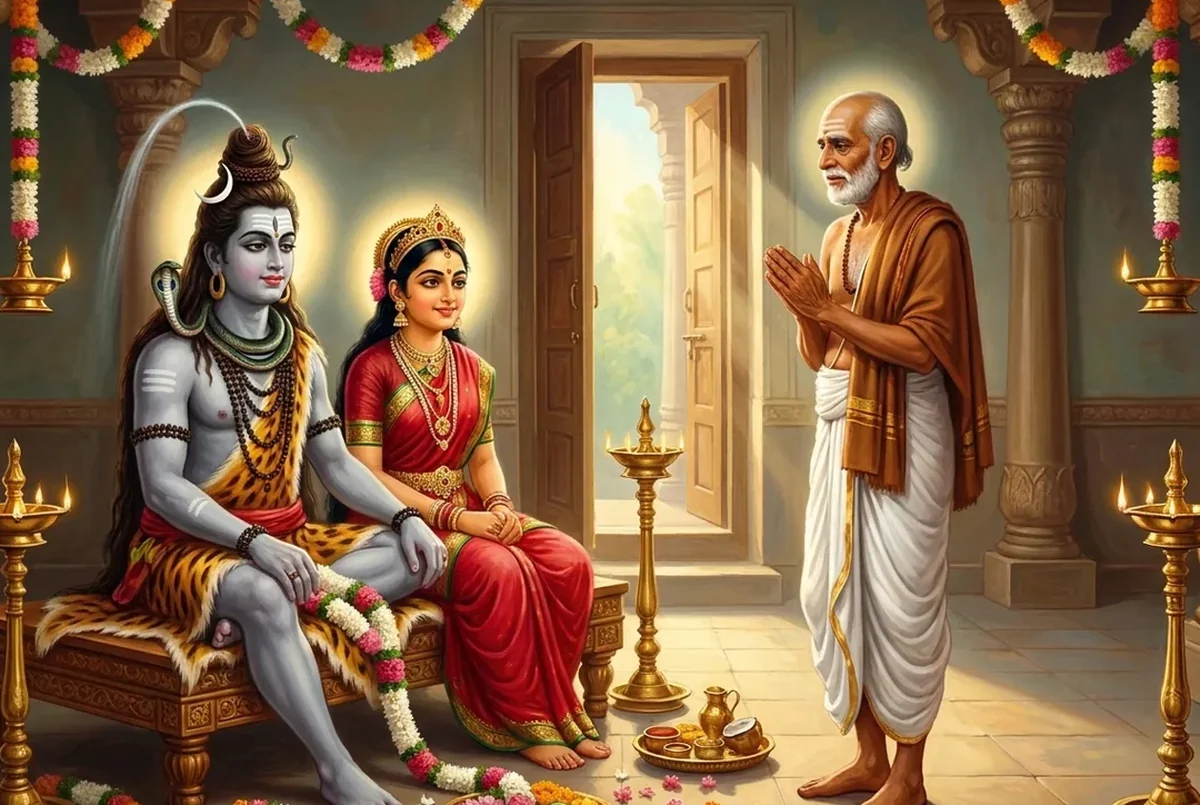
Mother, he asked, why did my mind suddenly pull me here? Parvati laughed and said, what you had forgotten, I have been remembering for sixteen Mondays. In this way the vrat passed from one household to the next. They say that later a king of that same Amravati took it up, and that for years the puja things went from his palace to that temple every Monday. One Monday the king said to his queen, today carry this thali with your own hands; work done by one's own hand stays joined to the mind.
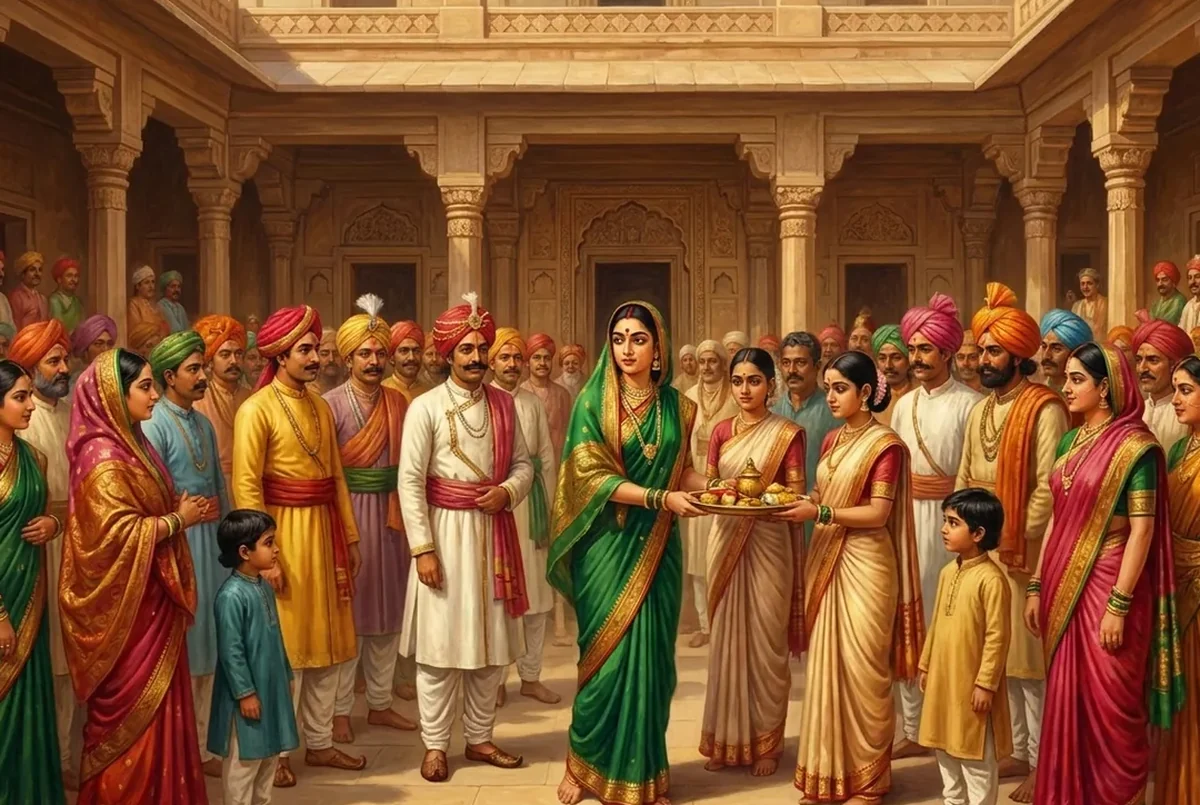
That day there were guests in the palace and the courtyard was crowded. In the hurry the queen pushed the thali into her maids' hands. They fell to talking on the way, half of it was scattered, and the hour of the puja passed. That evening nobody blamed anybody, but the heart of the house sank: a rule kept for years had been let go through the household's own carelessness. The queen spoke of it to a sant at a monastery. The vrat is not the name of carrying the puja things, he said, it is the name of attention. Work with the mind in it is complete though it be small; work without the mind stays unfinished however large.
The queen did just that, and the king began to sit with her every Monday. At the udyapan on the seventeenth Monday the two of them gave with open hands, and that rule was never let go in the house again. Another Monday katha heard everywhere is of a moneylender's son on his way to Kashi, to whom Shiva gave new life; that one is told with Sawan Somvar. The old kathas speak of illness as a curse, but their real weight falls on this, that only work with the mind in it lasts. This vrat is not a promise of cure or of miracle; it is a day of restraint and of attention. May Bholenath bless everyone.
How it is observed
- The vrat is begun on a Monday of the Shukla paksha; many start from the first Monday of Sawan and keep it for sixteen Mondays without a break.
- After the morning bath, white or light clothes are worn and the sankalp of the vrat is taken.
- Water or Ganga water, milk, bel leaves, dhatura, rice, sandalwood and white flowers are offered to the Shivling, with the chant Om Namah Shivaya.
- The day is spent without food or on fruit; in the evening, during pradosh, Shiva and Parvati are worshipped, the katha is heard, and churma or panjiri of wheat flour, ghee and jaggery is offered and divided into three parts; after that one simple meal is taken.
- The udyapan is done on the seventeenth Monday, with a havan, a meal for brahmins, and gifts of grain, cloth and charity to complete the vrat.
- Those who cannot keep a full fast should keep it on fruit or with one meal, as their health allows.
Source
This Solah Somvar story is not a chapter of any Purana but a katha current in the vrat-katha tradition, carried by vrat-katha booklets and by word of mouth in homes; it is told in several versions: some count out a longer chain after the priest, taking in Kartikeya's friend, a brahmin and a princess, and some shorten it, as has deliberately been done here; some tell the moneylender's son as the Monday katha instead. Monday's link with Shiva is very old in tradition.