
Ravivar Vrat Katha
Why is this day celebrated?
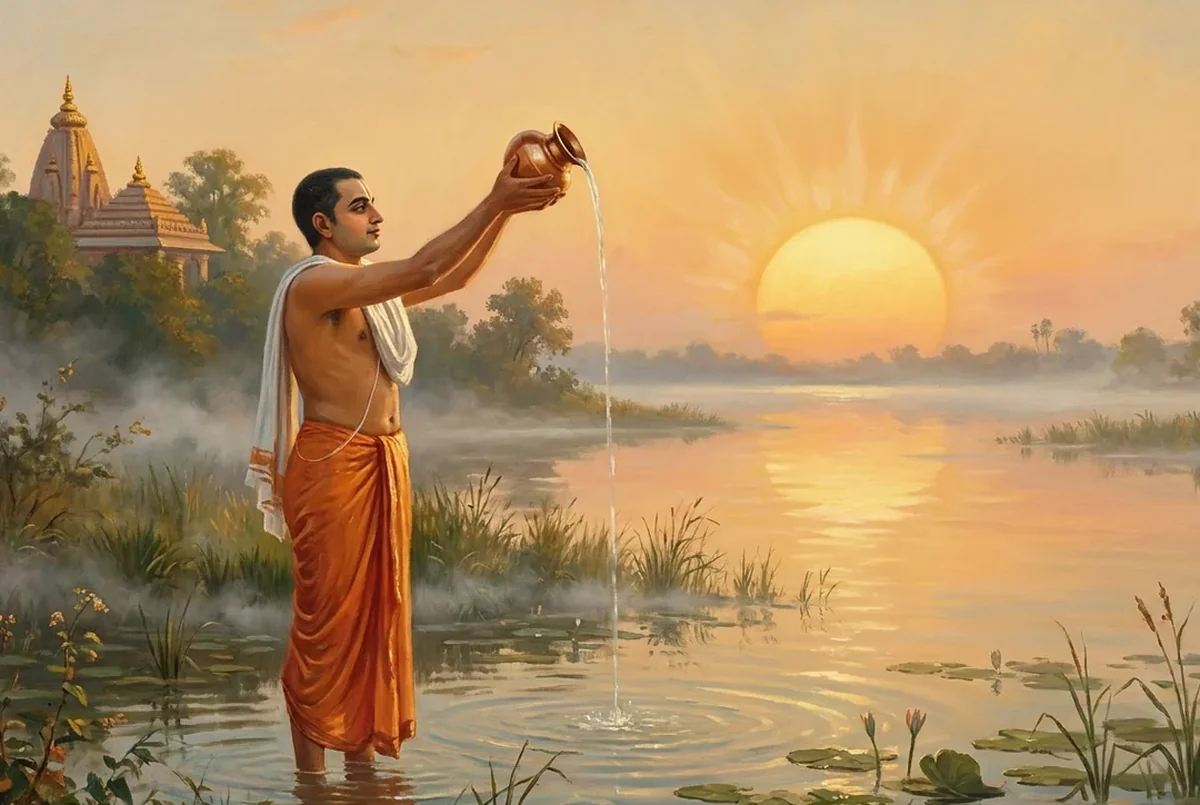
Sunday is the day of Surya dev. Those keeping the vrat rise before sunrise and bathe, offer water as arghya to the rising sun from a copper vessel, and eat one meal before sunset. In many homes the food of this day is cooked without salt, and the colour kept is red or orange. The vrat is kept with the wish for health, a steady mind and a bright, well-kept home.
The katha
The katha says that in a certain village an old mother lived alone. She had neither a field nor a cow, but she had one rule that she never broke. Every Sunday she rose before sunrise, swept the courtyard, plastered it with cow dung, bathed and cooked, offered the food to Surya dev, told the katha, and then ate once in the day. People in the village said that the old woman's house lacked plenty, but her face was always calm.
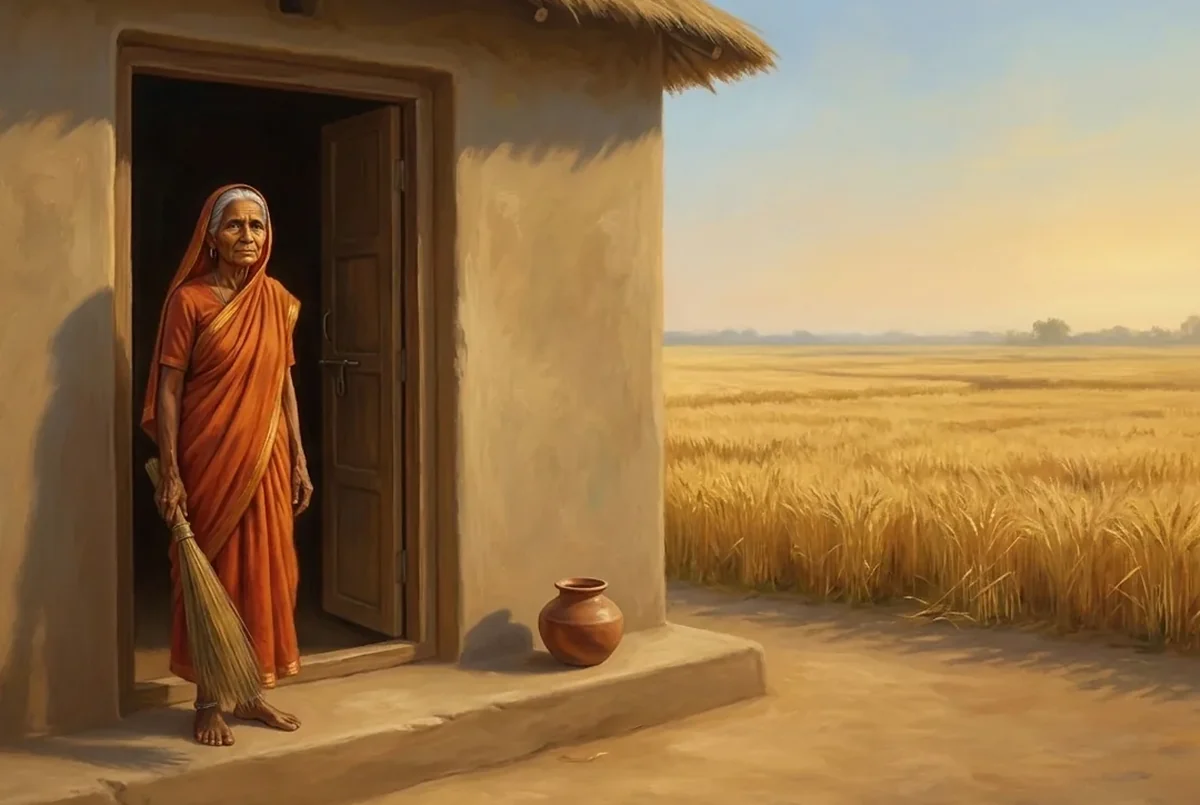
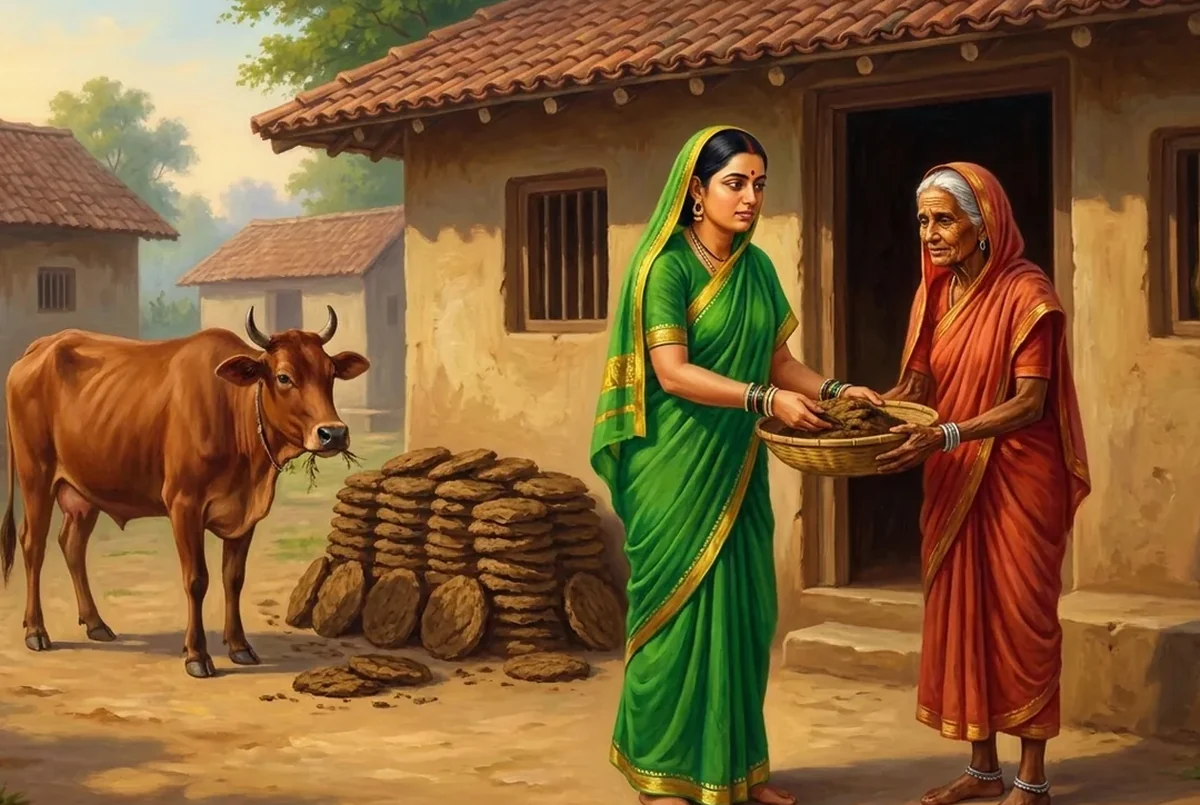
She had no cow dung of her own, so she would ask for some from her neighbour. The neighbour had a cow and gave a little without thinking much about it. Over some years the old woman's house quietly began to do better. The house was repaired, there was grain in store, and her mind grew steadier than before. The neighbour watched this and envy settled in her. She thought, the dung is from my cow, so why is the increase in her house?
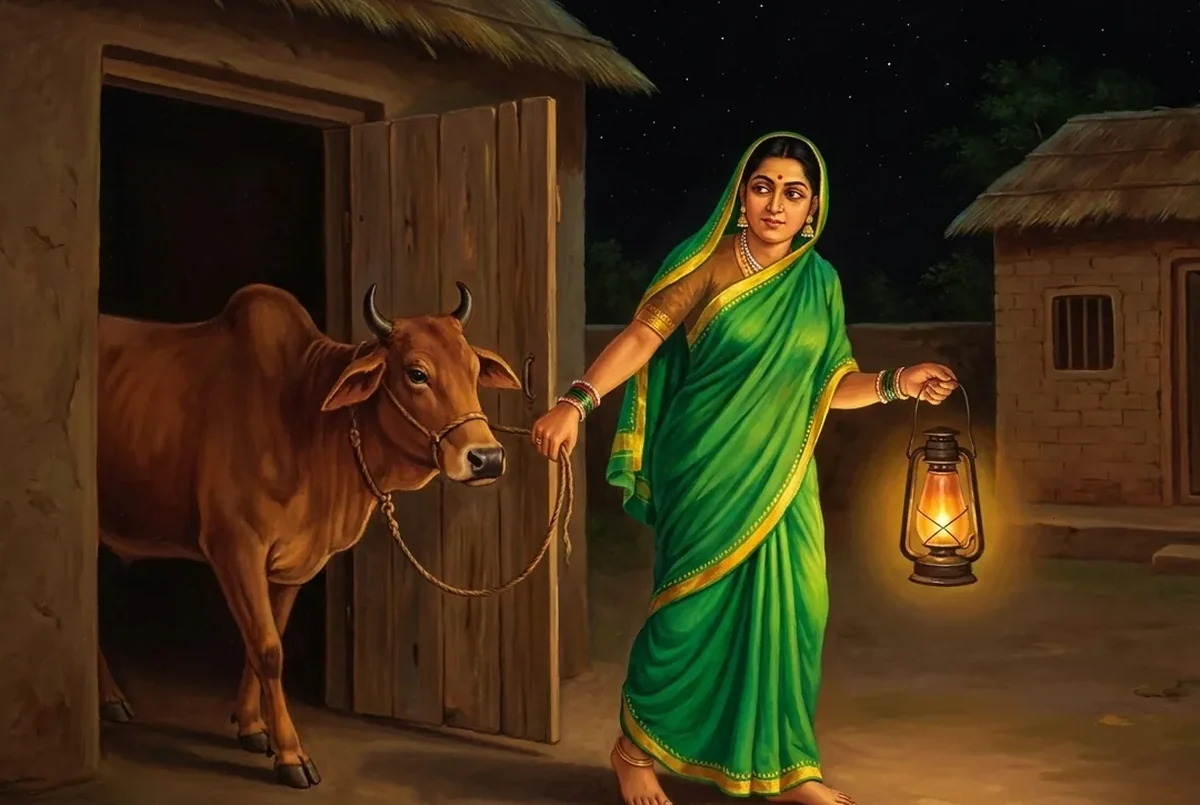
One Saturday night she tied her cow up inside, thinking that the next morning there would be no dung to be found outside. On Sunday the old woman rose and looked about for a long while, but there was none anywhere. Without plastering the courtyard she did not cook, and without making the offering she did not eat. She went hungry all day and slept that night as she was. She said nothing to anyone; far from quarrelling with her neighbour, she did not even complain.
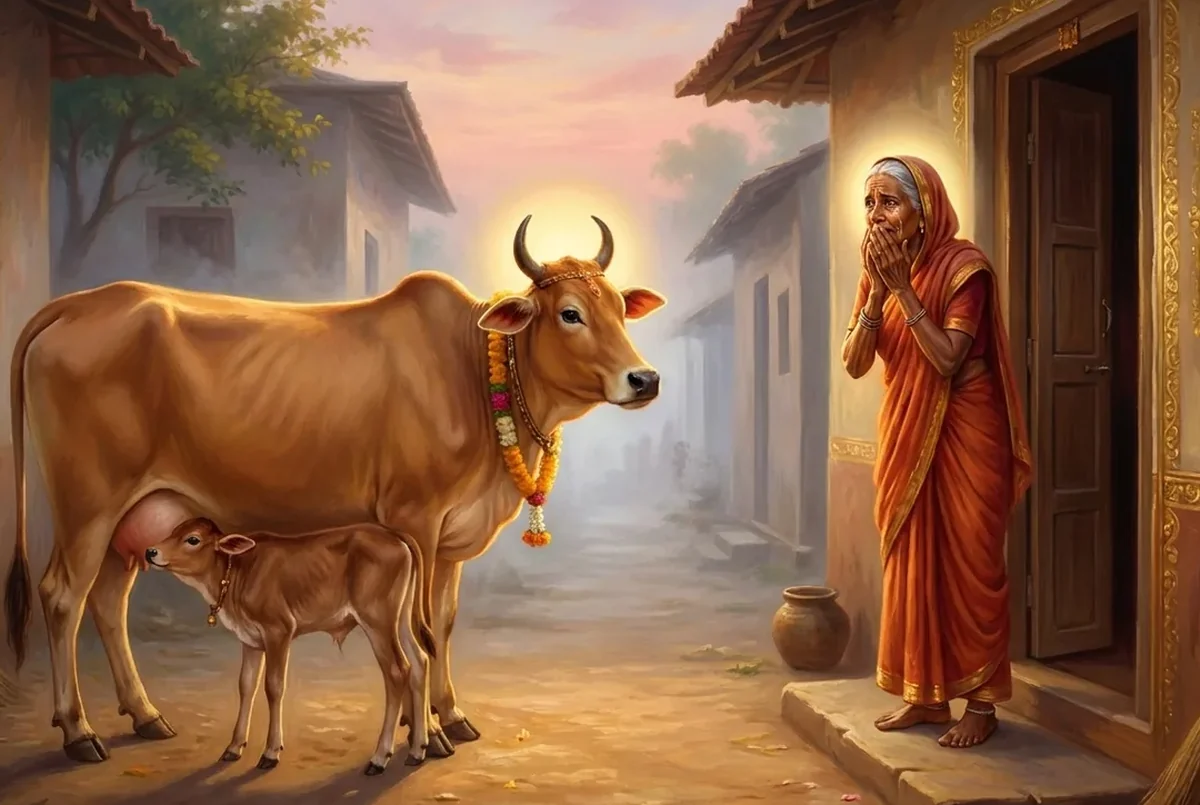
When she opened her eyes in the morning, she saw a beautiful cow standing in her courtyard with a calf. Her eyes filled. They say this was the grace of Surya dev. The old woman began to care for the cow, and now she had to go to nobody's house for dung. A few days later something astonishing happened. The cow's dung began turning to gold. The old woman never came to know of it, because the courtyard was already empty each morning before she rose.
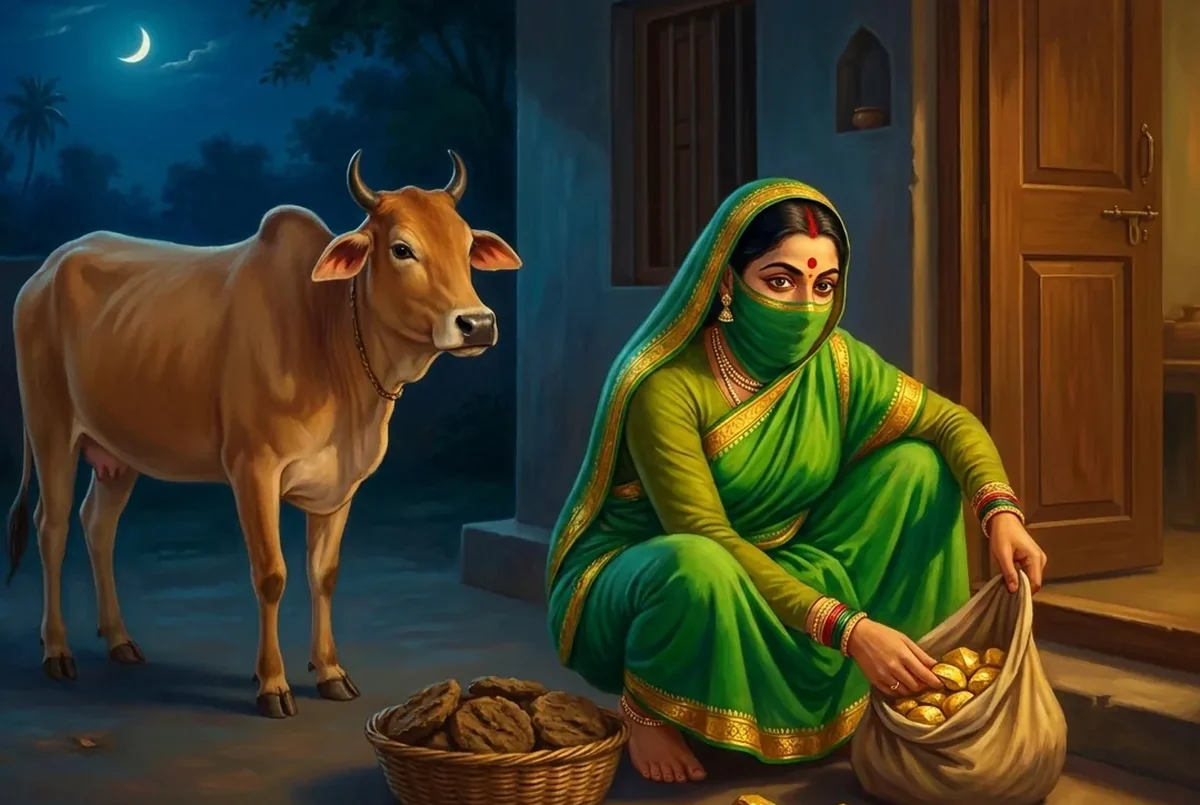
The neighbour had seen it. Every day she came in the dark, took away the golden dung and left her own cow's ordinary dung in its place. In a few days her house was full. The old woman went on plastering her courtyard and keeping her Sunday vrat as before, knowing nothing of it. But the matter did not stay hidden long. Talk of the golden dung reached the city, and the king had the cow brought to his own shed.
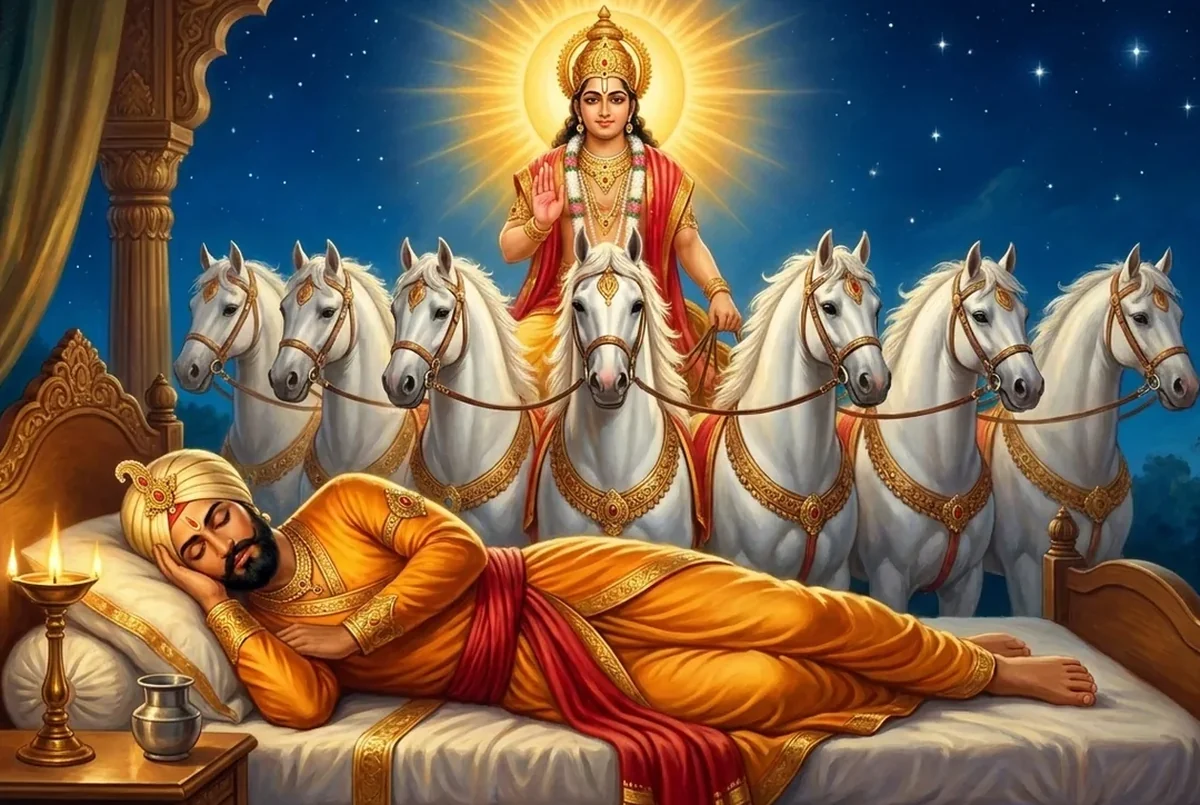
That same night Surya dev came to the king in a dream. He said, this cow belongs to that old woman, who earned it by her rule and her patience; give back to her what is hers. In the morning the king sent the cow and the calf to her house with honour, and ordered that what had been taken from her in secret be returned as well. He had it announced through the kingdom that the Sunday vrat should be kept with faith.
The neighbour came to the old woman's house herself and bowed her head and asked forgiveness. The part of the katha people remember best is this: the old woman forgave her, and from that very day began sharing the cow's milk with her. The katha says that whoever keeps the Sunday vrat faithfully and hears this story keeps a clear mind and peace in the home. The greatest thing in it is the old woman's rule, which she did not break even when she went hungry, and the forgiveness she gave before it was asked for. May Surya dev give everyone health and brightness.
How it is observed
- On Sunday one rises before sunrise, bathes and takes the sankalp of the vrat; many begin on a Sunday of the Shukla paksha and keep it for twelve, twenty-one or thirty Sundays.
- Water is offered as arghya to the rising sun from a copper vessel, with roli, rice and red flowers in it, and Om Suryaya Namah is chanted or the Aditya Hridaya is read.
- After the puja this vrat katha is heard, and jaggery, wheat or red flowers are offered.
- One meal is eaten in the day, before sunset; in many homes it is cooked without salt and without oil, and nothing is taken after sunset.
- It is the custom on this day to give wheat, jaggery, red cloth, copper and food to those in need; when the Sundays taken in the sankalp are complete, the udyapan is done with these same gifts.
- Those who cannot keep the vrat without salt or without water should keep it on fruit or with one simple meal, as their health allows.
Source
This Sunday vrat katha is a story current in the vrat-katha tradition, not a chapter of any Purana; it is told in several versions, and in some booklets the neighbour is punished by the king at the end, while this retelling follows the version of the same tradition in which she asks forgiveness. The custom of offering arghya to the sun comes down from Vedic times.