
Udupi Krishna: Madhvacharya's Bala Krishna and Kanakadasa's Window
Udupi, Karnataka
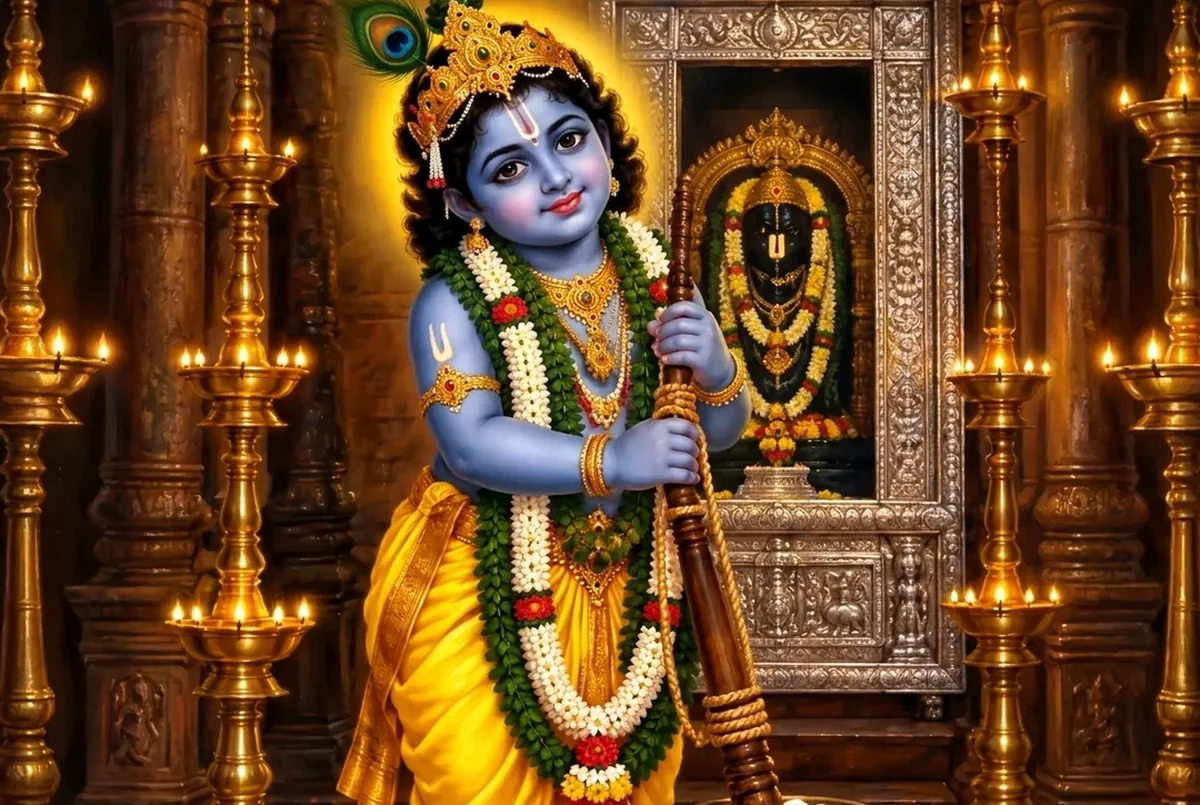
In the coastal town of Udupi, Sri Krishna stands as a little boy, holding a churning rod in one hand and a rope in the other. Tradition says that in the thirteenth century Sri Madhvacharya received this image from a ship at sea, and that in the sixteenth century the Lord turned to the west for the devotee-poet Kanakadasa. That is why at Udupi Krishna is seen through a small window.
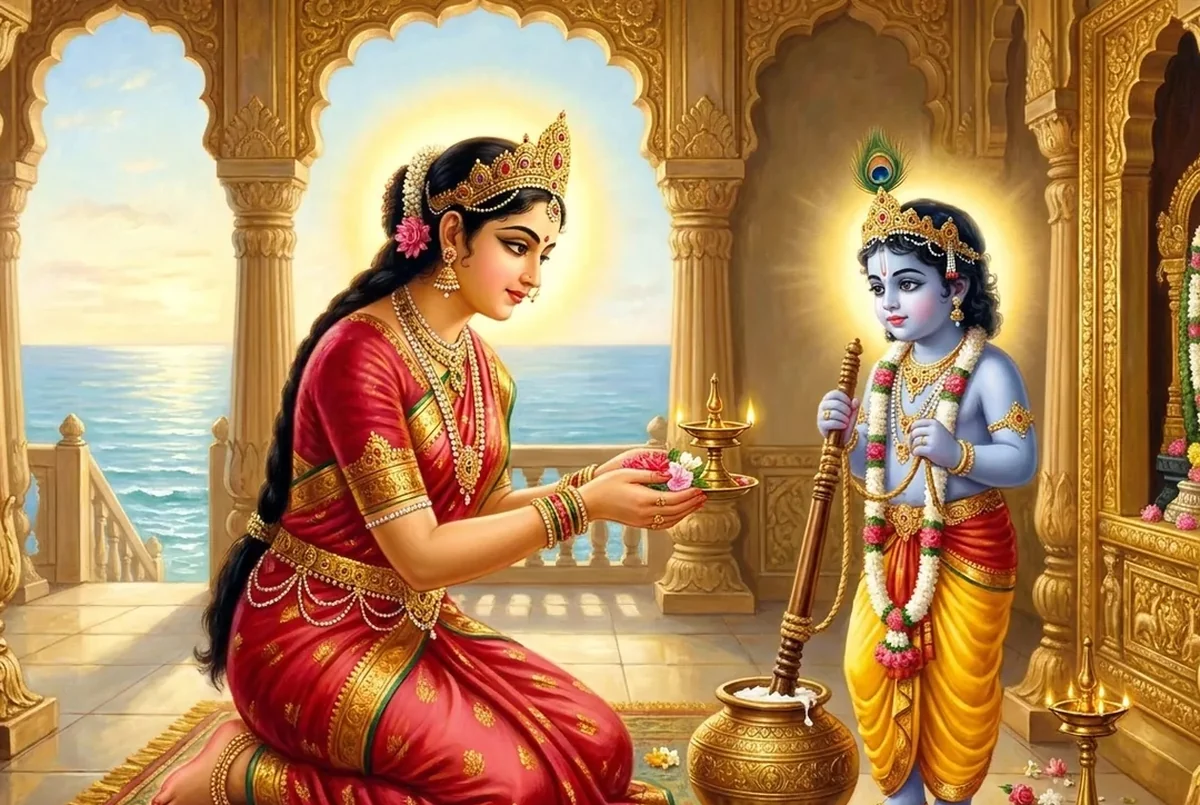
It is said that at Dwaraka, Rukmini worshipped a lovely image of the child Krishna. In it little Krishna stands holding a churning rod and a rope, as if insisting on helping Mother Yashoda churn the curd. When Dwaraka was swallowed by the sea, the image lay hidden in a mass of gopichandana, the sacred clay devotees use for the forehead mark. Ages later a merchant took the lump for ordinary clay and loaded it into his ship as ballast.
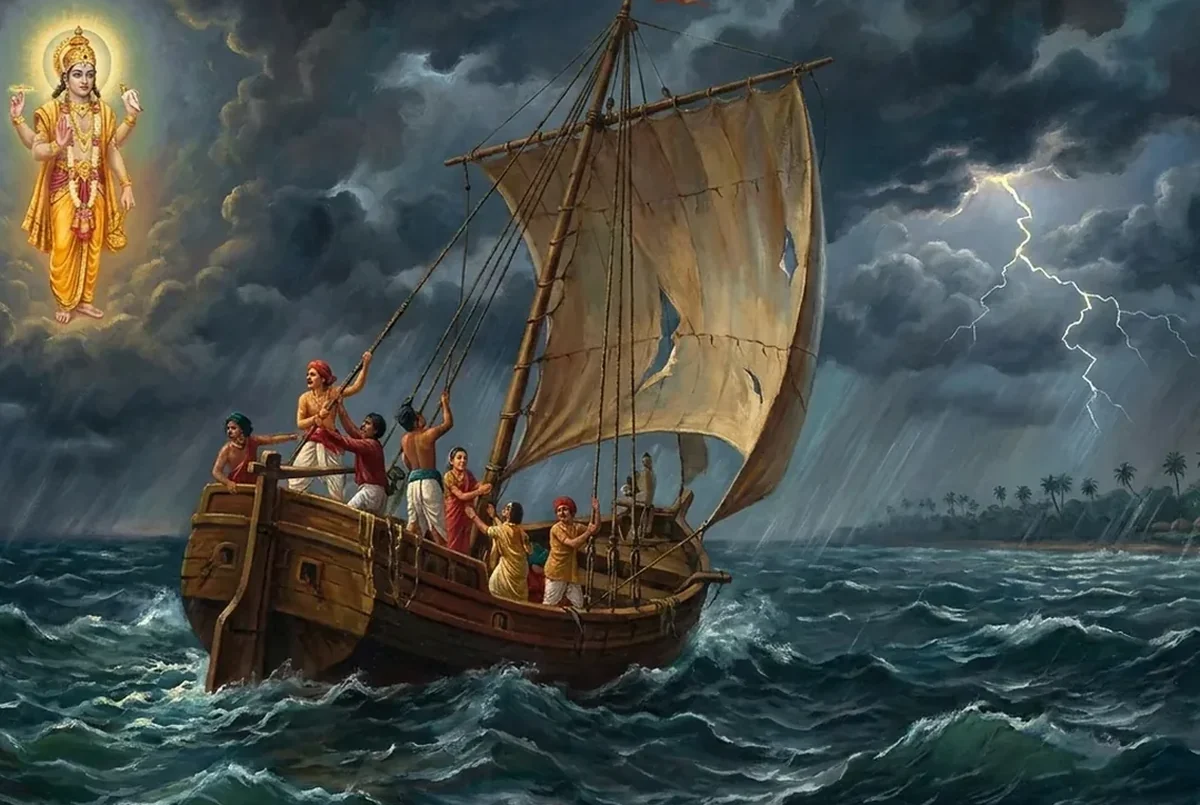
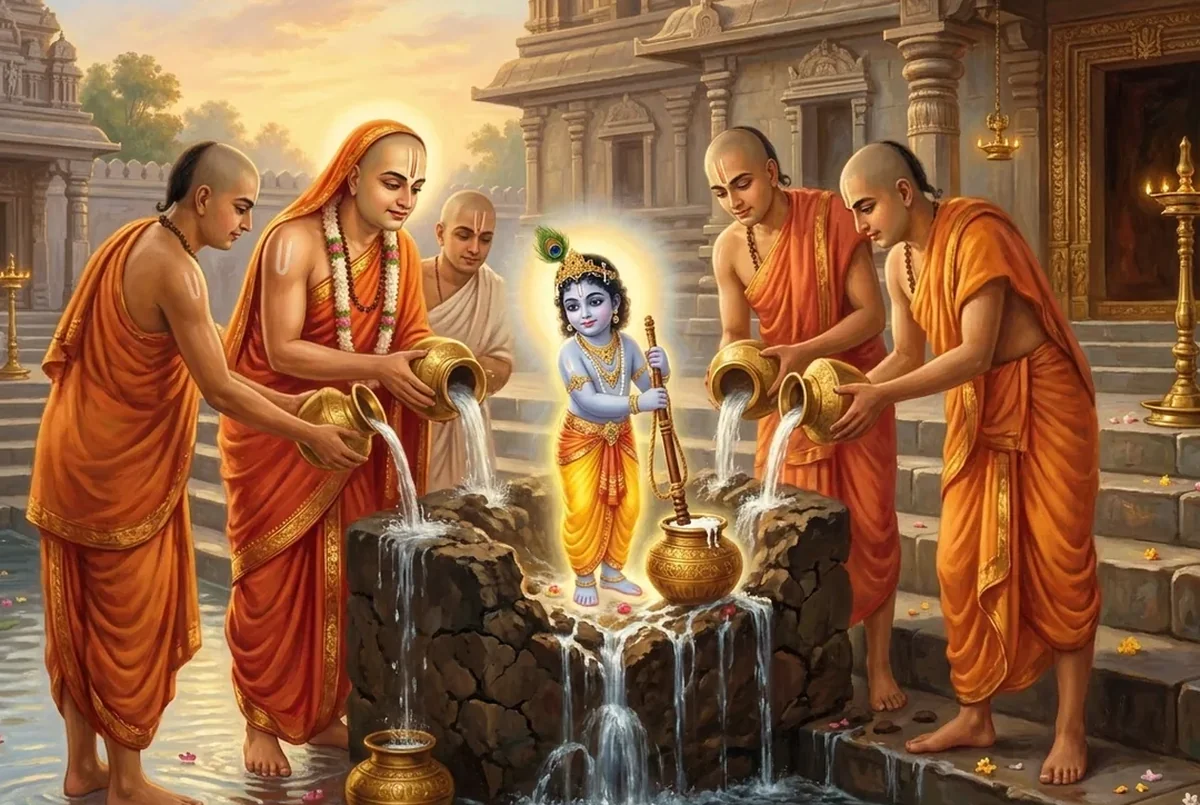
The ship sailed down the western coast, and as it neared Malpe, close to Udupi, a violent storm arose. Towering waves threatened to swallow it. On the shore, Sri Madhvacharya was sitting in meditation. Seeing the sailors in danger, he waved his upper cloth, the uttariya, in the air. Tradition says the storm died down and the ship came safely to land.
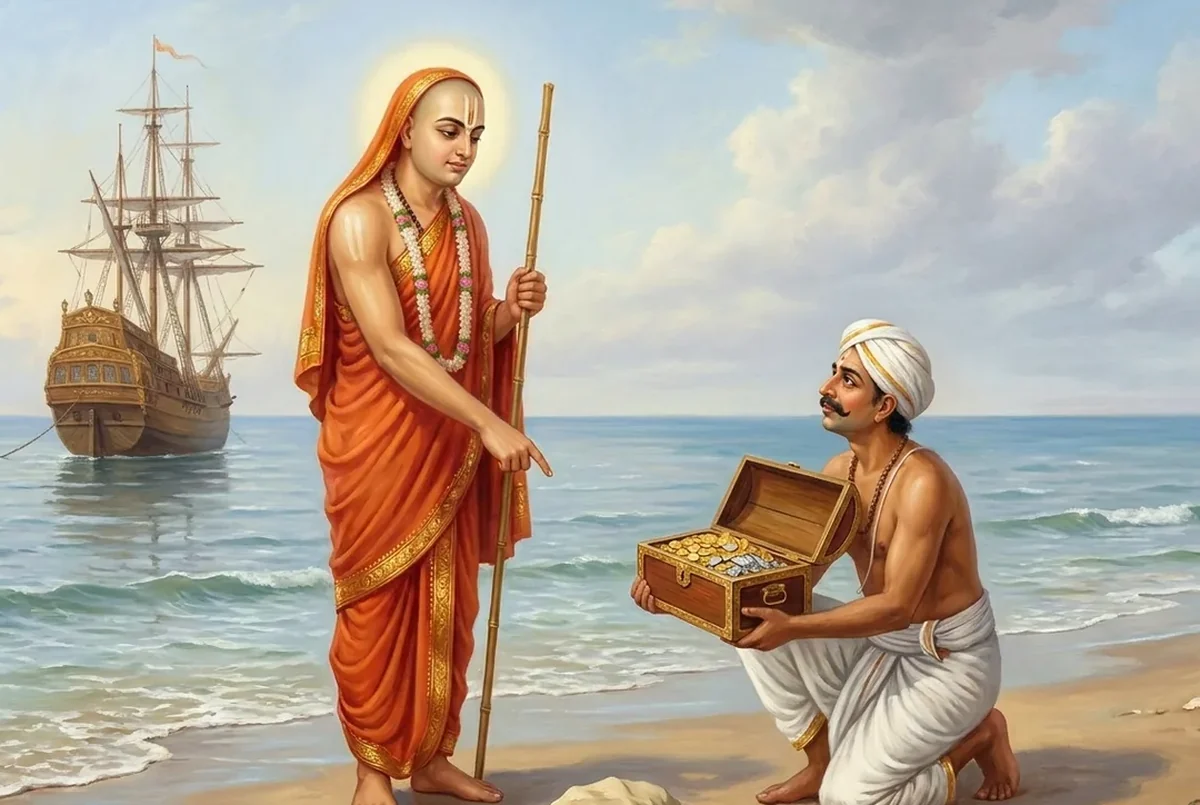
The ship's owner fell at the acharya's feet and begged him to take whatever he wished. Madhvacharya asked for no gold or silver, only the lump of gopichandana that had been kept on board as ballast. The merchant was puzzled but gladly gave it. The acharya lifted the heavy lump and set off for Udupi, and it is said that praise of the Lord flowed from him all along the way, later known as the Dvadasha Stotra.
At Udupi, when the clay was cleared away, the beautiful image of Bala Krishna appeared inside. The acharya installed it with due rites and entrusted its worship to eight disciples, from whom the eight mathas of Udupi, the Ashta Mathas, arose. An image of Balarama is also said to have been found, and it was installed at Vadabhandeshwara near Malpe. To this day the eight mathas take turns to care for Krishna's worship, a system called the Paryaya.
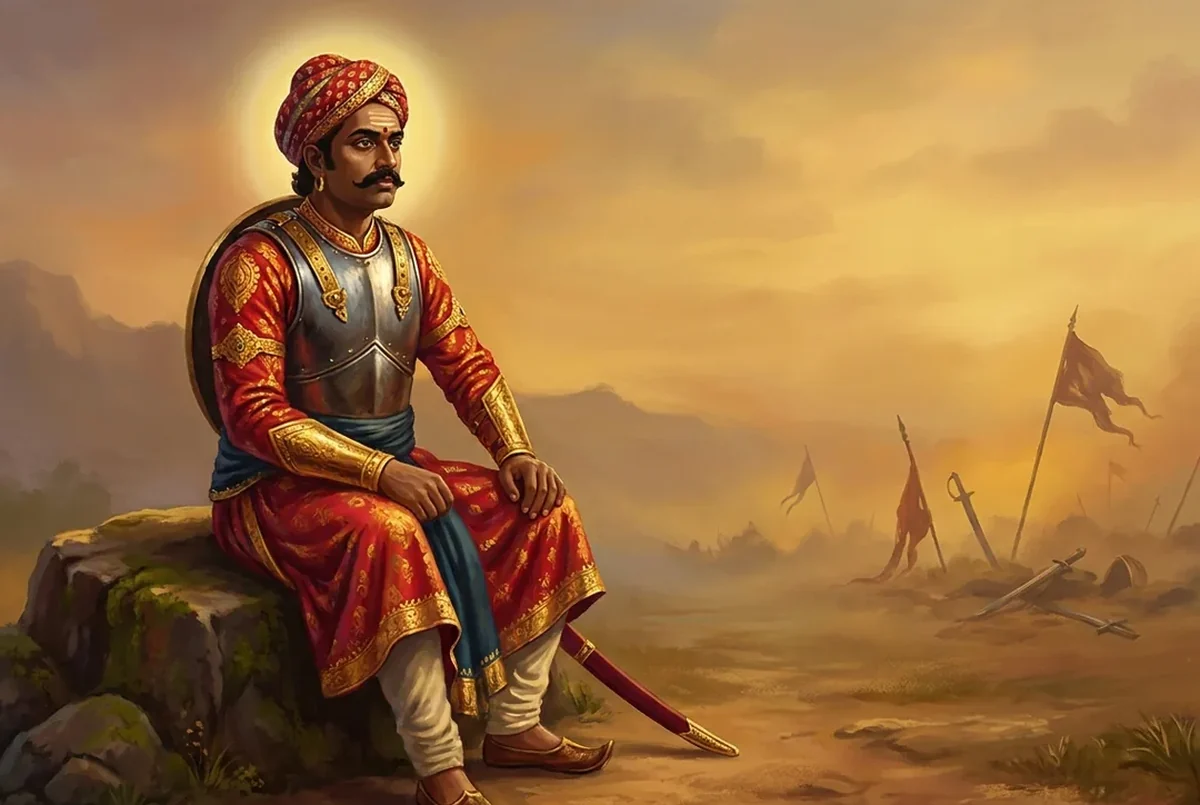
Many generations later, in the sixteenth century, the life of Thimmappa Nayaka, a military commander from Bada village near Haveri, changed. After a defeat in battle, a deep detachment arose in him and his heart turned to devotion to Hari. He became a disciple of the saint Vyasaraja and came to be known as Kanakadasa. In the name of Adikeshava of Kaginele he composed simple yet profound devotional songs in Kannada, still sung in villages across Karnataka.
Once Kanakadasa came to Udupi, longing to see Krishna. But because of the caste divisions of that time, he was not allowed inside the temple. Kanakadasa quarrelled with no one. He stayed by the back wall of the temple, on its western side, and sat there day and night, calling out to Krishna and singing for him. There was no bitterness in his heart, only the hope that the Lord would look his way just once.
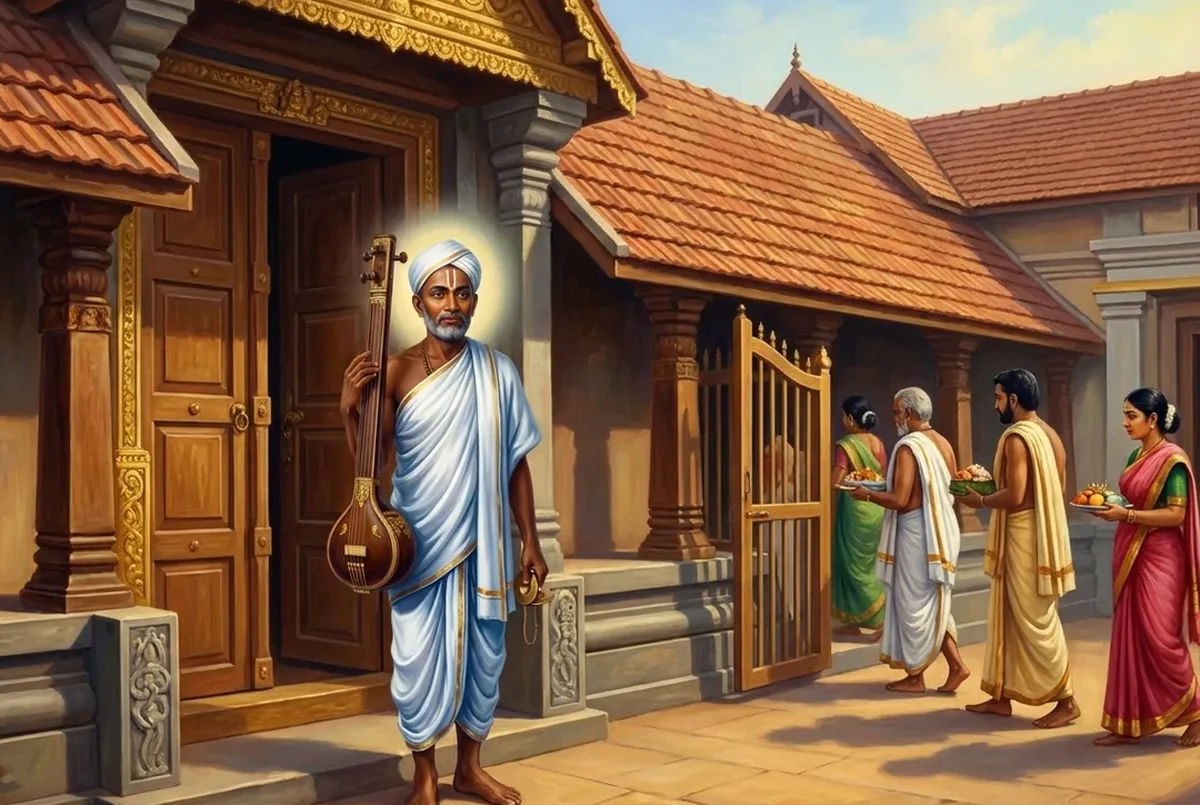
Tradition says that, hearing his devotee's call, the image inside turned to face the west, and the back wall cracked open. Through that crack Kanakadasa saw his Lord to his heart's content. A window was later made at that spot, and it is called Kanakana Kindi, Kanaka's window. Even today Krishna at Udupi faces west, and devotees see him through the silver Navagraha Kindi, a window with nine openings. The story tells us that to the Lord, a devotee's love is the only identity that matters. May the child Krishna of Udupi bless all.
Source
Madhvacharya receiving the image is the tradition of the Udupi mathas; Kanakadasa and the Kanakana Kindi belong to Karnataka's devotional tradition. Some details, such as the image coming from Dwaraka, are told in different ways.