Kanaka Durga: Kanaka Durga of Indrakeeladri
Indrakeeladri, Vijayawada, Andhra Pradesh
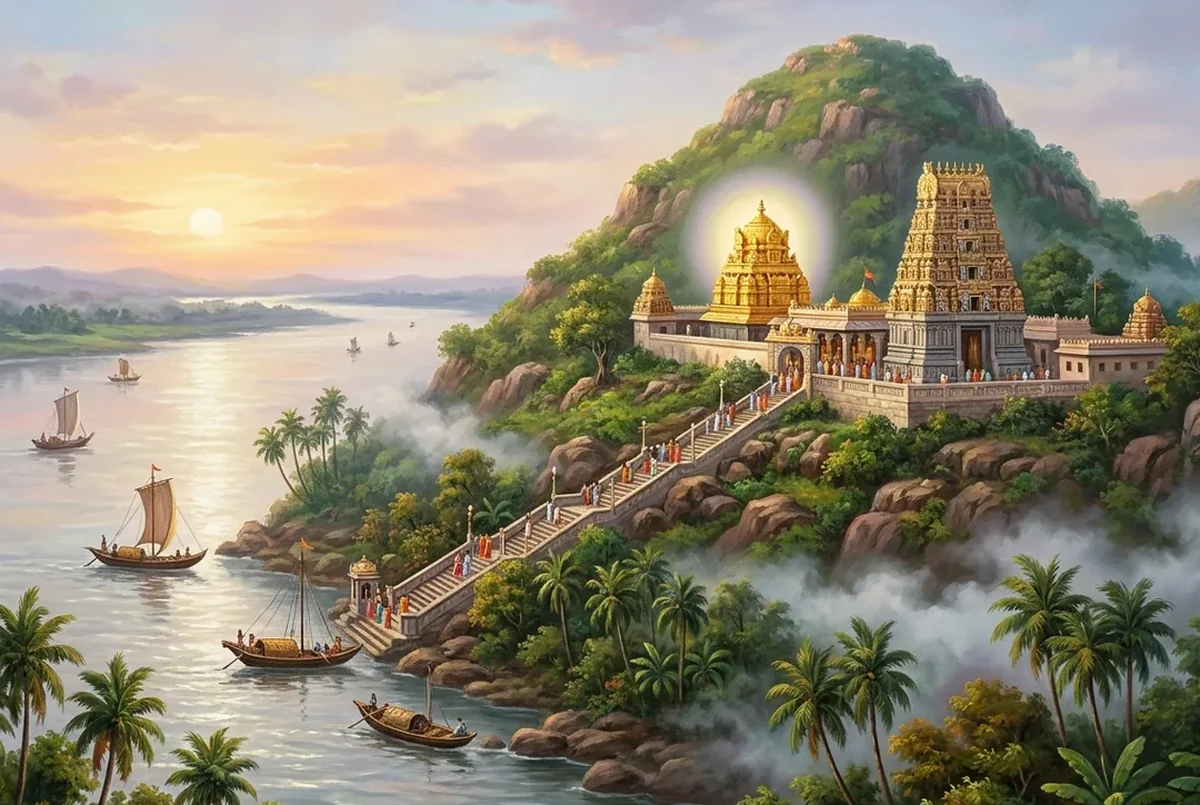
Kanaka Durga, lovingly called Durgamma by Telugu devotees, dwells on the Indrakeeladri hill above the Krishna river at Vijayawada. The temple tradition says that here the Mother ended a cruel demon, and here Arjuna won the Pashupata weapon from Shiva through penance, which gave the city its name.
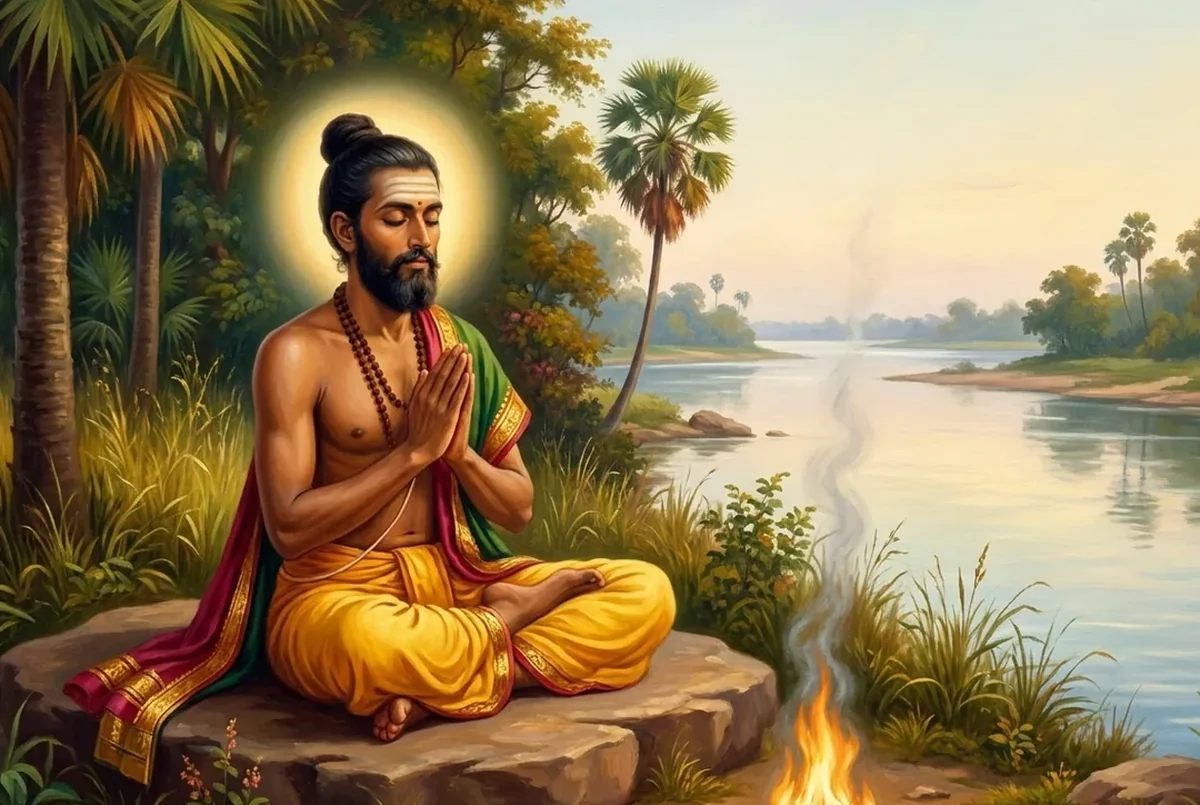
Long ago, on the banks of the Krishna river, lived a devotee named Keeludu; some tellings call him a yaksha. He did hard penance to see the Primal Mother. When she appeared, pleased, Keeludu folded his hands and begged her to dwell on him for ever. The Mother said: stand here by this river as a hill, and when I have destroyed the wicked, I will come and live upon you. Keeludu became a hill, and it was called Keeladri.
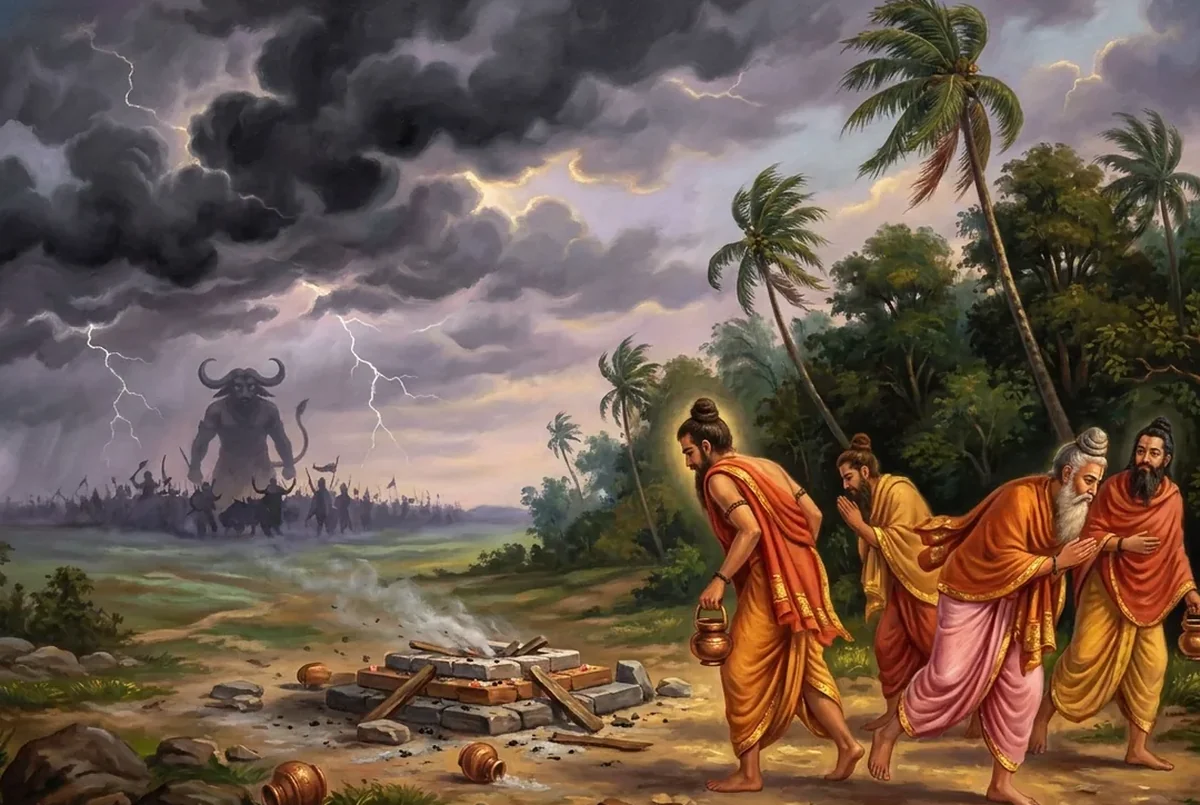
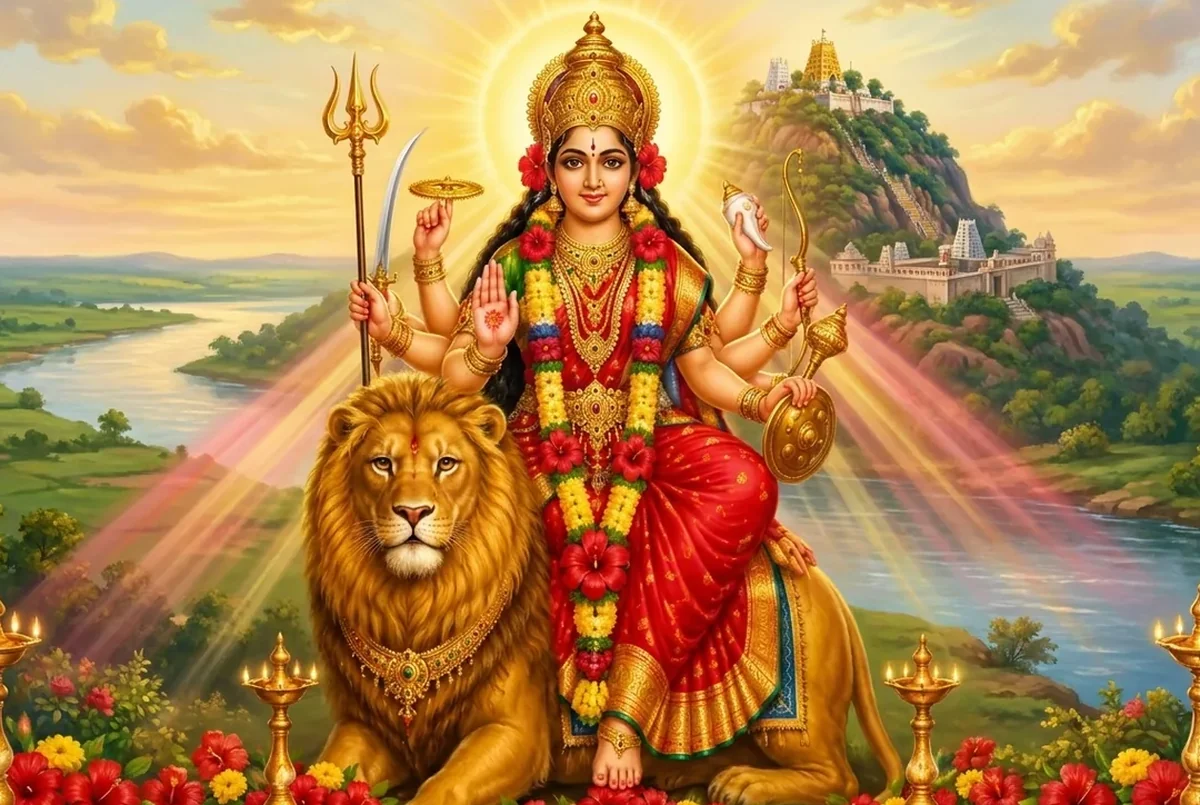
In those days the demon Mahishasura held the world in fear. Proud of his boon, he had driven the gods out of heaven and kept breaking up the sages' yagnas. So the Mother took the form of Mahishasura Mardini, with eight arms. Riding a lion, with the weapons the gods had given her in her hands, she met the demon armies. In the last battle, fought on Keeladri, she ended Mahishasura with her trident and, true to her word, made that hill her home.
It is said that after the victory the Mother shone like gold, and so devotees began to call her Kanaka Durga, the golden Durga. Indra and the gods came again and again to worship her on the hill, and Keeladri came to be called Indrakeeladri. Another tradition says the demon she defeated here was Durgamasura, and that from this victory she came to be known as Durga. Both tellings carry the same heart: the Mother kept the promise she made to her devotee.
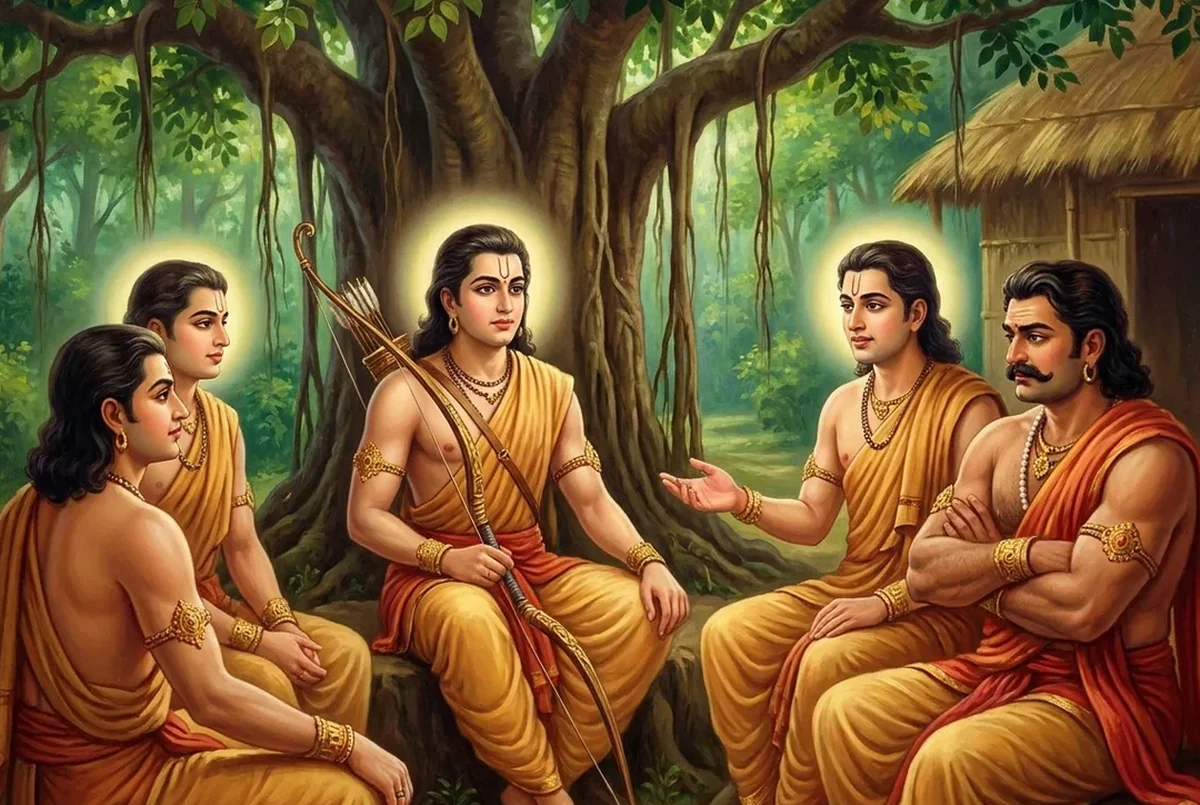
Ages passed and the Dwapara Yuga came. During their years in the forest the Pandavas knew a great war lay ahead. On the advice of the sage Vyasa, Arjuna went to the mountain Indrakila to worship Shiva for divine weapons. Telugu tradition holds that this mountain is Indrakeeladri. Keeping strict vows, and at last living on air alone, Arjuna did such penance that its heat spread all around.
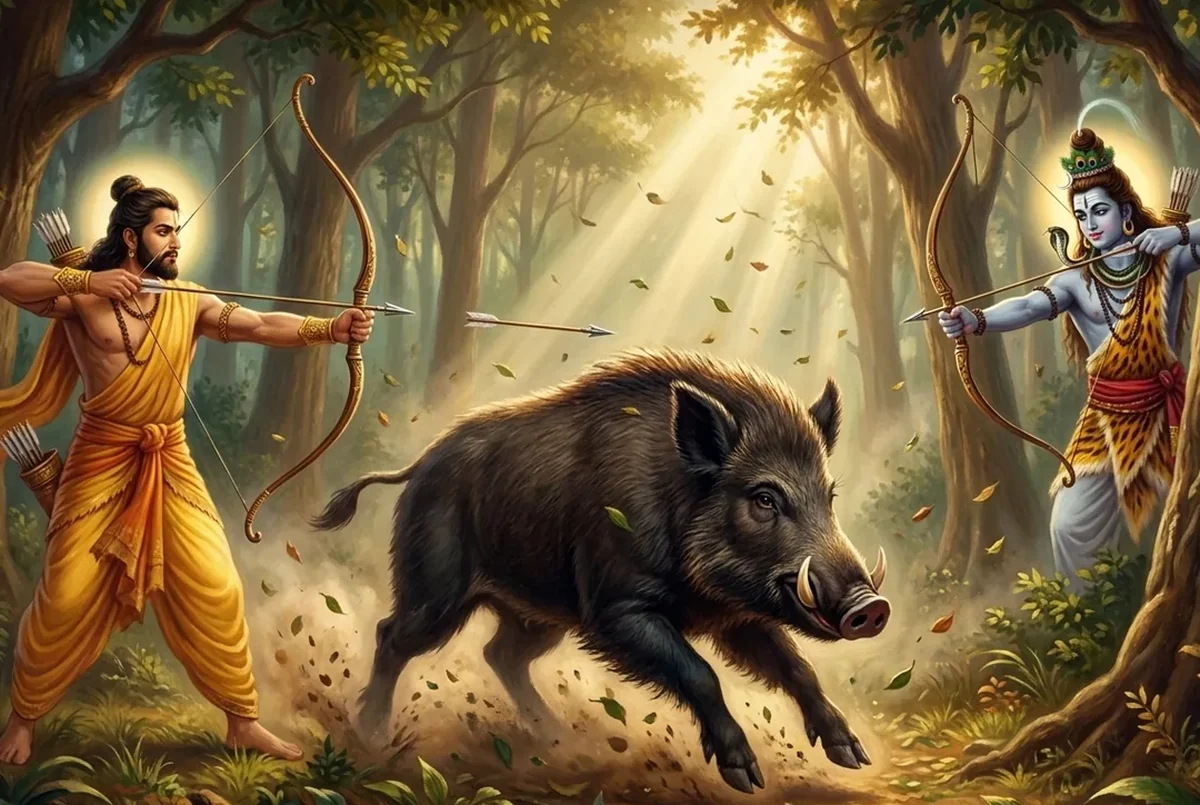
One day a demon named Mooka, in the form of a wild boar, charged at Arjuna. Arjuna loosed an arrow, and at the same moment so did a hunter. The hunter, a Kirata of the forest, was Shiva himself, with Parvati beside him dressed as a hunter's wife. They argued over whose arrow had felled the boar, and a fight began. Arjuna's arrows ran out and his bow was taken from him, yet he would not give in. Weary, he made an altar of earth and offered a garland to Shiva, then saw that same garland on the hunter's head. Arjuna understood, and fell at his feet.
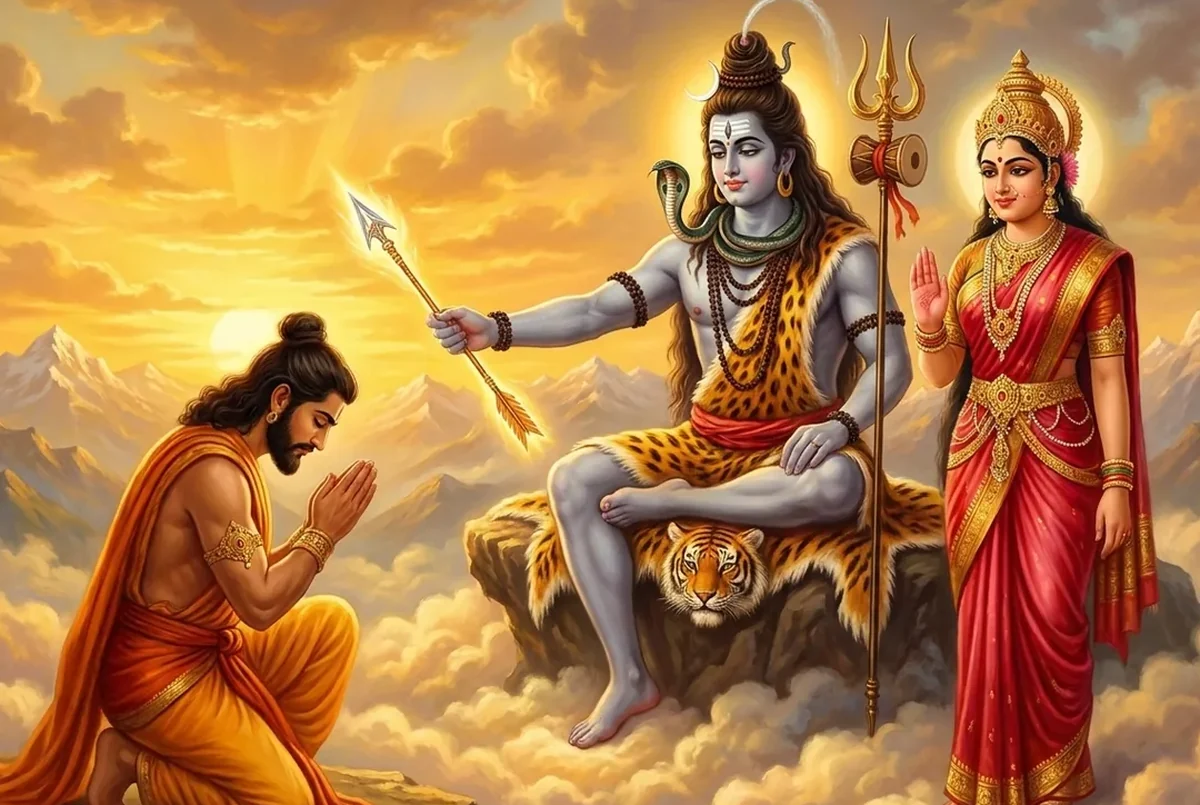
Pleased, Shiva gave Arjuna the Pashupata weapon, and Parvati blessed him too. One of Arjuna's names is Vijaya, the victorious; the local tradition says that because he won his victory here, the place was called Vijayawada. On the same hill Shiva is worshipped beside the Mother as Malleswara Swamy. It is said that Brahma once worshipped him with jasmine flowers, malle in Telugu, and that is how he got the name.
Every year during the Dasara Navaratri, the Mother on Indrakeeladri is adorned in a different form each day, and on Vijayadashami Durga and Malleswara are taken out on a decorated float on the Krishna river, the Teppotsavam. Tradition also says that Adi Shankaracharya installed a Sri Chakra here. As devotees climb the steps, they carry the same wish Keeludu once had, that the Mother stay close. May Kanaka Durgamma keep courage and peace in every home.
Source
Keeludu, the slaying of Mahishasura and the names Kanaka Durga and Vijayawada come from the temple tradition of Indrakeeladri; some versions name Durgamasura instead of Mahishasura. Arjuna's penance and the hunter episode are in the Mahabharata, Vana Parva (Kairata Parva), which places Indrakila in the Himalayan region; identifying it with this hill is local tradition.