
Ambabai: Ambabai of Karvir and the demon Kolhasur
Kolhapur, Maharashtra
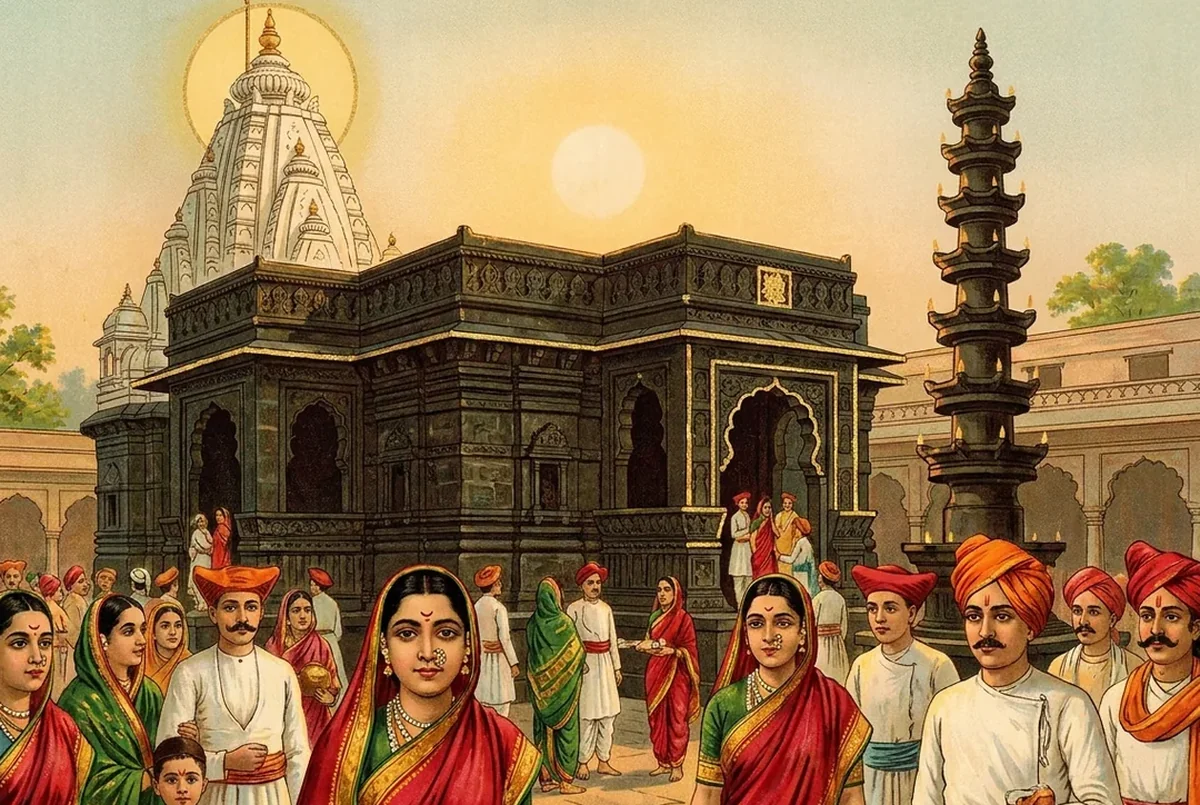
Ambabai of Kolhapur, also worshipped as Shri Mahalakshmi and Karvir Nivasini, is among Maharashtra's most revered goddesses and is counted among its three and a half Shakti Peethas. Her ancient temple stands near the Panchganga river, and countless families hold her as their kuldevi. This story tells how the city came to be called Kolhapur.
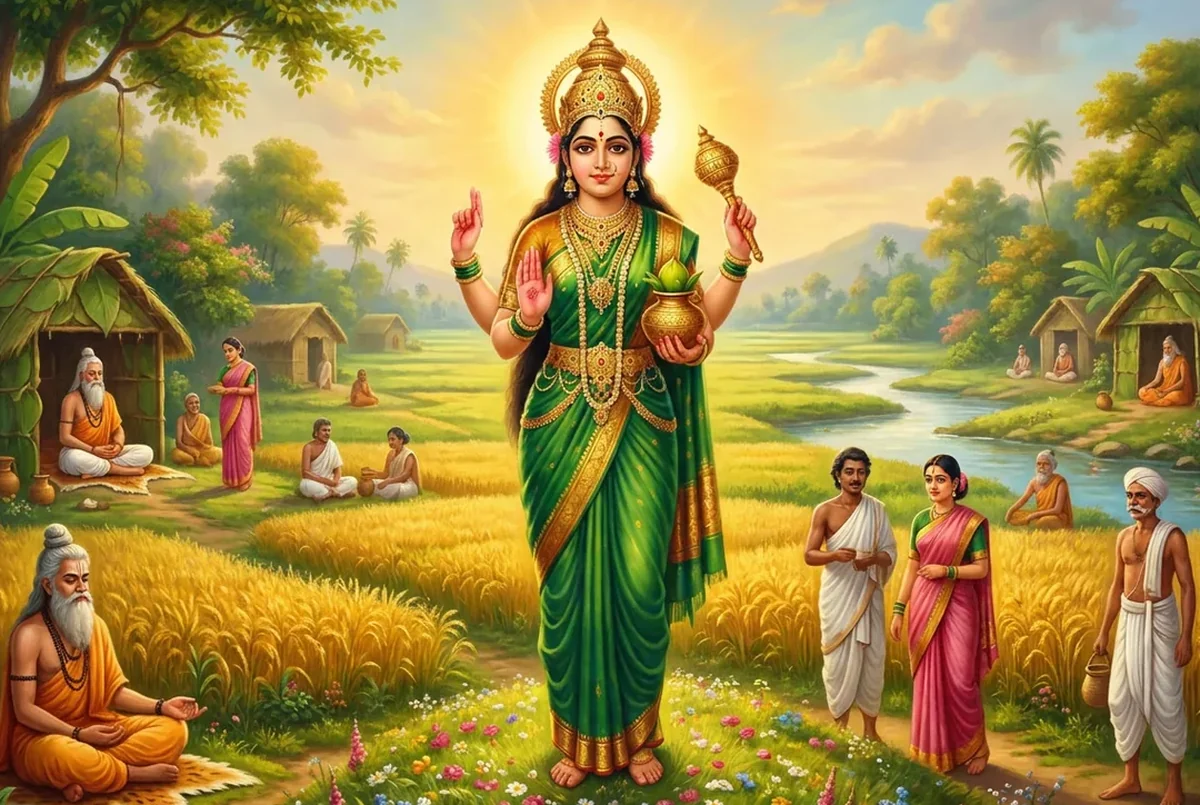
An old story says that this holy land, known as Karvir Kshetra, was so dear to Goddess Mahalakshmi that she made it her eternal home. Sages performed their tapas here, the fields flourished and people lived in peace. But in those days a mighty demon named Kolhasur seized the region. He was so proud of his strength that he believed no one could ever defeat him.
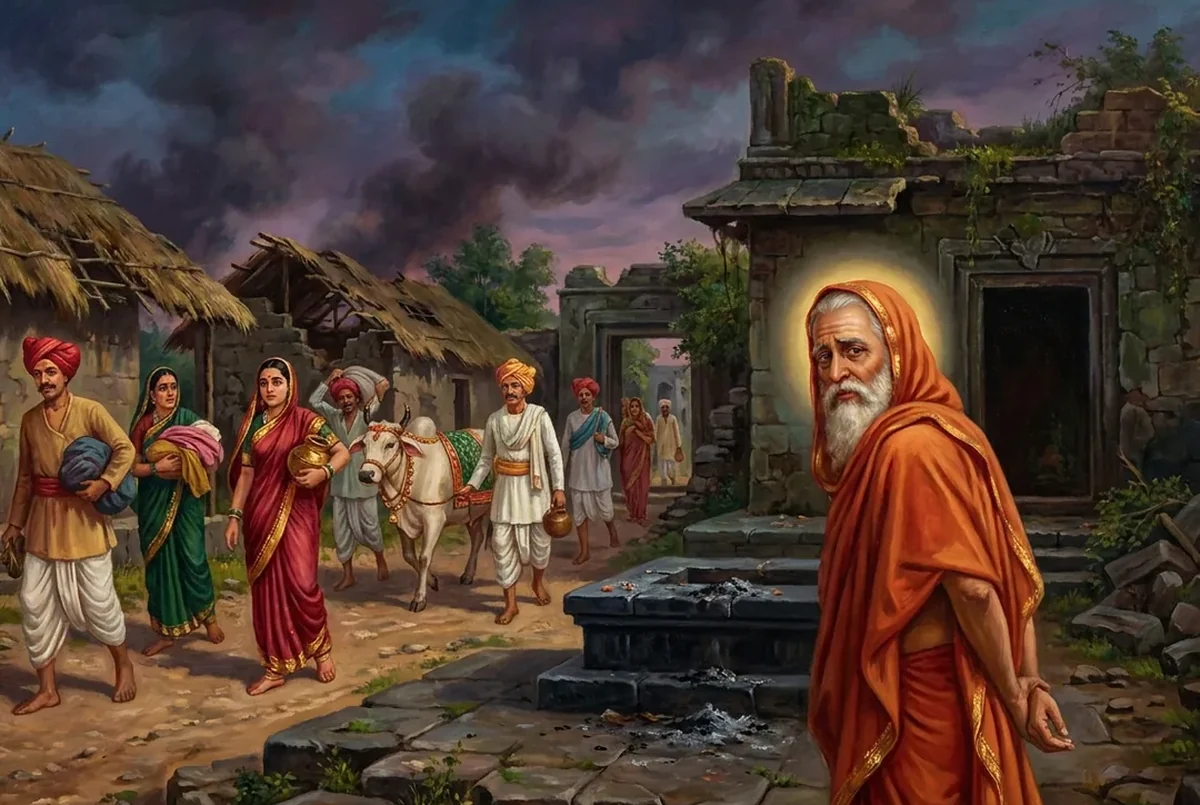
Kolhasur and his sons spread terror across Karvir. Yagnas stopped, the sages' ashrams were ruined and ordinary people lived in fear. The cruelty of his son Karvir grew so great that Lord Shiva himself ended it. As he died, Karvir prayed that the land be known by his name, and so it came to be called Karvir. But his son's death only inflamed Kolhasur's rage.
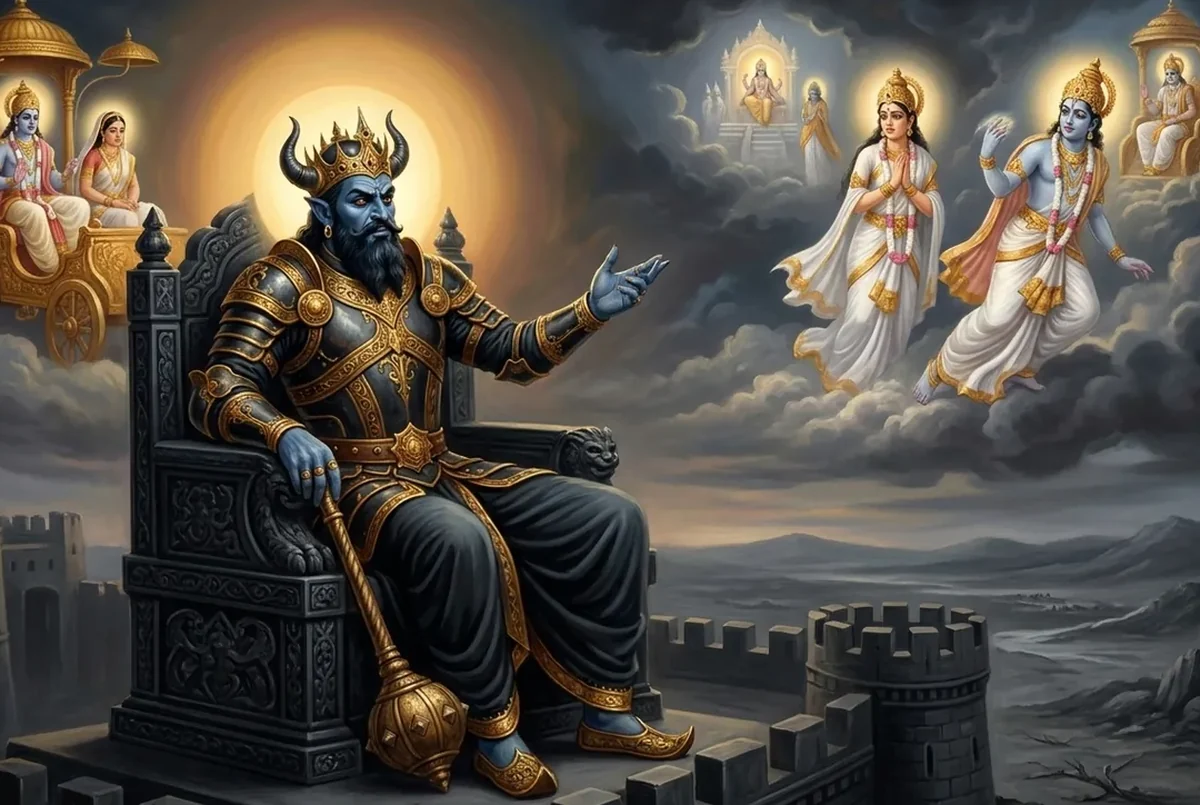
Kolhasur drove the gods from their places and declared himself sole master of the land. Some versions of the story say he even demanded that the goddess leave, and that she waited patiently for the right time. When his cruelty passed all bounds, the gods and sages together took refuge with the Mother of the world and prayed, Mother, free your beloved Karvir from this demon.
Hearing their call, Mother Mahalakshmi came to the battlefield riding her lion. With her came her companions and helping powers, Tryamboli Devi foremost among them. Kolhasur threw his whole army against her, and a fierce battle followed. Before the Mother's radiance his forces fell one after another, until at last Kolhasur himself stood before her.
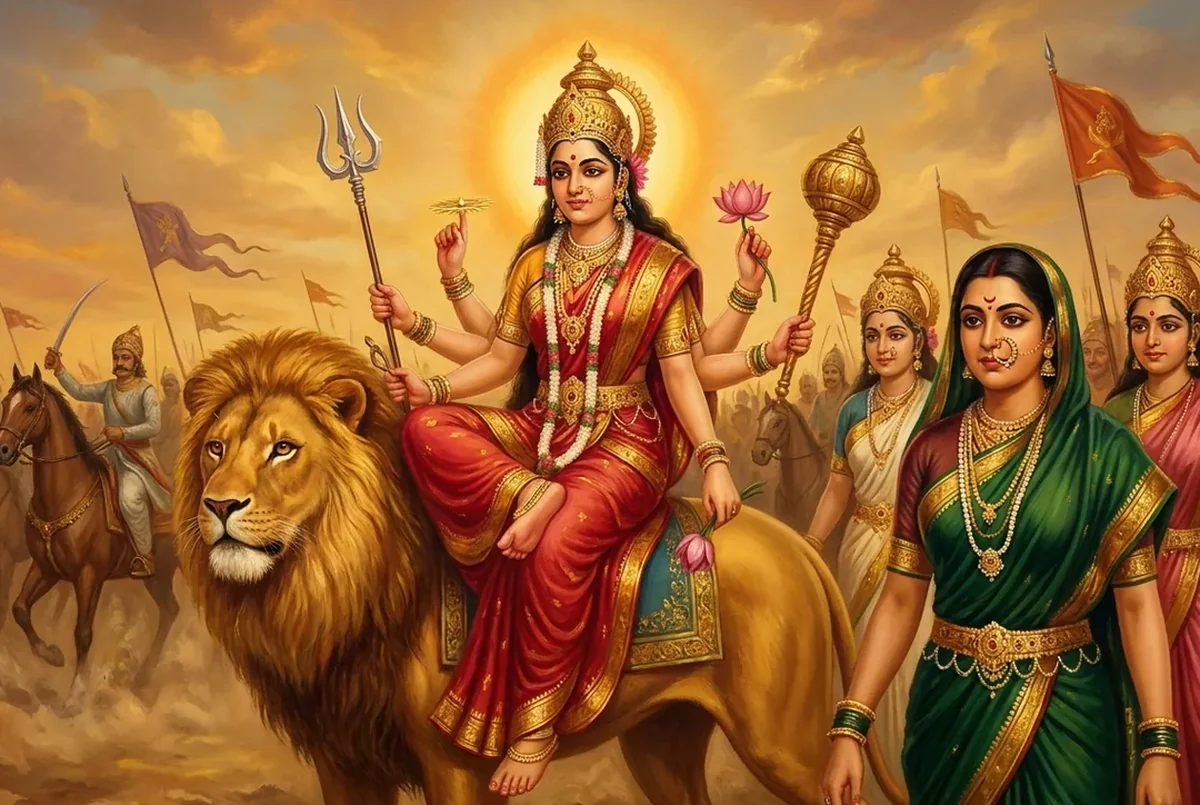
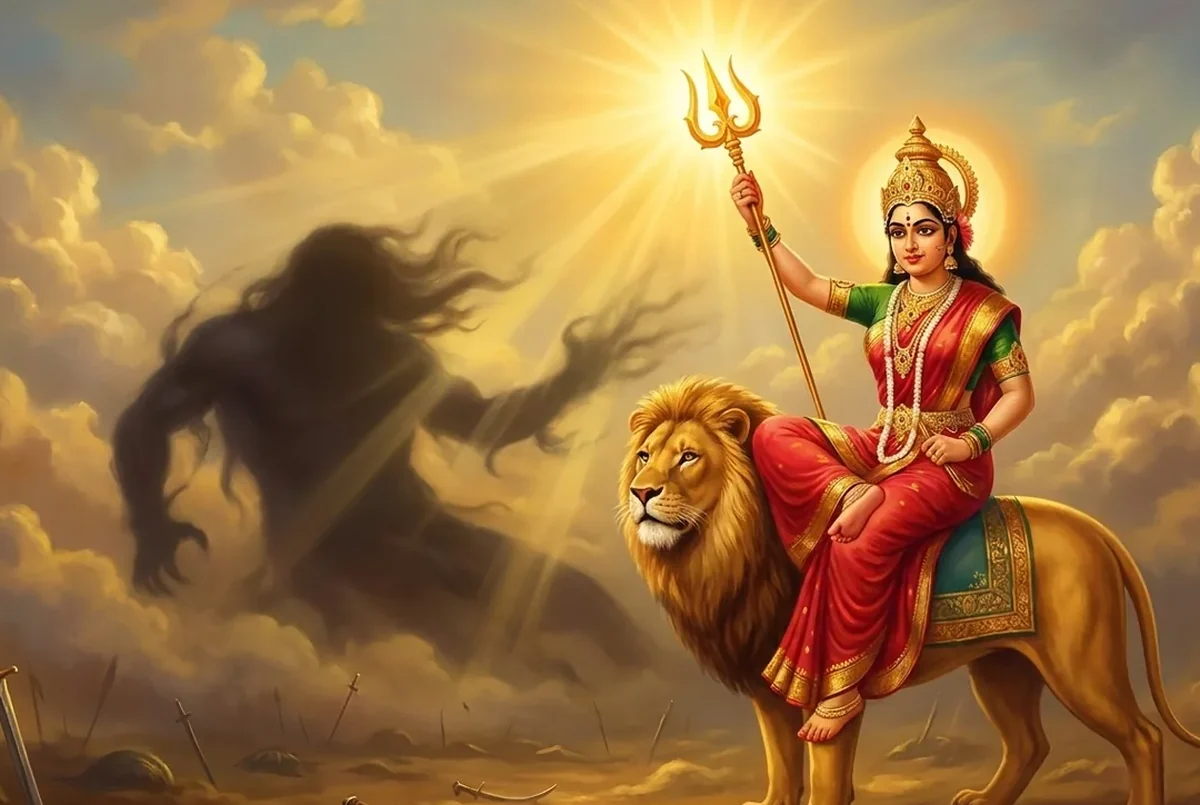
On Ashwin Shukla Panchami the Mother struck Kolhasur down with her trident. As he fell, all his pride melted away and he bowed at her feet. He said, Mother, I have done great wrong, but I am blessed to find release at your hands. I have one request: let this city be known by my name, and let it become a place of pilgrimage. The compassionate Mother granted even her enemy's last wish. From then on the city was called Kolhapur, and the Mother remained there as Karvir Nivasini.
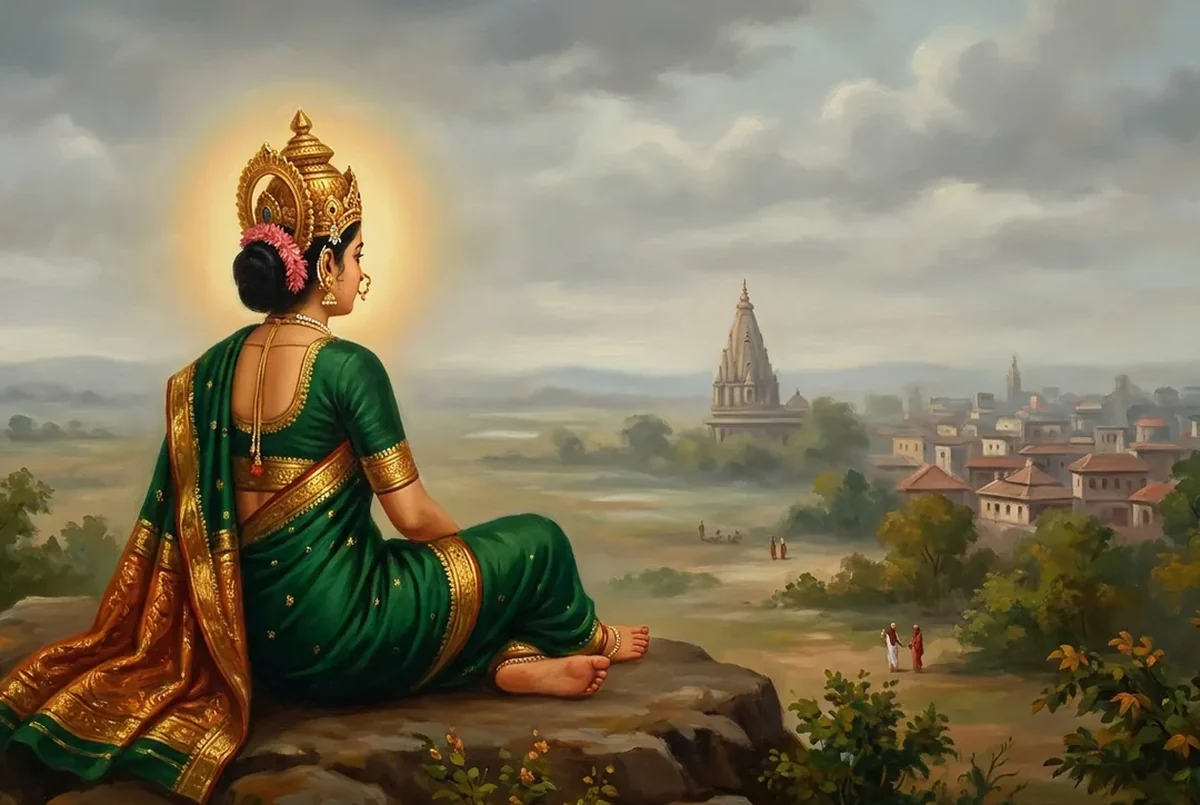
It is said that at the victory celebrations Tryamboli Devi felt she had not been given her due honour. Hurt, she went and sat on a hill to the east of the city, with her back turned to Ambabai. To win back her sister, every year on Lalita Panchami Ambabai's palanquin goes to Tryamboli's hill. There a young girl pierces a kohla, an ash gourd, as a sign of Kolhasur's end, and the two sisters meet once more.
Ambabai's temple is still the heartbeat of Karvir. Devotees throng all year to see the Mother, who faces west, and on a few days each year the rays of the setting sun reach into the sanctum and travel from her feet to her face; this is called Kiranotsav. At Navratri her palanquin goes out and her name is on every lip. For her devotees Ambabai is not only a goddess of wealth. She is the Mother who becomes strength against injustice, and who shows compassion even to her enemy.
Source
The Karvir Mahatmya and the living tradition of the Kolhapur temple. The Kolhasur story is told in several versions, and the story of Tryamboli Devi is local folk tradition.