
Tulja Bhavani: Tvarita, the swift mother: Tulja Bhavani and the demon Kukur
Tuljapur, Maharashtra
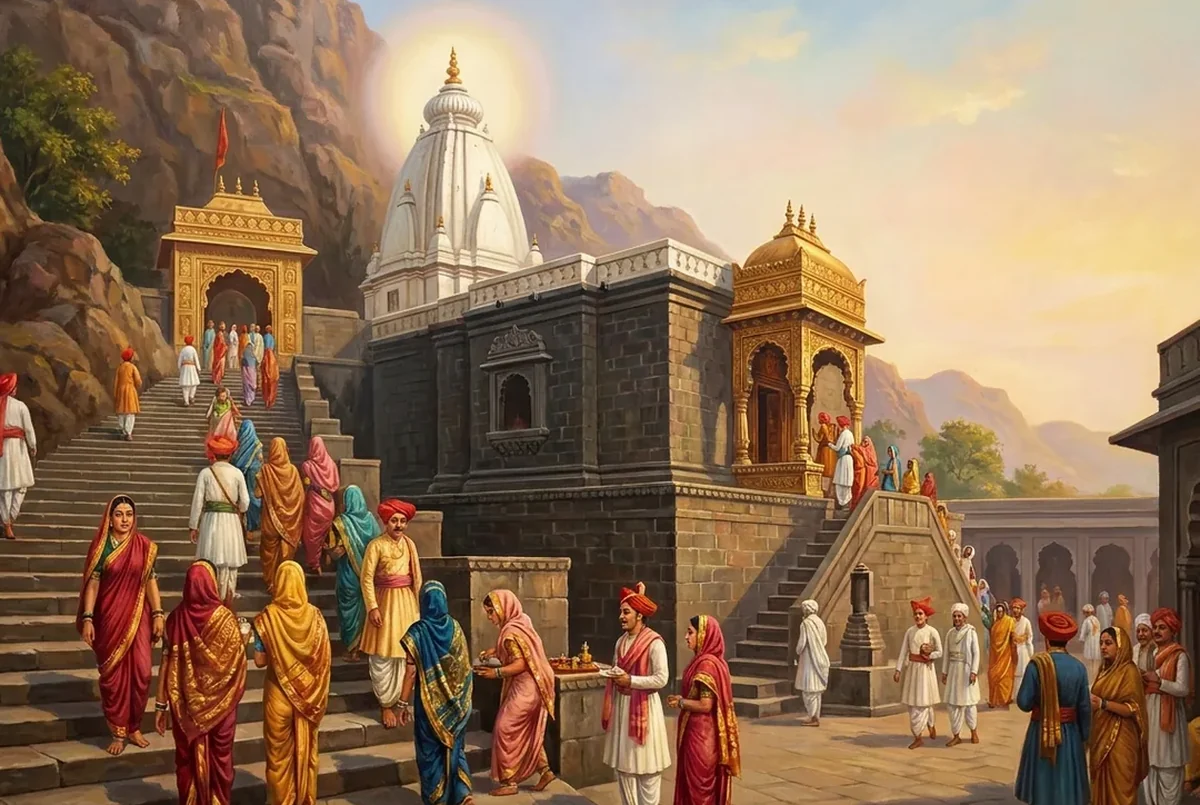
Tulja Bhavani is honoured as the kuldevi of Maharashtra, and her ancient temple stands among the Balaghat hills at Tuljapur in Dharashiv district. She is a form of Durga, eight-armed, the slayer of Mahishasura. Her name recalls the story of how she came swiftly when a devotee called out to her.
Long ago there lived a sage named Kardam. His wife Anubhuti was gentle, good and devoted to dharma, and they had a little son. One day the sage suddenly passed away, and Anubhuti's world fell apart. She no longer wished to live without her husband, but the sages counselled her that her small son still needed his mother, and that her life could be given meaning through tapas.
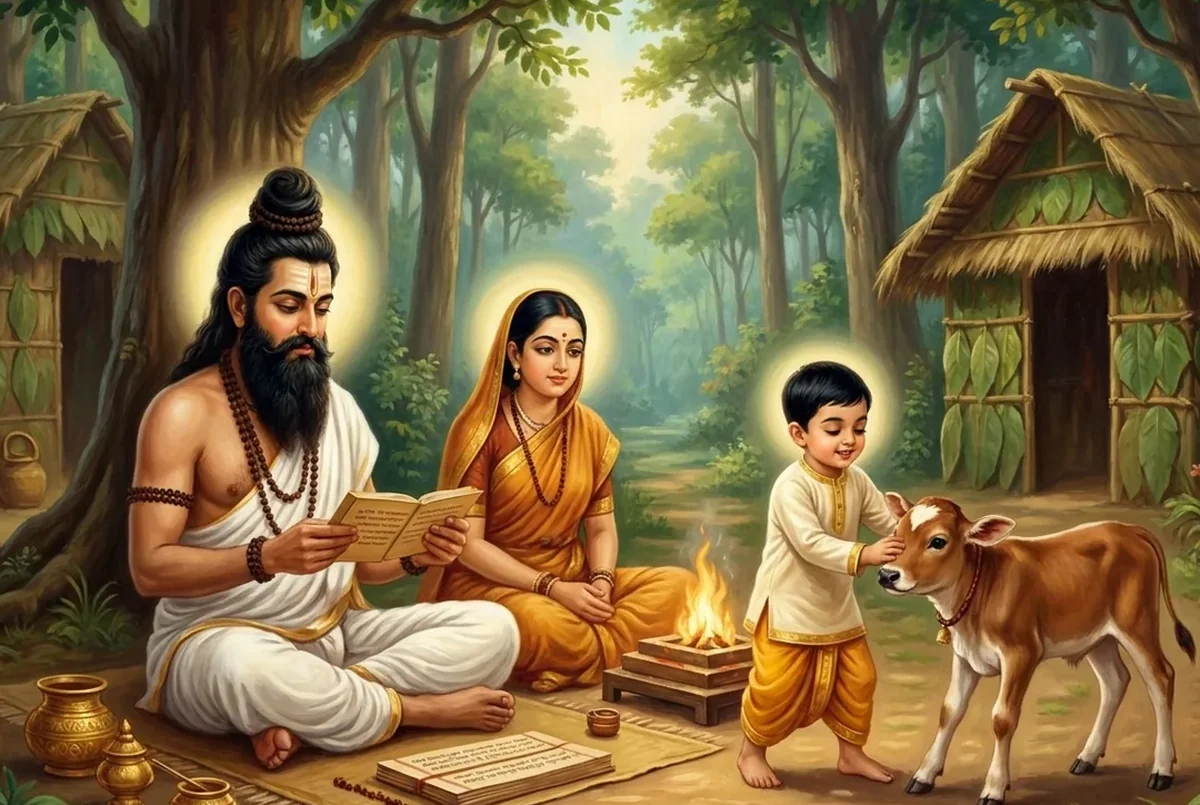
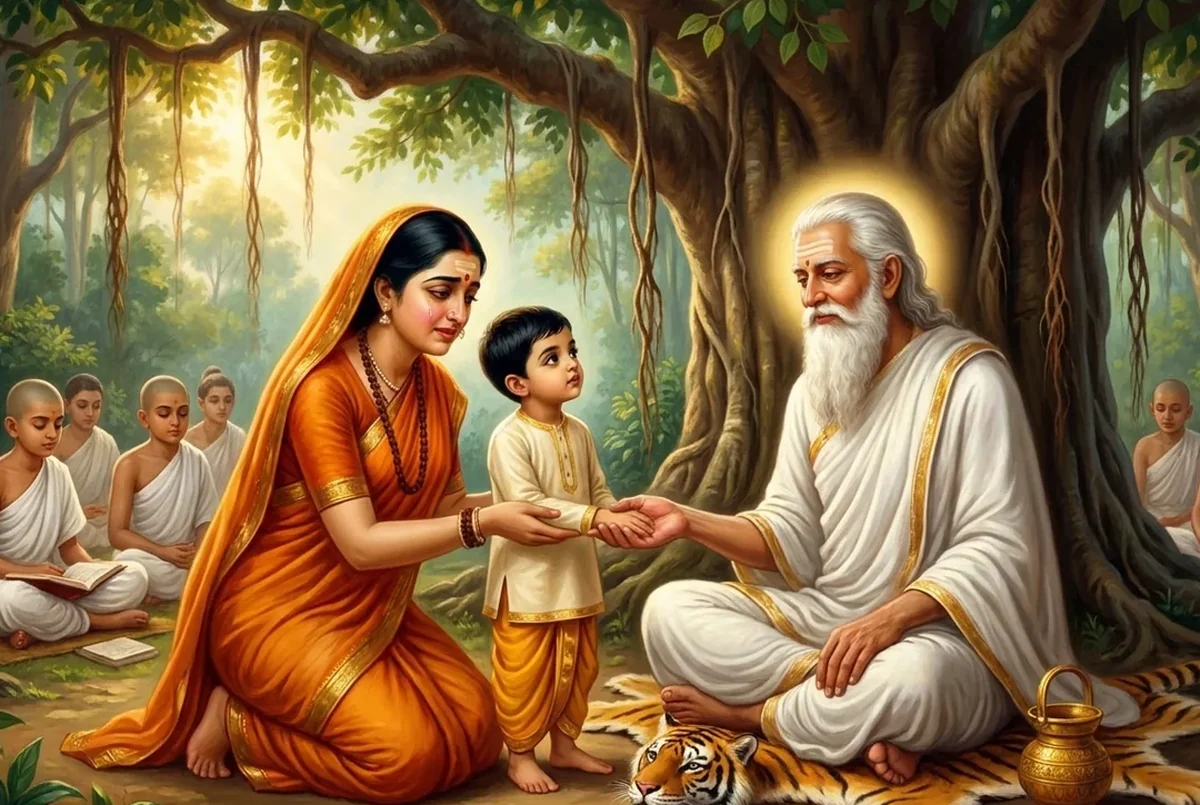
Anubhuti placed her son in the care of a guru and built a small hut beside the Mandakini river, where she began her tapas to the Adi Shakti, the primal Mother. Her prayer was simple: Mother, protect my child and keep me on the path of dharma. Days turned into years. Her tapas made her face calm and radiant, and the forest around her seemed to grow holy with her prayer.
A demon named Kukur roamed that same forest. When he saw Anubhuti lost in meditation, wicked desire rose in him. Again and again he tried to break her meditation, to frighten her and bring her under his power. One day, when he tried to force her from her tapas, Anubhuti, alone and unarmed, closed her eyes and called out with complete faith, Mother Jagadamba, my honour is in your hands now.

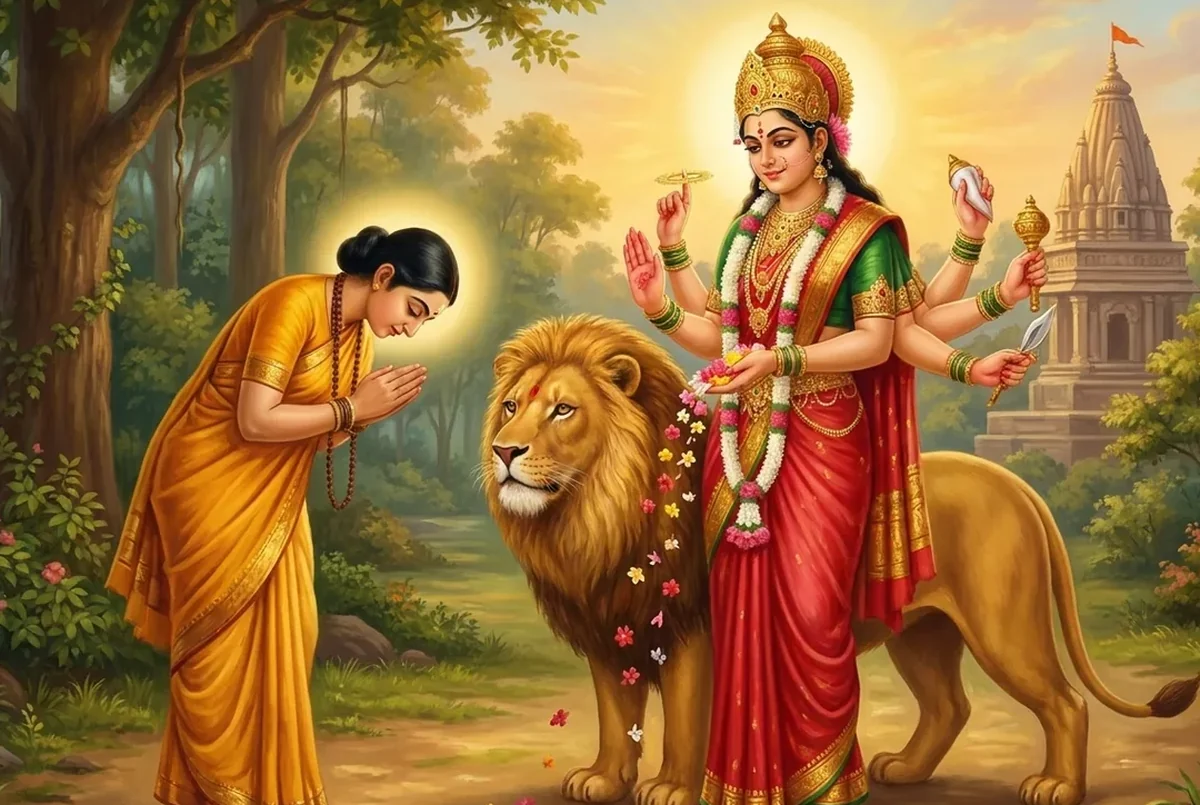
Before her cry had even ended, light filled the forest. Riding a lion, with weapons in her eight hands, the goddess Bhavani appeared. Kukur first challenged her in his arrogance, then took the form of a buffalo and charged at her. But he was no match for the Mother. With her trident the goddess ended him, and peace returned to the forest.
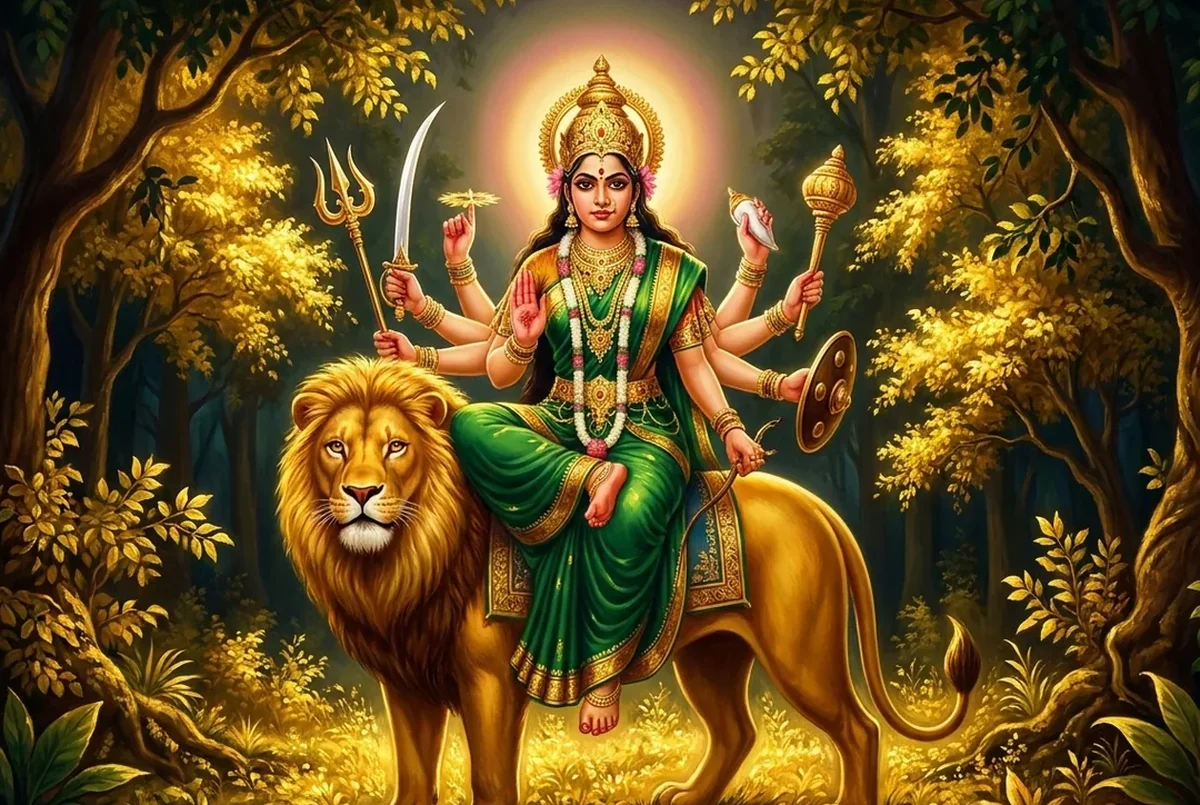
Anubhuti fell at the Mother's feet and said, Mother, you came at once, the way a mother runs at a single cry from her child. Please stay here on this hill, so that whoever calls you in trouble may find the same shelter. The goddess, pleased, granted her wish and made the place her home. Because she came swiftly, tvarit, at her devotee's call, she was called Tvarita; over time the name became Tulja, and the place Tuljapur.
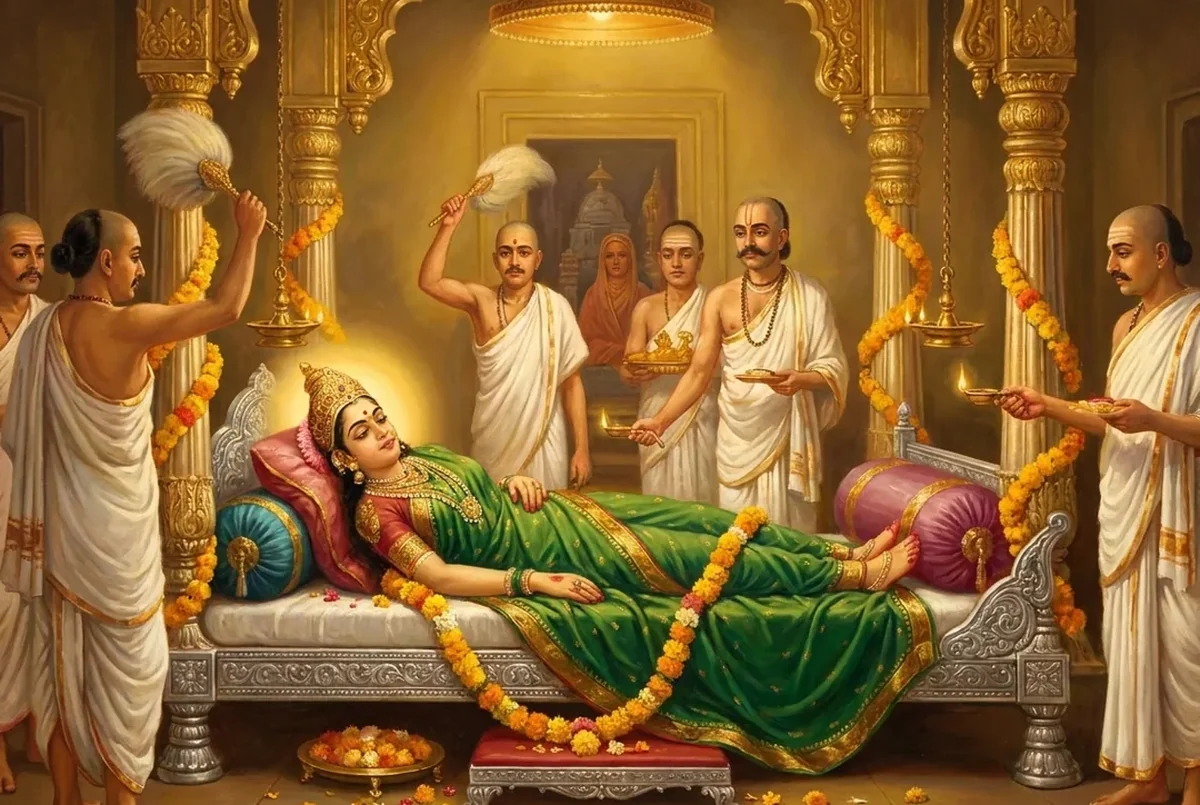
At Tuljapur the goddess is still served as a living mother. By temple tradition, before Navratri her image is laid to rest on a bed for some days, a rest called manchaki nidra, and at Ghatasthapana she returns to the sanctum. After the battle of Dussehra the weary Mother rests again for a few days. For her devotees this is more than ritual; she is a mother who fights, grows tired and rises again for her children.
It is widely held in Maharashtra that Chhatrapati Shivaji Maharaj was a devoted worshipper of Tulja Bhavani, and popular tradition remembers his sword by the name Bhavani. To this day families sing her jogwa, perform the gondhal and fill the air with the cry Aai Raja Udo Udo. The story remembers the Mother as one who does not delay when a sincere heart calls.
Source
The story of Anubhuti and the demon Kukur is the temple tradition of Tuljapur, which links it with the Skanda Purana; other legends of the goddess are also told. Shivaji Maharaj's devotion to her is a widely held Maharashtrian tradition.