
Shani Shingnapur: The village whose houses have no doors
Shingnapur, Ahmednagar, Maharashtra
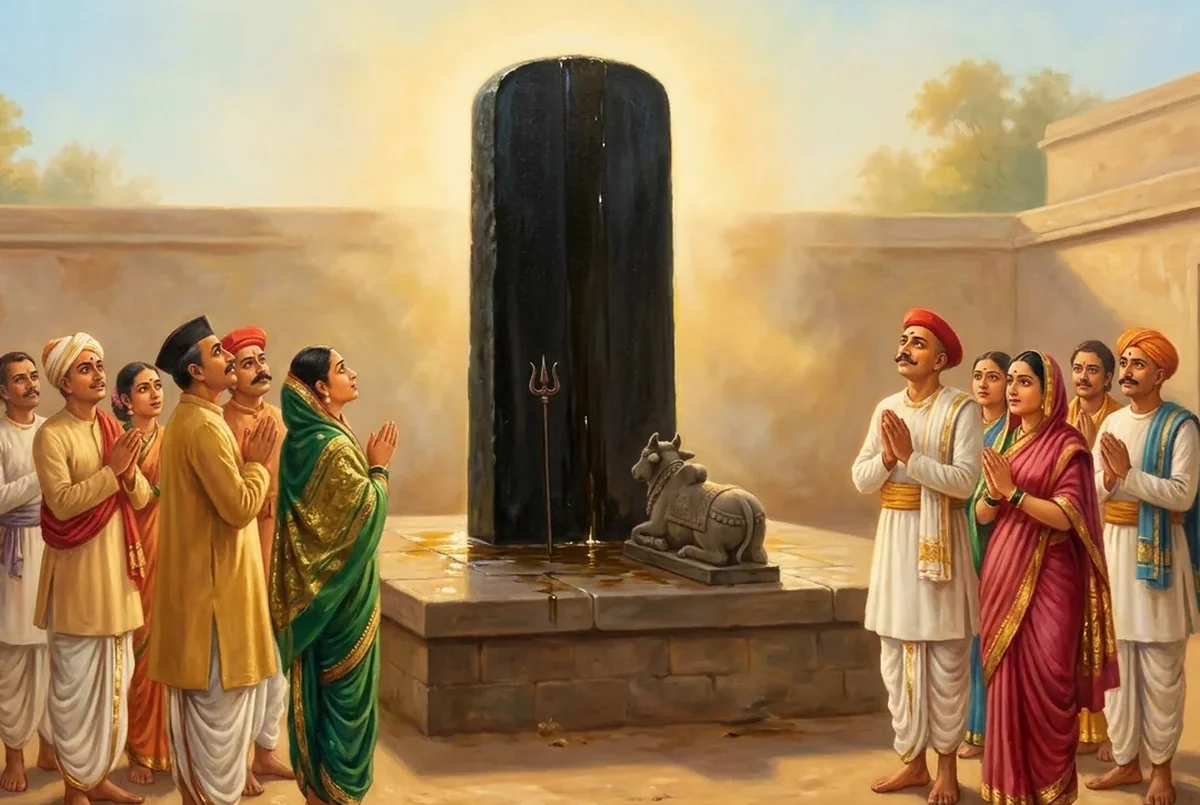
Shingnapur village in Maharashtra's Ahmednagar district is known for a shrine of Shani where there is no roof and no carved image, only a tall black stone standing on an open platform. The village's best known mark is that its houses have door frames but no doors and no locks. People hold that this custom comes from a promise once given by Shanidev.
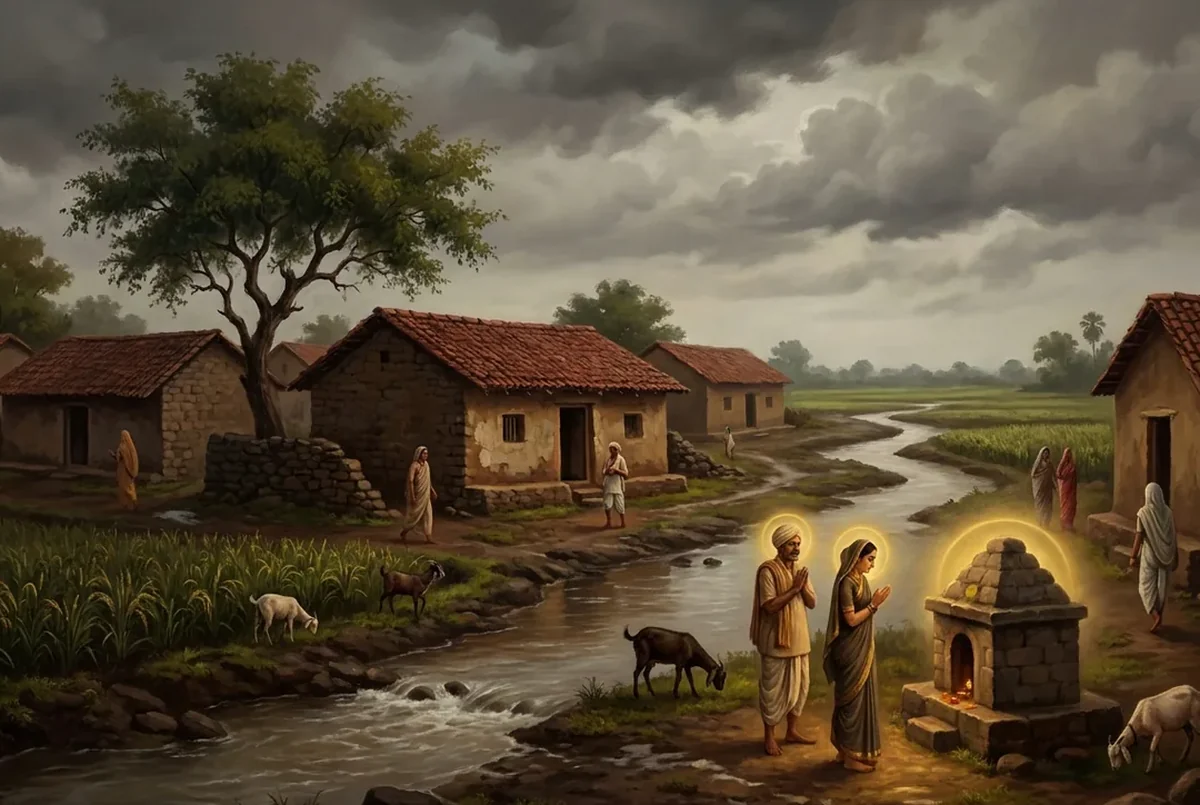
This is a story from long ago. Shingnapur was then a small village set among fields of black soil, with a rain stream called the Panasnala running past it. One year the rain came down so hard that the stream broke its banks. When the water went down, people saw a great black stone caught in the bed, of a kind found nowhere in that country.
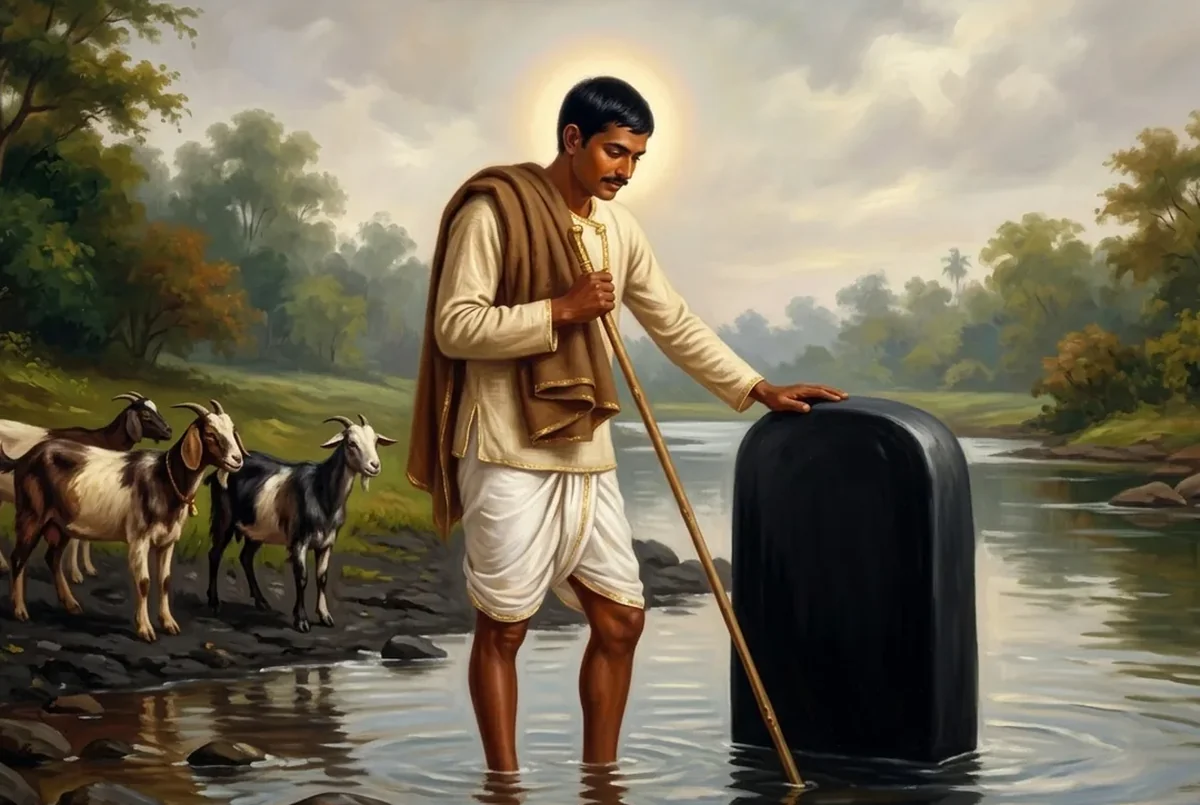
A young shepherd, out of curiosity, set the tip of his staff against the stone. It is said that from that spot a red stream began to flow. The shepherd took fright and ran to fetch the village. Everyone stood at a distance and looked, and no one had the courage to touch the stone.
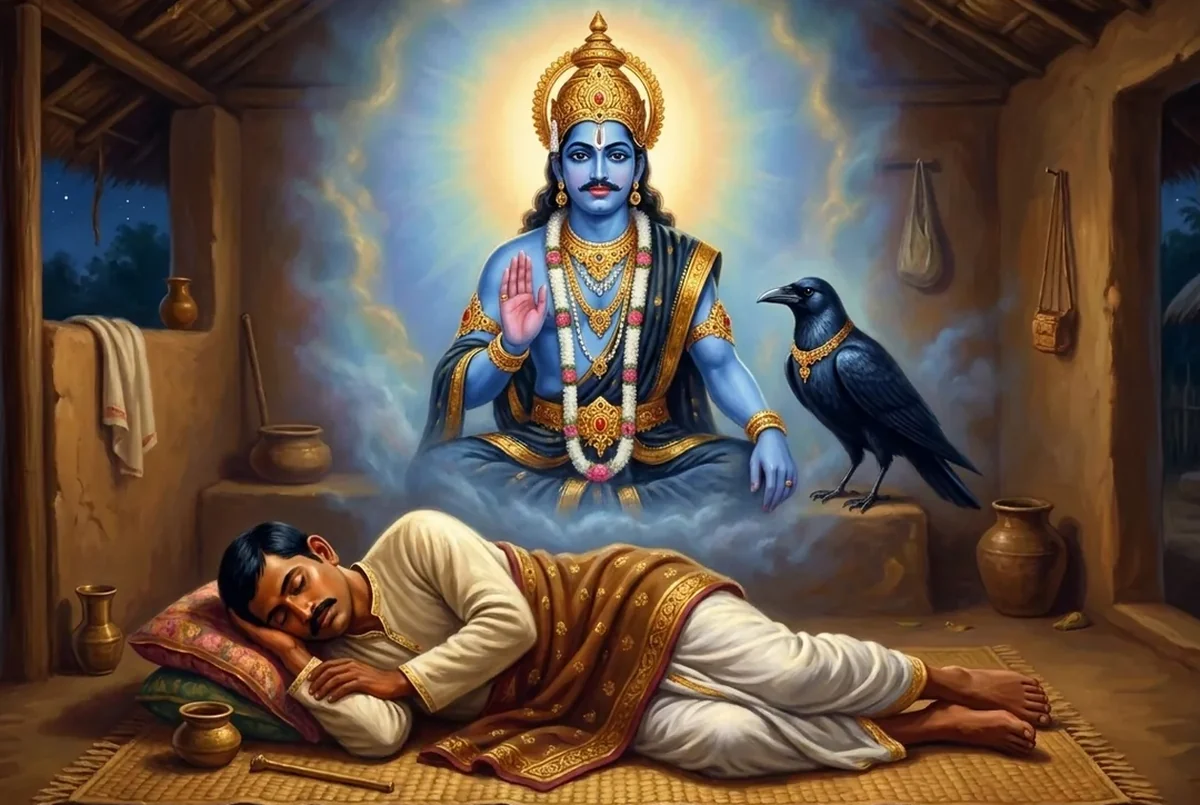
That night a shining form came to the shepherd in a dream and said, do not be afraid; I am Shanaishchara, and this stone is my self-manifested form. Do not leave me in the stream bed; take me into your village. When he woke, the shepherd was trembling, but no doubt was left in his mind.
In the morning he told the villagers everything. They asked what kind of temple they should build, and he repeated the answer he had been given. Shanidev had said, build me no roof, for the whole sky is my roof. Let me stay in the open, in open sun and open rain, where anyone who comes can see me with nothing in between, and pour oil over me every Saturday.
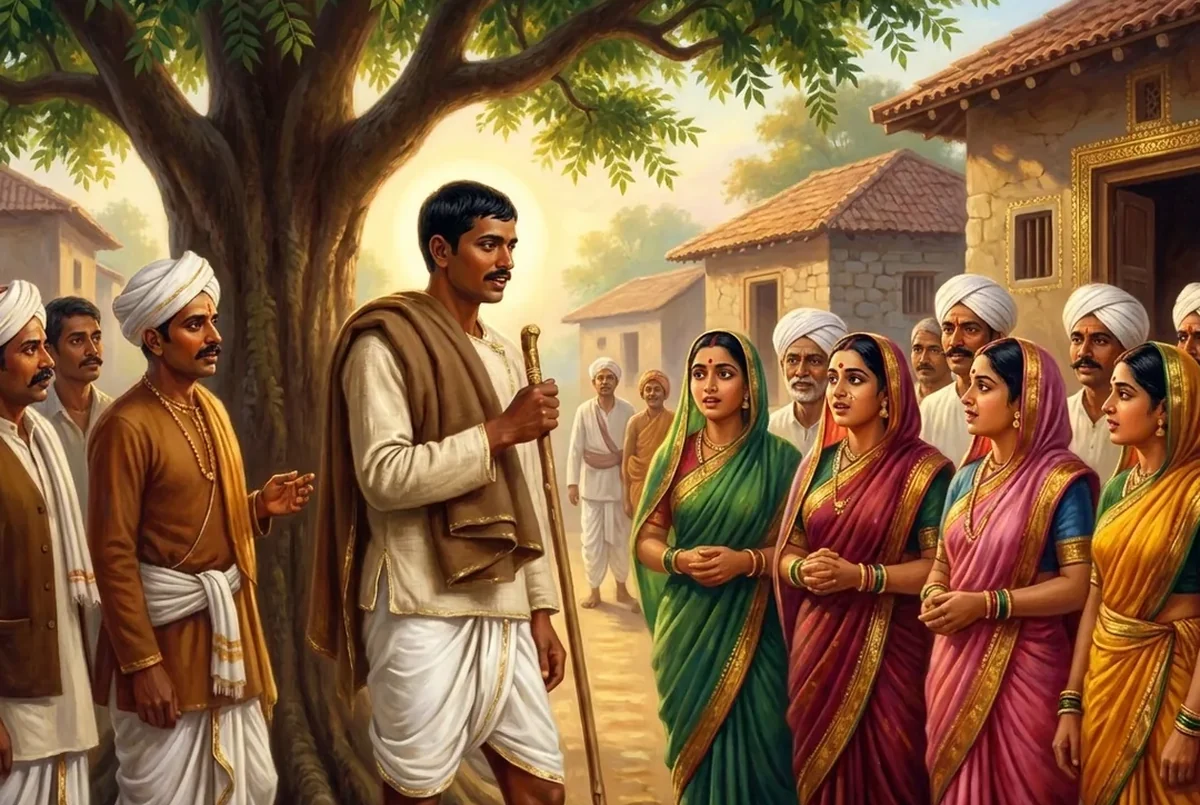
And a promise was given too: as long as I stand here in the open, this village will have no fear of thieves. The villagers did not take that promise as mere words; they built their lives around it. From that day to this, the houses of Shingnapur have door frames but no doors, cupboards are left without locks, and the shops keep the same custom. In 2011 a bank branch opened here whose main door carries no lock, and it was called the first of its kind in the country.
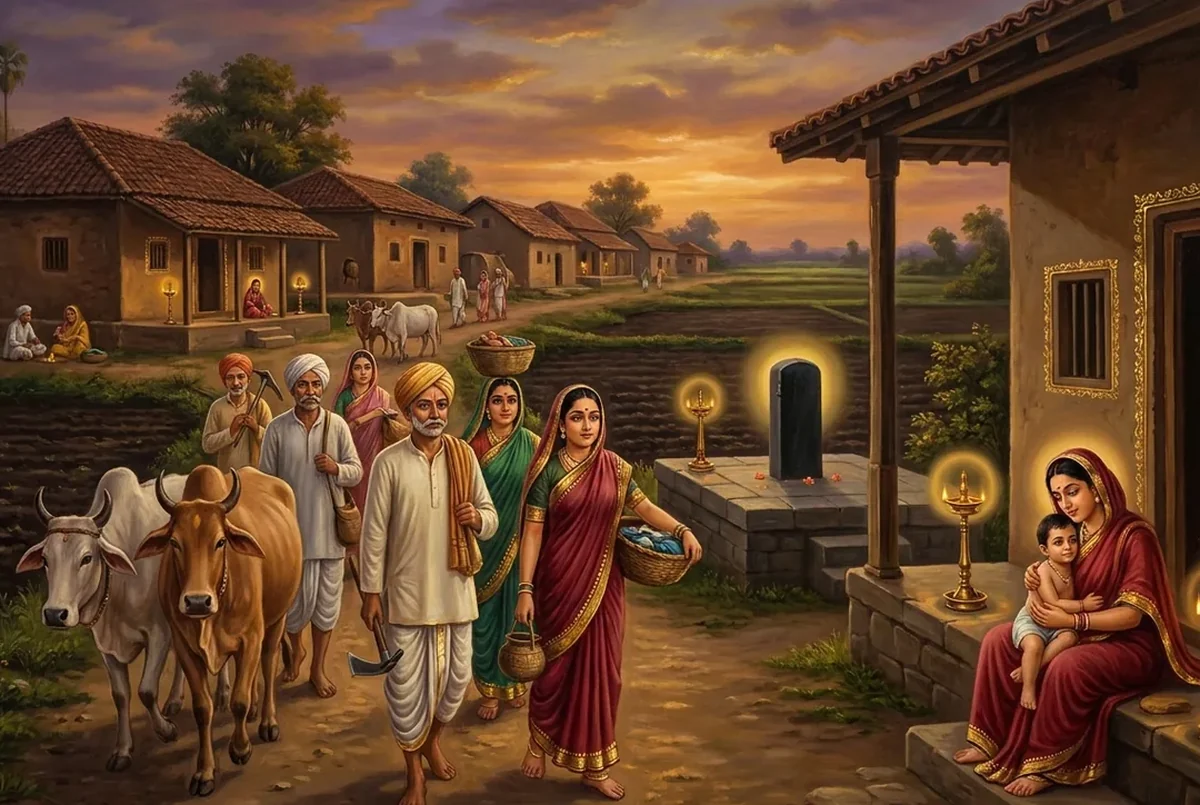
Shani's seat is still as open as it was. A black stone about five and a half feet high stands on a platform, with no face or limbs carved on it, and a trident and a Nandi before it. An old neem tree grows close by, and the villagers say that any branch which grows out far enough to shade the stone at noon falls of its own accord.
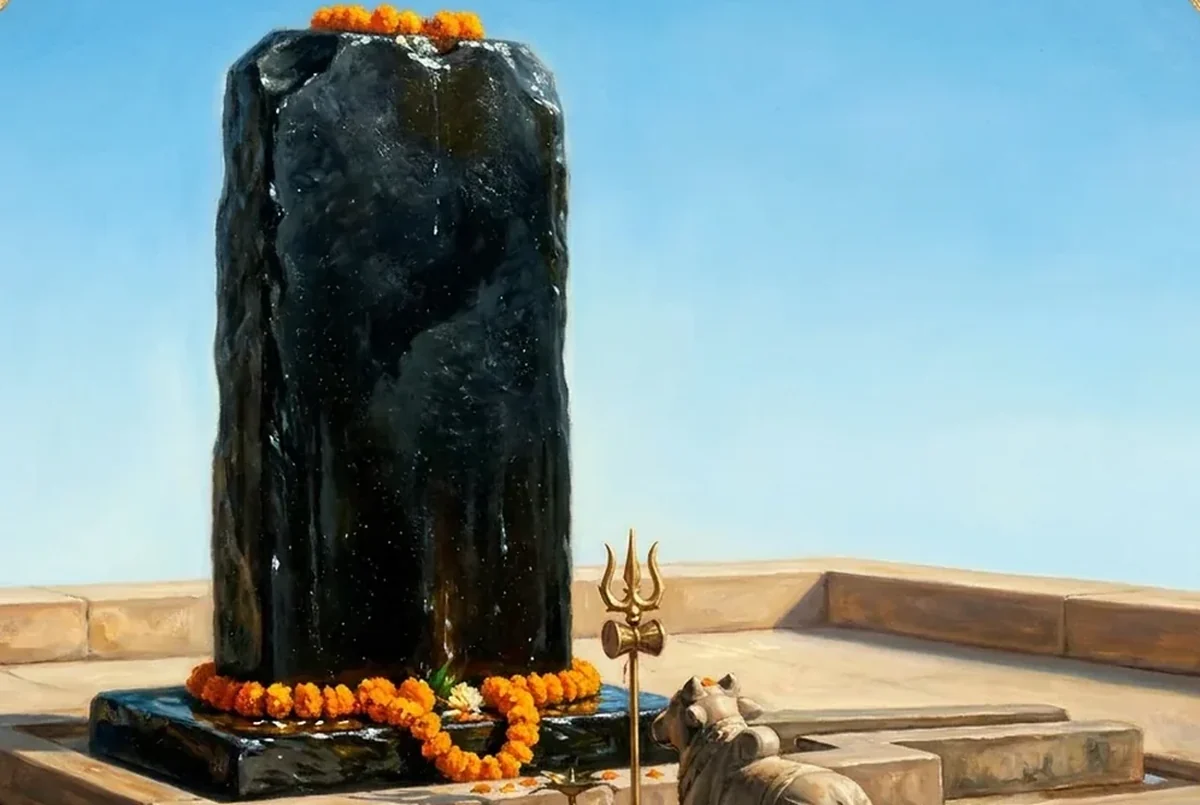
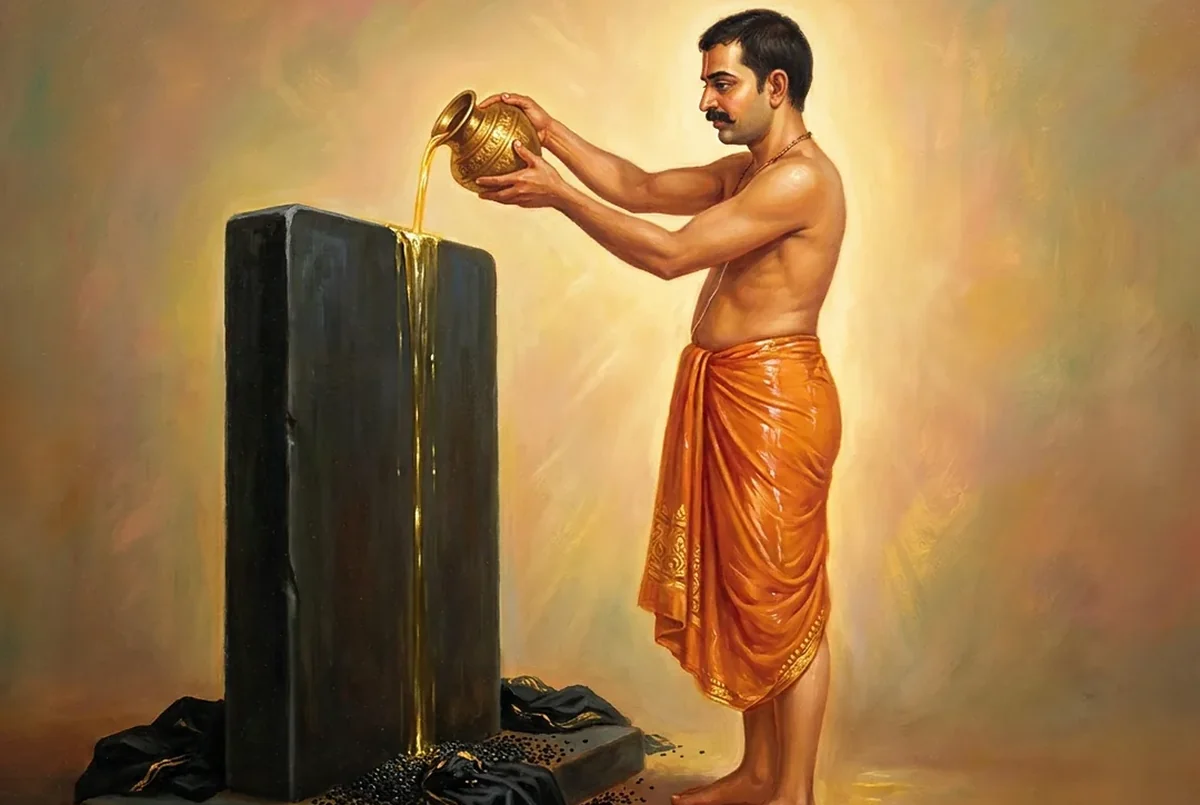
Every Saturday sesame oil is poured over the stone, and black cloth and black sesame are offered. On Amavasya and on Shani Jayanti lakhs of people come, and they bathe before going up for darshan. Devotees hold Shani to be the deity of justice, the stern teacher who takes no one's side and gives each person exactly the fruit of their own deeds. People come here not to escape their karma but to ask for the strength to face it.
The villagers say theft simply does not happen here, though the truth is that a stray incident has been reported now and then. Even so, the custom of keeping no doors has not broken in generations, because for the village it is not a security arrangement but a promise being kept. That is what the story of Shingnapur says: where trust itself stands guard, there is less need of a lock.
Source
Puranic stories about Shani are found in various texts, but the finding of the stone at Shingnapur, the shepherd's dream and the roofless shrine belong entirely to Maharashtra's folk and temple tradition; no Purana mentions them. The doorless houses and the lockless bank branch opened in 2011 are facts on record in news reports, while the claim that no theft occurs in the village is folk belief, and exceptions have been recorded. Several versions of the story are told.