
Siddhivinayak: Deubai's wish and the Siddhivinayak of Prabhadevi
Prabhadevi, Mumbai, Maharashtra
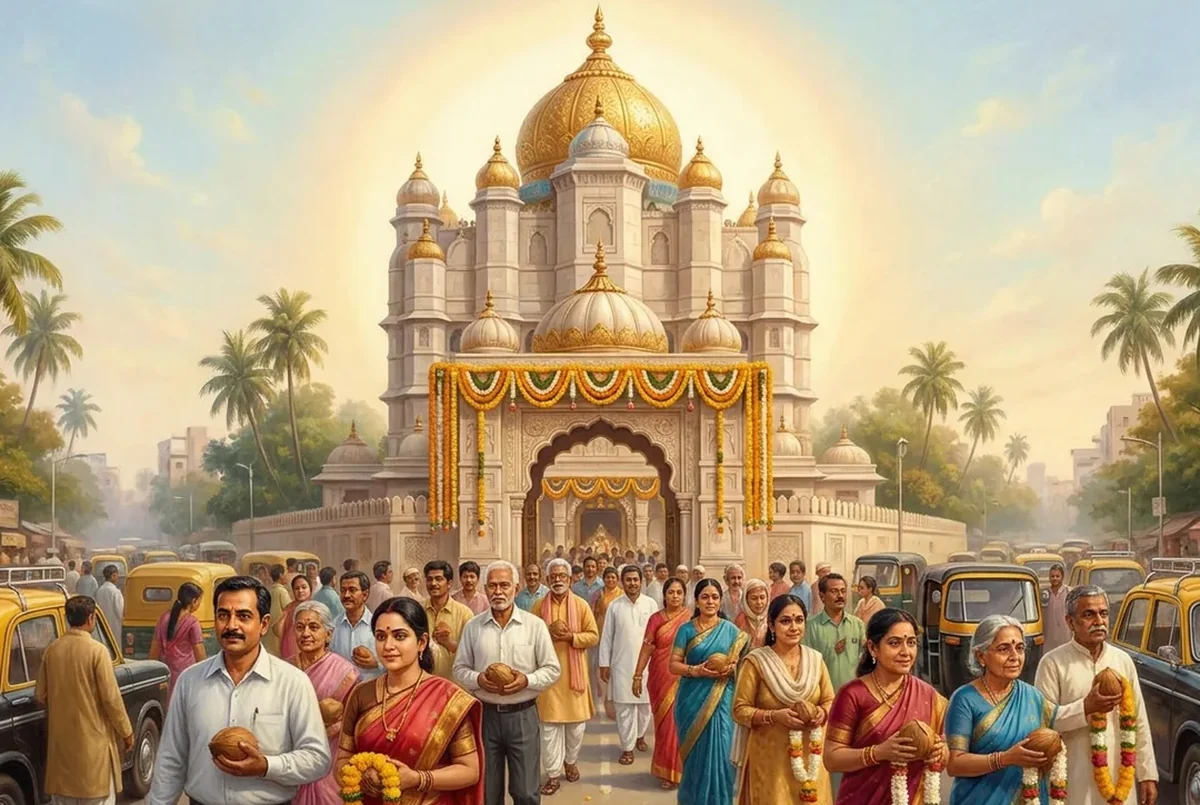
At Prabhadevi in Mumbai, Shree Siddhivinayak is lovingly called navsala pavnara Ganpati, the Ganpati who answers a vow. The black stone image here has its trunk turned to the right, which very few temples have. The shrine was founded on the nineteenth of November, 1801, by Laxman Vithu Patil and his wife Deubai Patil, and behind it lies one woman's very simple, very large wish.
Where the crowds on Mumbai's roads never thin today, two hundred years ago there were seven separate islands with sea water moving between them. Prabhadevi was then a small settlement of fields and fishing families, where the sound of the waves carried clearly in the evening. In a well-off Agri household there lived Laxman Vithu Patil and his wife Deubai. The family had money, land and standing in the village, but Deubai had no child.

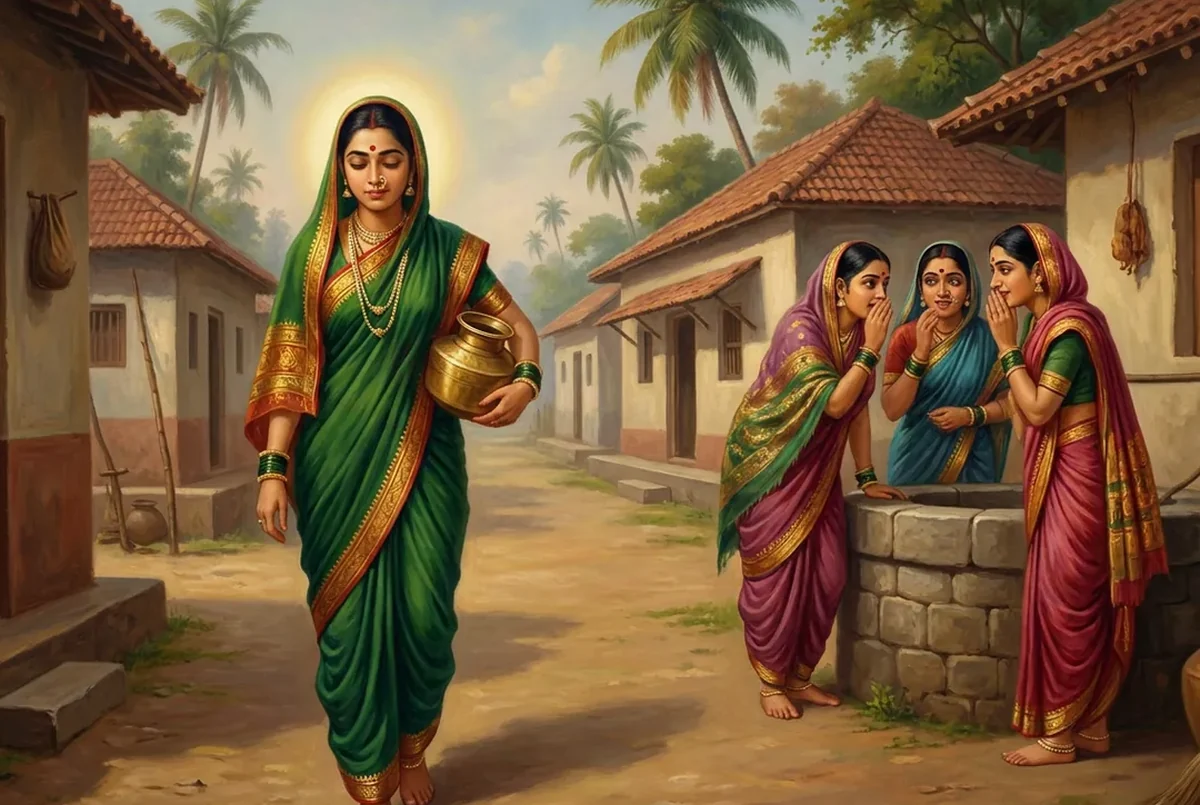
In those days childlessness left a woman very alone, and people's talk only deepened that loneliness. Deubai bore all of it quietly, and yet no bitterness entered her. She thought only this: let the pain she had known not fall to another woman. With that one thought she gave her wealth for a temple to Ganpati Bappa, wishing that any woman who came there and asked for a child would go home with her arms full.
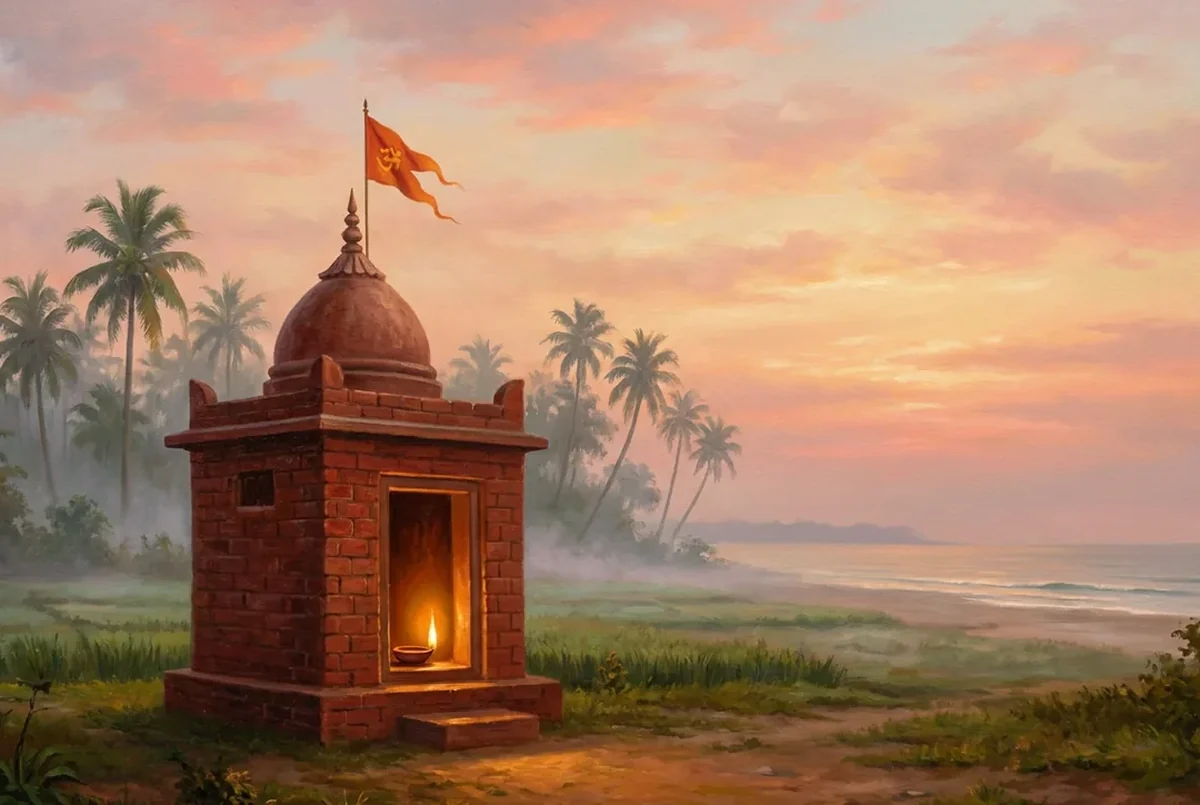
On the nineteenth of November, 1801, the shrine was ready. It was no grand building, only a small square room of brick with a dome-like spire above it. Inside, an image of Ganesha in black stone was installed and the first puja was offered. The name of the woman who had it built was not carved anywhere in large letters.
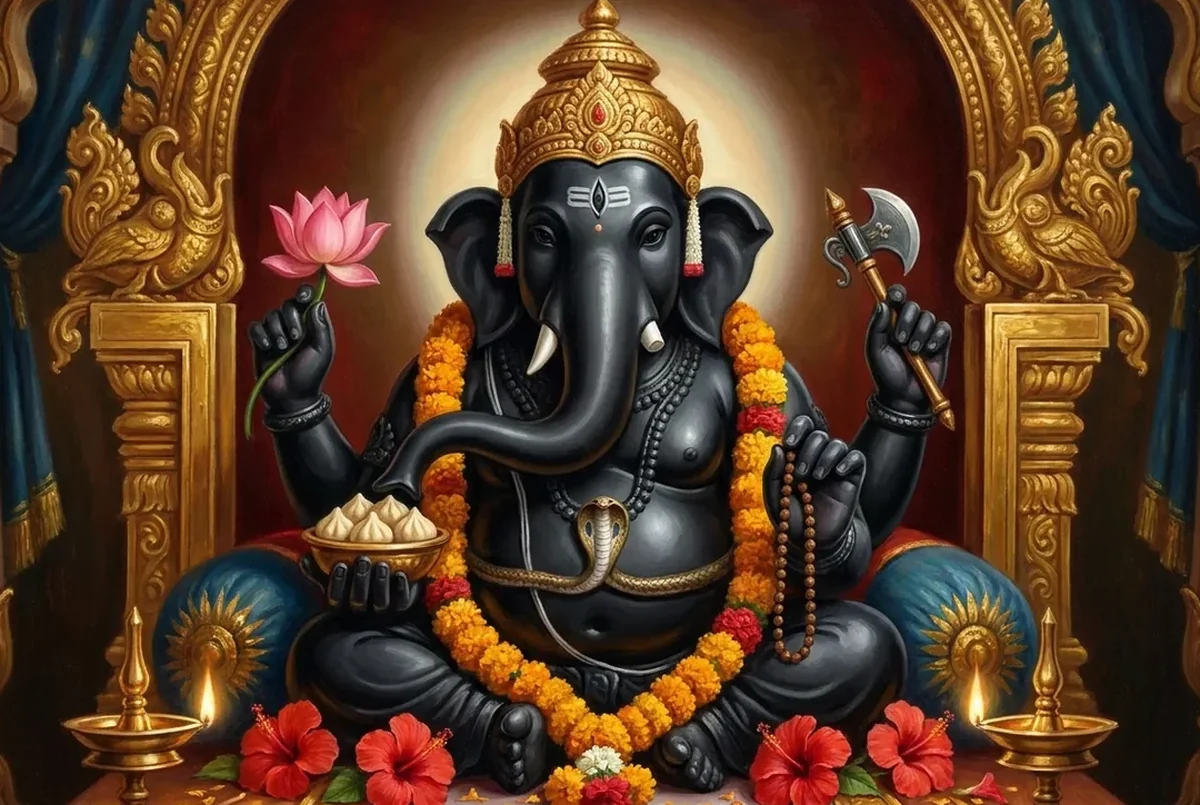
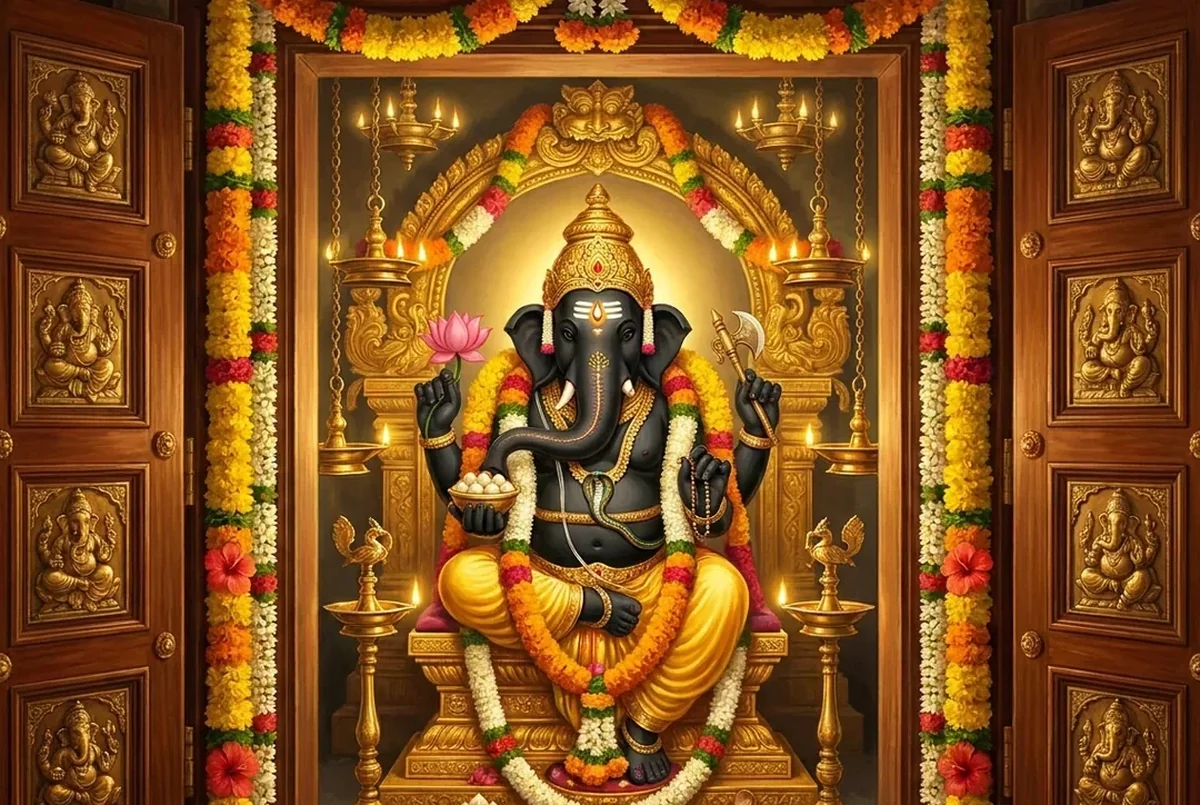
The image is cut from a single block of black stone and stands about two and a half feet high. Its trunk curves to the right, while in most images of Ganesha the trunk turns left, and in Marathi such a form is called ujavya sondecha Ganpati. The four hands hold a lotus, an axe, a rosary and a bowl of modak; a serpent is wound from the shoulder across the body like a sacred thread; and there is a further eye on the forehead. Riddhi and Siddhi look out from either side, and it is from them that Bappa is called Siddhivinayak here, the Vinayak who brings what is asked to fruition.
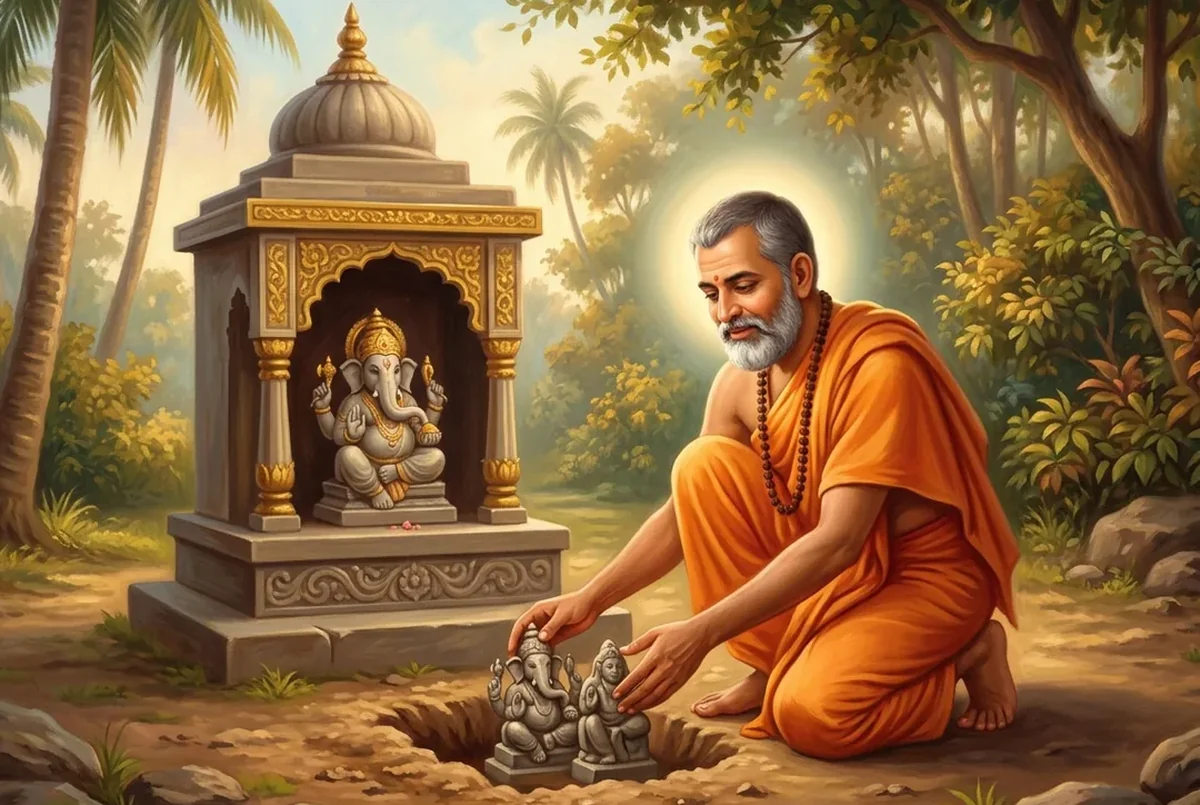
The people there tell one more story of the temple. Ramakrishna Jambhekar Maharaj, a disciple of Swami Samarth of Akkalkot, buried two images in the ground before Ganesha on his guru's instruction. Swami Samarth had said that twenty-one years later a mandar (white arka) tree would rise from that very spot, with a self-manifested Ganesha showing in its branches. Devotees say that when the time came it happened just so, and the place is still looked upon with reverence.
Over two hundred years the small brick room changed by degrees. As devotees grew, the roof of the sanctum was plated with gold, and the eight forms of the Ashtavinayak were carved on its wooden doors. Today it is among the most visited temples in the country, and much of what is offered here goes to the treatment of the sick and the schooling of children.
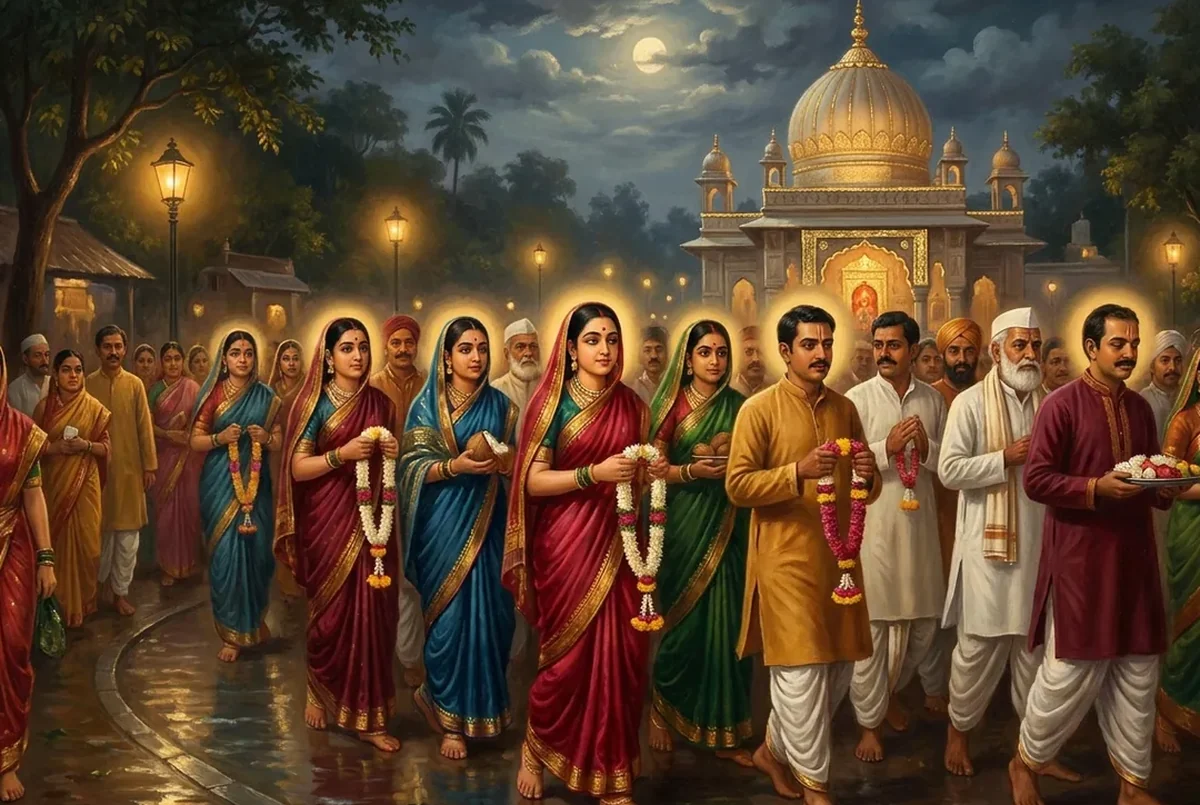
Tuesday is Bappa's day. The queue begins forming the night before, and a steady line of people walks barefoot from the Dadar side. Before an exam, on the first day of a new job, before a court date, at the start of a new venture, every kind of person in Mumbai comes here to bow. And those who have no time to stop simply fold their hands towards the gate as they drive past.
In all this crowd, very few people know Deubai's name. The woman who was not given the happiness of a child opened a door for everyone instead of asking anything for herself. Even now thousands of couples come with that same prayer and go back having offered a coconut. The story reminds us that whoever turns their own lack into a blessing for others keeps a lamp burning for centuries.
Source
That the temple was founded on 19 November 1801 by Laxman Vithu Patil and Deubai Patil is recorded in the temple's own account and in Mumbai's records. Deubai's childlessness, her wish to build for other childless women, and the episode of Jambhekar Maharaj and the mandar tree belong to the temple's and Prabhadevi's own tradition; they do not come from any Purana.