
Khandoba: Khandoba, Mhalsa and Banai
Jejuri, Maharashtra
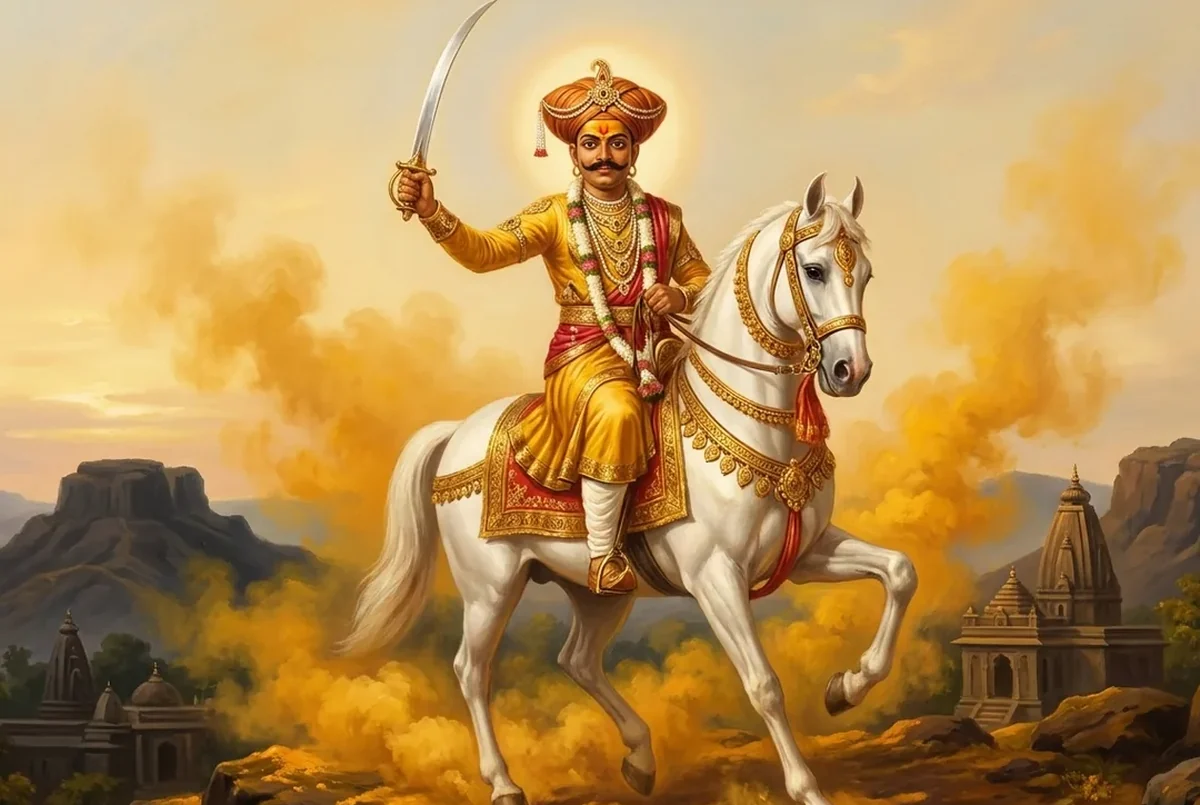
Khandoba, also called Malhari Martand and Khanderaya, is revered as a form of Lord Shiva and is the family deity of countless households in Maharashtra. His hill-fort temple stands at Jejuri near Pune, where devotees hail him amid clouds of yellow turmeric, the bhandara. This is the story of his two wives, Mhalsa and Banai.
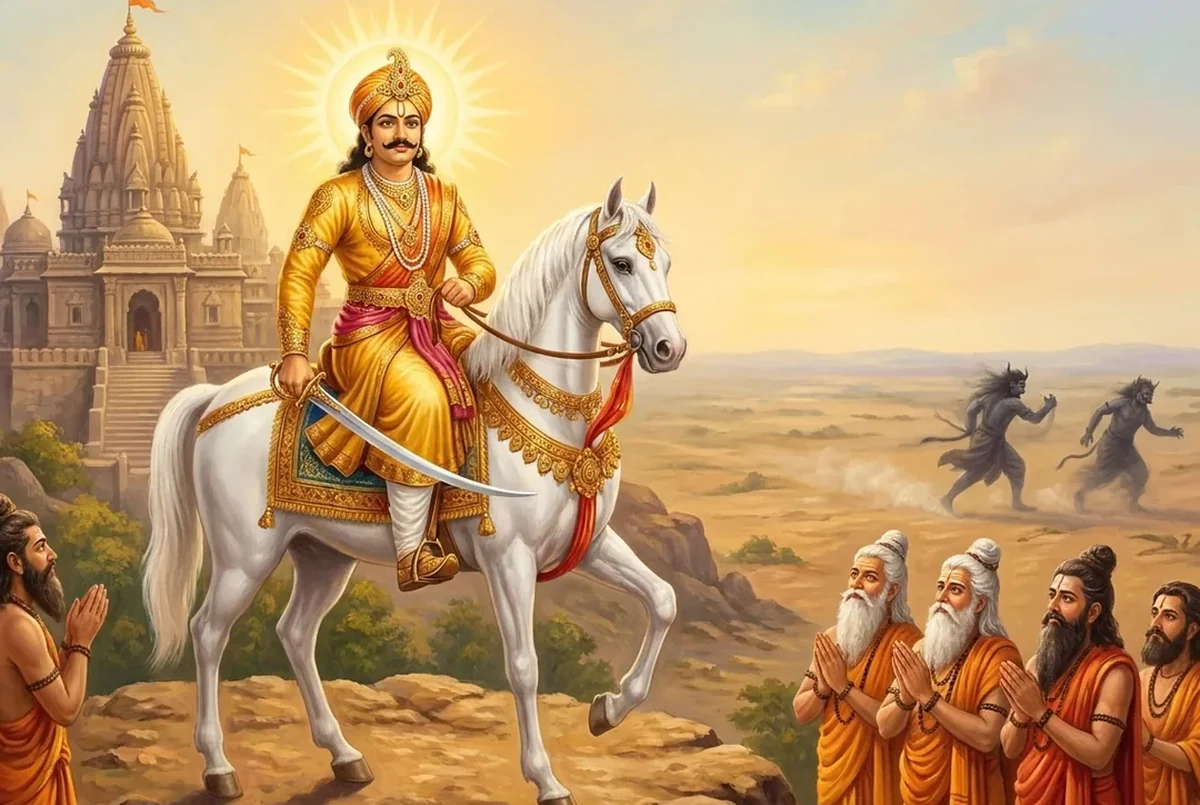
It is said that when two demons, Mani and Malla, began tormenting the sages, Lord Shiva took the form of Martand Bhairav and ended their tyranny; that victory is remembered separately at Champa Shashthi. Afterwards the Lord made Jejuri his capital and settled there as Khandoba, riding a horse, sword in hand, guardian of his devotees. But his story did not end there. Two goddesses came into his life, and their tale is sung in villages across Maharashtra.
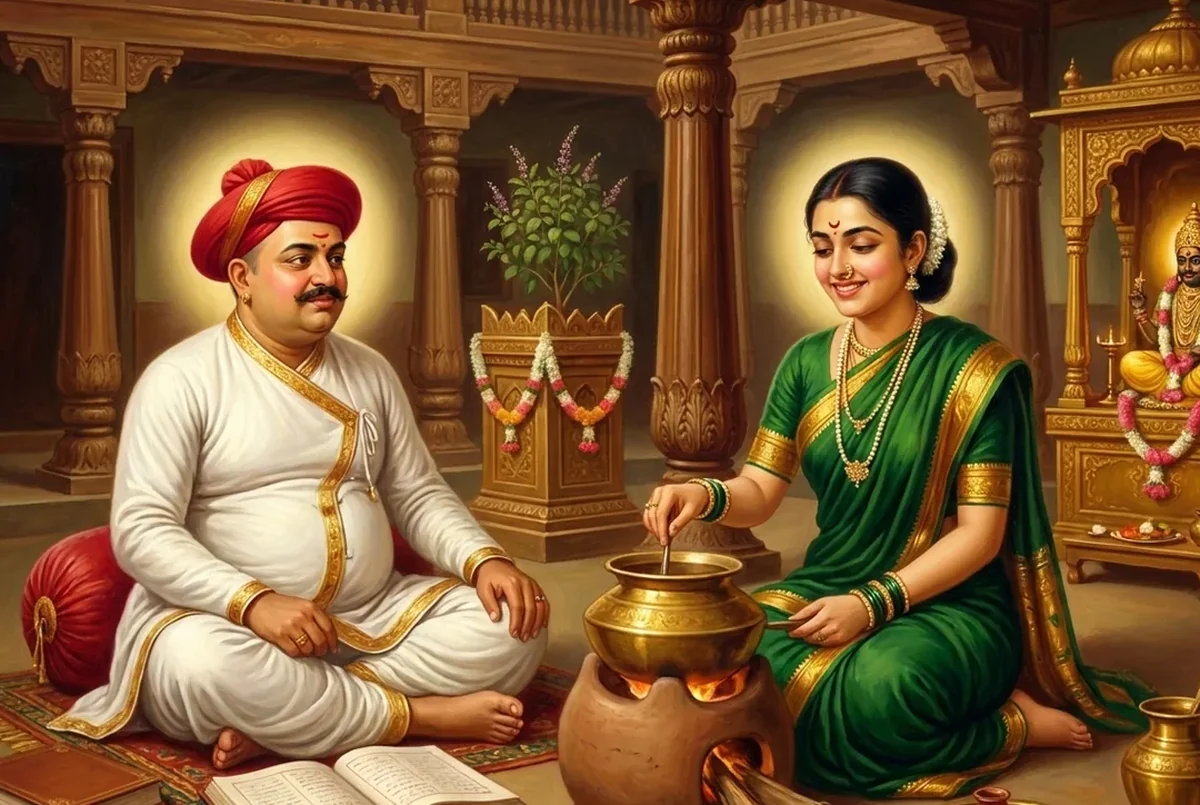
The first was Mhalsa. By tradition, Mother Parvati herself was born as the daughter of a merchant named Timshet in Nevasa. Mhalsa was beautiful, clever and a gifted cook, and from childhood her heart belonged to Malhari. Their wedding was celebrated with great splendour at Pali on Paush Purnima, and even now the wedding festival is held there on that day every year. Mhalsa came to live with the Lord on the fort at Jejuri as his queen.
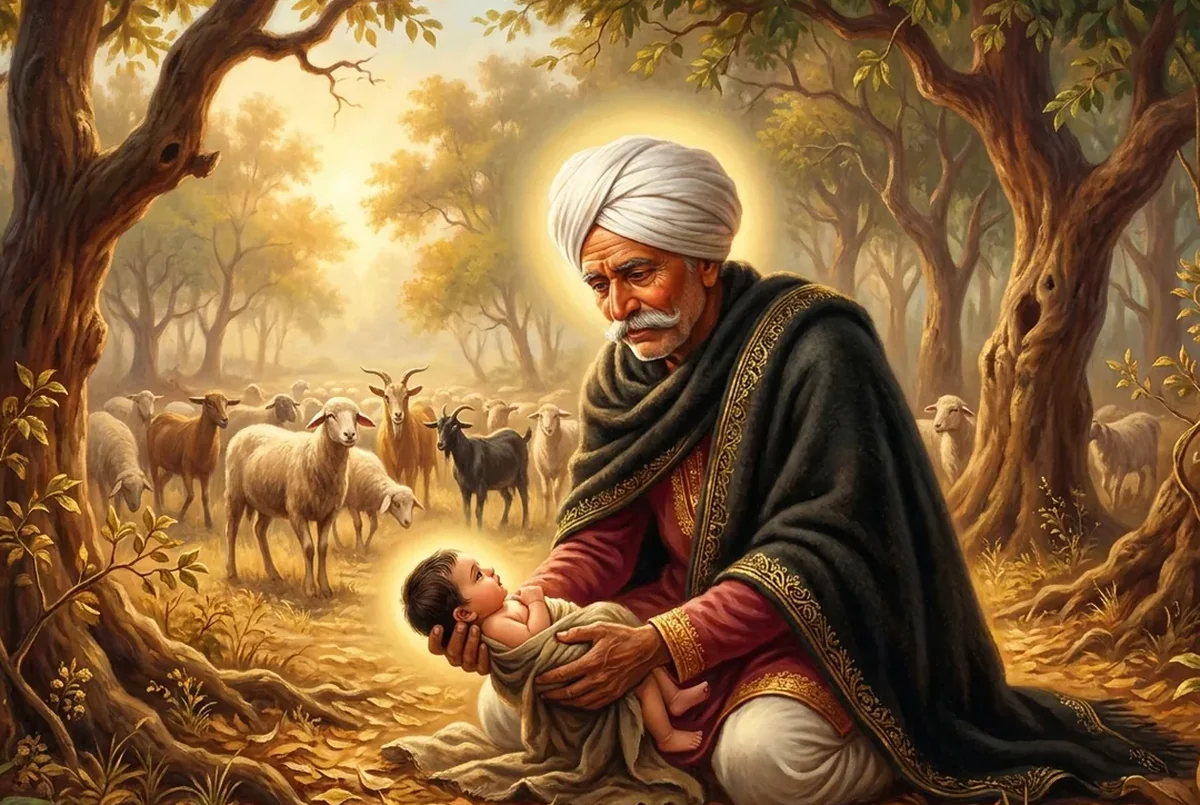
The second was Banai. Folk tradition says the headman of a shepherd settlement found a baby girl in the forest and raised her as his own daughter. Some tellings call her a daughter of heaven, others a form of Ganga. Growing up among the flocks, Banai was simple, fearless and true of heart. She had heard of Khandoba's glory and in her heart had already chosen him. Every day she prayed that the Lord would accept her.
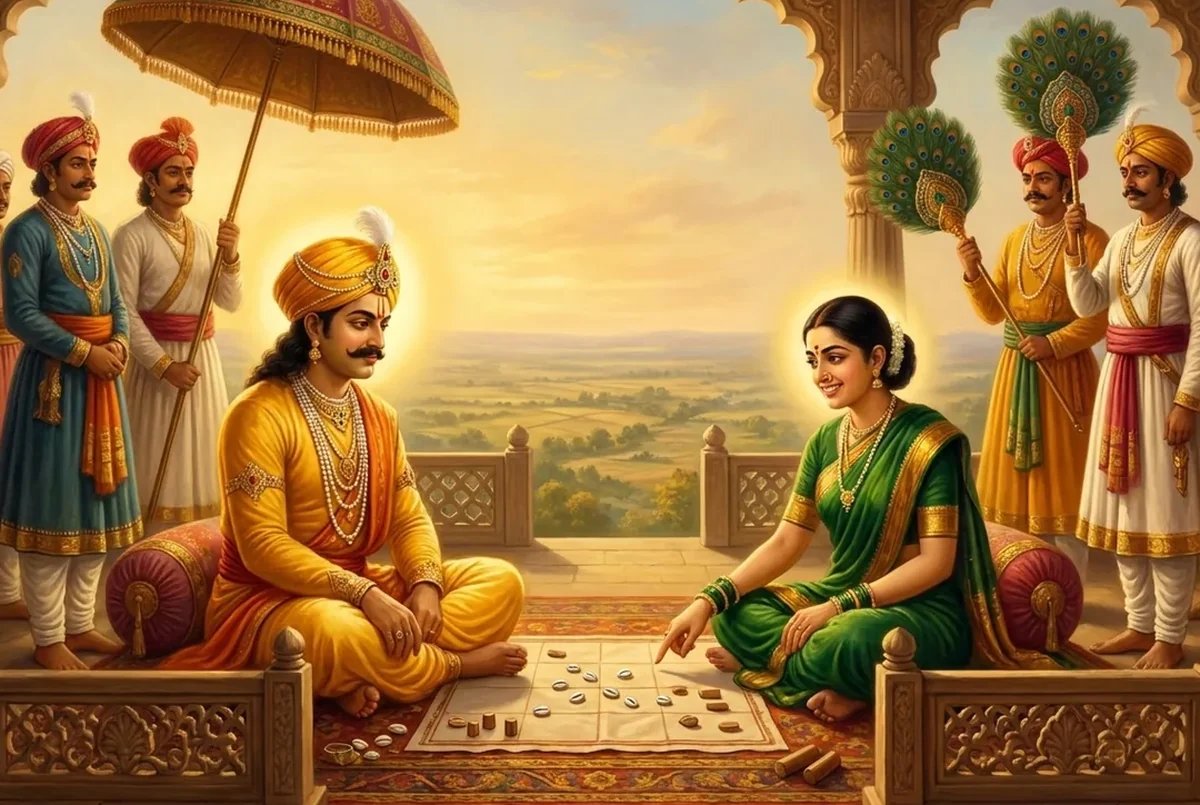
One day on the fort, Khandoba and Mhalsa sat down to a game of saripat, agreeing that the loser would spend twelve years in the forest. Khandoba lost; some say he let himself lose because he had heard Banai's prayers. To keep his word he left the fort, took the guise of a poor old shepherd and arrived at the settlement of Banai's father. He asked for work and cheerfully did every humble task, grazing the sheep, sweeping the yard and fetching water.
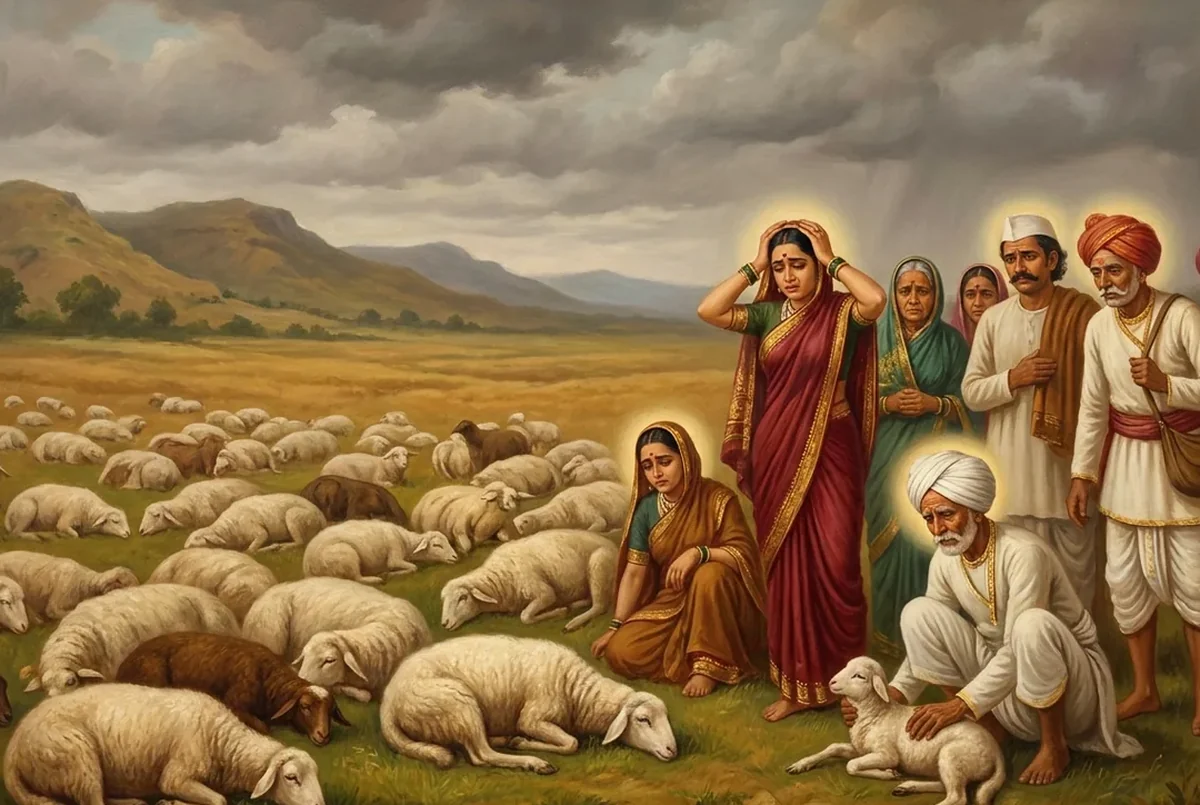
The people of the settlement took the old servant lightly and ordered him about. He bore it all quietly. Then one day, out in the pasture, the whole flock suddenly fell as though the life had gone out of it. The settlement was in despair, for the sheep were all their wealth. The old shepherd said, if Banai is given to me in marriage, I will raise this flock again. Somehow Banai had come to feel a deep reverence for this servant, and she agreed.
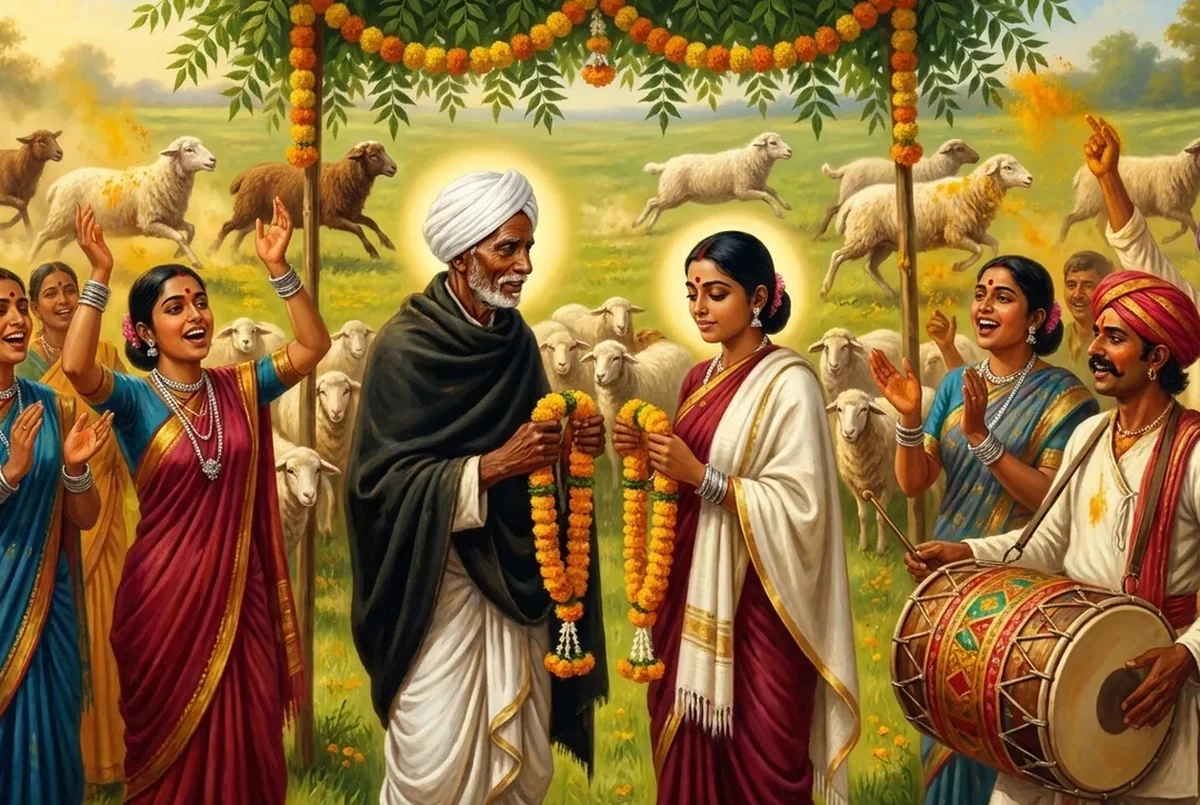
At the shepherd's word the whole flock rose up bleating, and the marriage was held simply in the settlement. On the road back to Jejuri, the shepherd showed his true form: the Lord on his horse, bhandara on his brow, Malhari Martand himself. Banai's eyes filled with tears. The god she had worshipped for years was the one holding her hand.
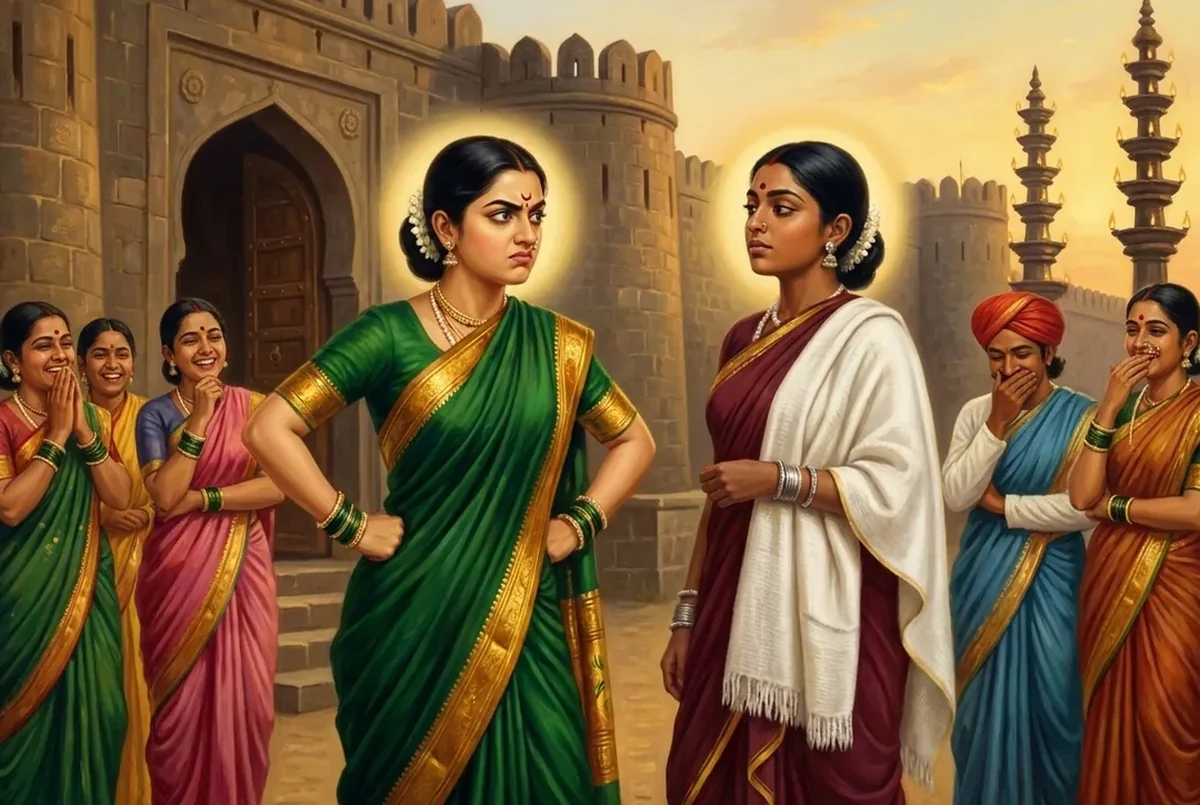
At Jejuri the Lord was greeted by Mhalsa's anger. The queen did not like this new marriage at all, and the two goddesses quarrelled fiercely; their squabbles are still sung in folk songs with great affection and laughter. Khandoba then honoured them both. Mhalsa sits beside him in the main shrine at the top of the fort, and the lower part of the hill was given to Banai, where she has her own shrine.
Devotees in Maharashtra see their own god in this story: a god who belongs to the queen of the palace and to the shepherdess of the forest alike, who would leave his throne to keep his word and work as a servant for love. That is why farmers, shepherds, traders and soldiers all hold him as their kuldaivat. So much bhandara flies at Jejuri that the whole fort glows golden, and people lovingly call it Sonyachi Jejuri, golden Jejuri. One cry rings out there: Yelkot Yelkot Jai Malhar.
Source
The victory over Mani and Malla is told in the Malhari Mahatmya, which presents itself as part of the Brahmanda Purana. The stories of Mhalsa and Banai come from Maharashtra's folk tradition and devotional songs, and exist in many versions.