
Mahalakshmi of Mumbai: Three goddesses out of the sea
Mahalakshmi, South Mumbai, Maharashtra
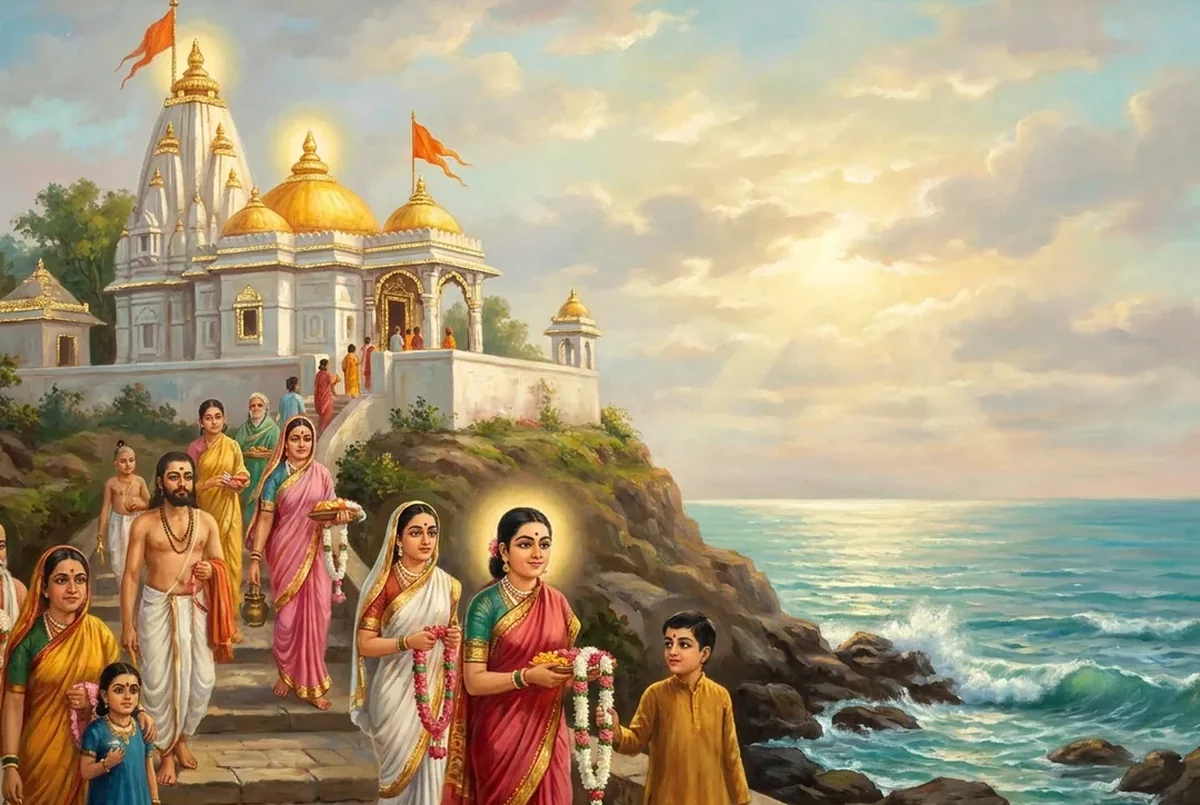
The Mahalakshmi temple, standing high above the water in South Mumbai, is among the city's oldest and best loved shrines. Three goddesses are enshrined together here: Mahalakshmi, Mahakali and Mahasaraswati. Mumbai's tradition says that all three images came out of the water off this very shore, at a time when the work of holding back the sea kept collapsing.
This is from the end of the eighteenth century. Mumbai was then not one city but a cluster of seven separate islands, and at high tide the low ground between them went under water. At the breach near Worli the sea came in twice a day and ran far inland. It was decided that an embankment would be built there to close the breach for good.
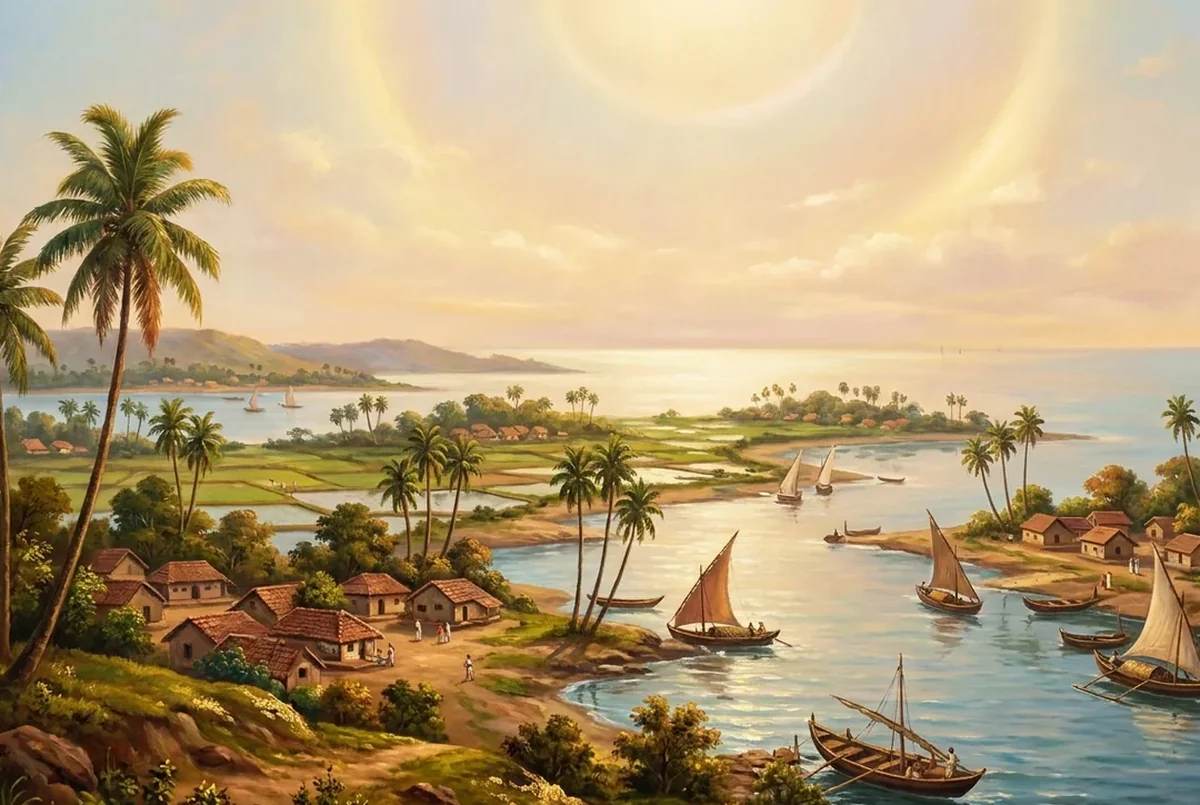
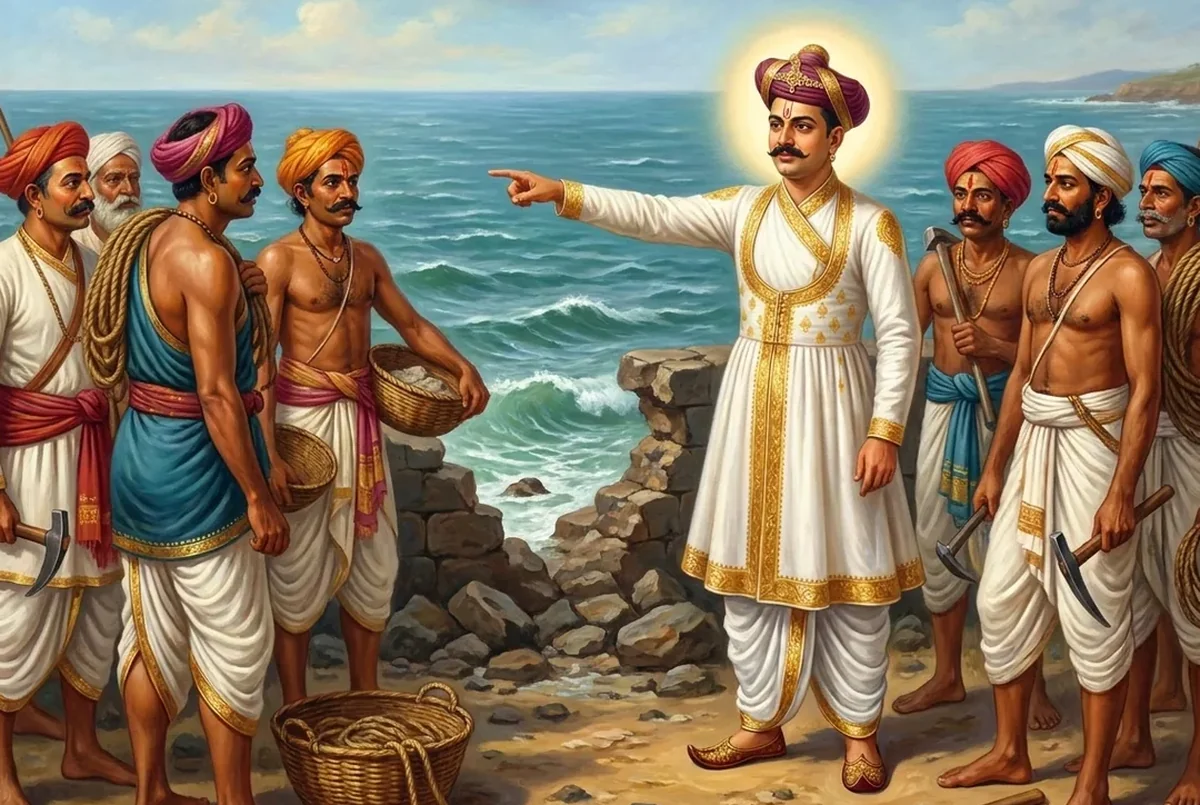
The contract for the work went to a local contractor of the city, Ramji Shivji Prabhu. Stone was laid, earth was packed in, the wall began to rise, and then the tide came and carried it all away. This did not happen once; it happened again and again. Months went by, the workers tired, the money drained, and Ramji Shivji found both debt and disgrace settling on his head.
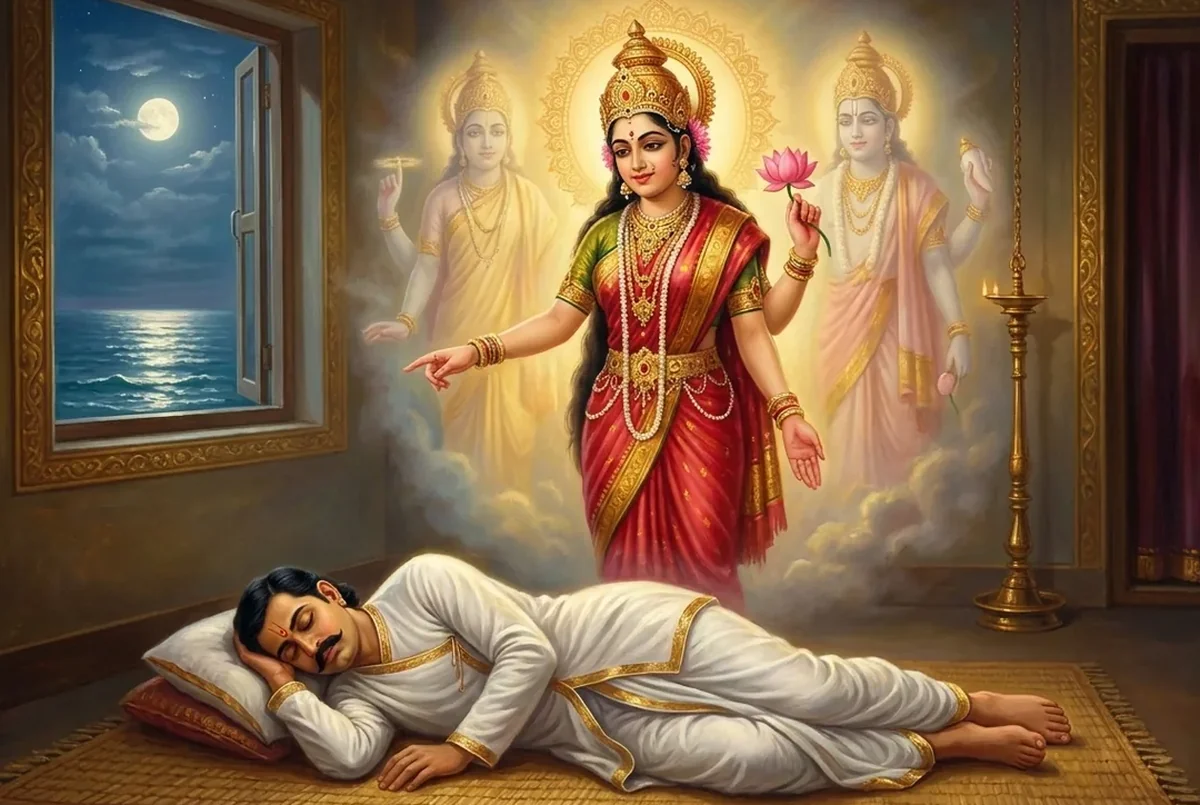
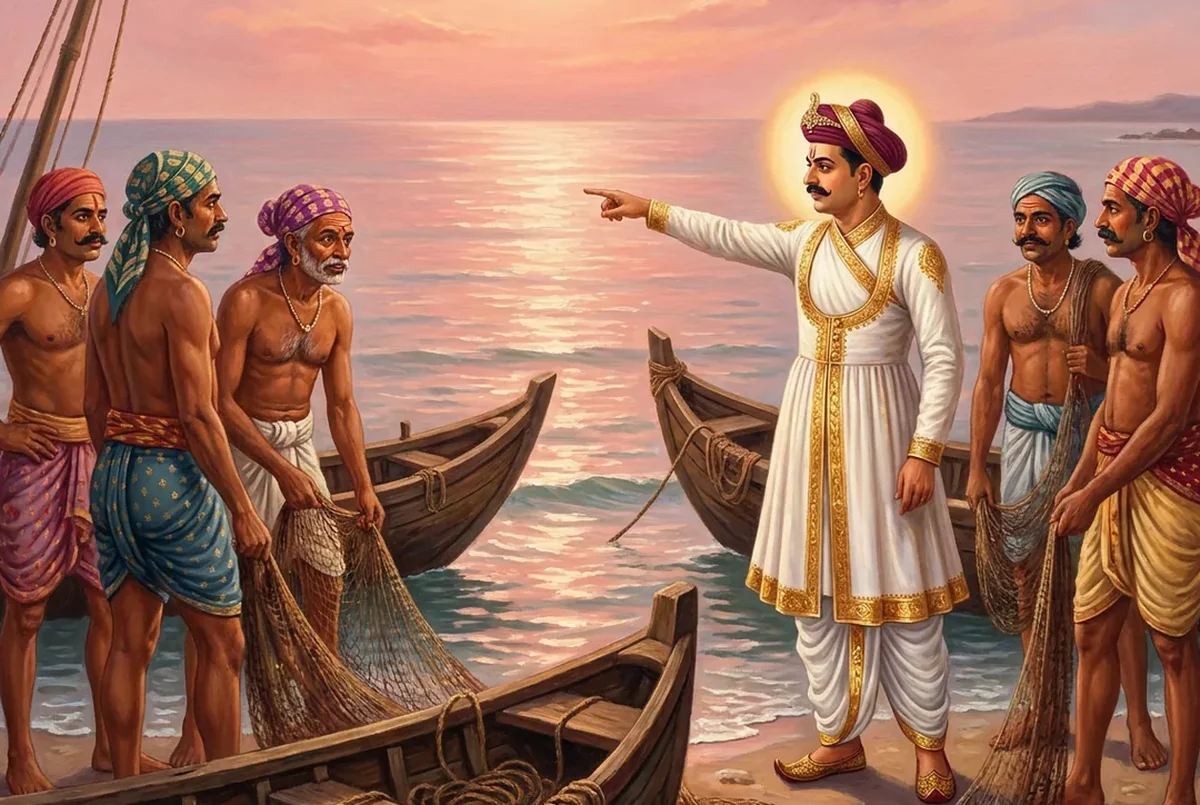
One night, worn out, he slept and saw in a dream a shining form of a woman. Tradition says the Mother told him: we three sisters are lying in the water off this shore. Bring us out and seat us where we can keep looking at the sea.
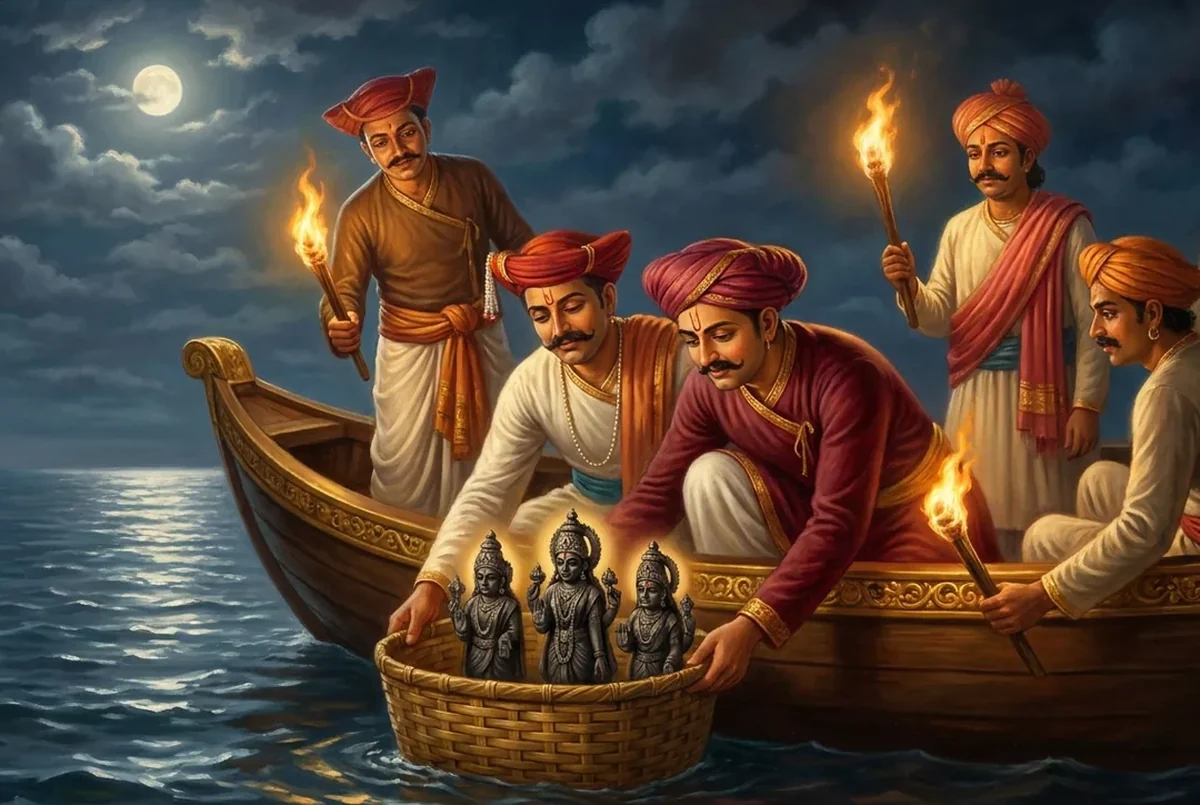
As soon as he woke he called his men and pointed towards the spot. Fishermen took their nets into the shallow water. Many times the net came back empty, and then once it came up heavy. Three stone images were lifted from the water: Mahalakshmi in the middle, with Mahakali and Mahasaraswati on either side.
It is said that long before, in an unsettled time, the images had been placed in the sea for safekeeping, and people had forgotten them. Ramji Shivji asked for a small piece of ground on the hill above the shore, built a little shrine there and seated the three goddesses facing the sea. Folk tradition says that after this the embankment held, though history also tells us that the work was finished over many years and by many hands.
That same temple stands today on Bhulabhai Desai Road, on the slope of Cumballa Hill. Inside, the three goddesses are dressed in gold ornaments, nose rings and flowers. Mahalakshmi holds a lotus, Mahakali is the form of power, and Mahasaraswati holds a veena and a book. Behind the temple the steps go down all the way to the rocks and the waves.
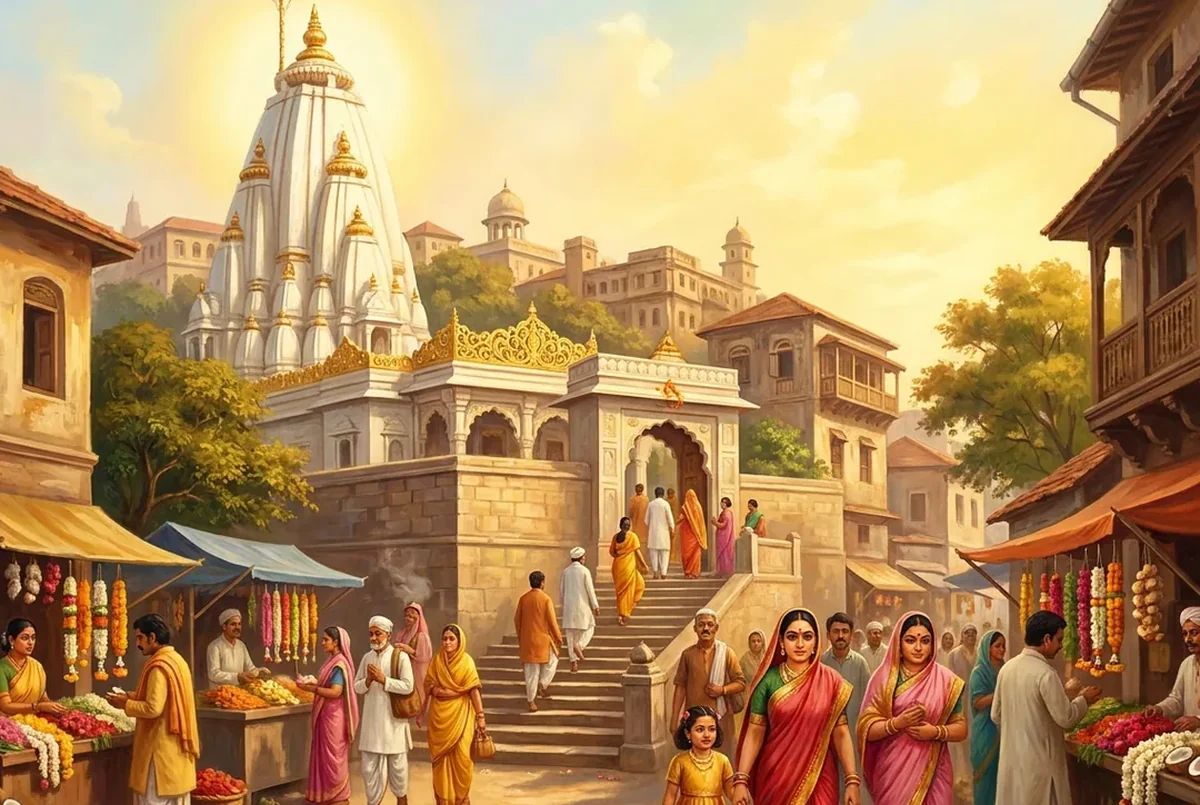
At Navratri lakhs of people come here; at Diwali the queue for Lakshmi puja does not break till late in the night; and on Gudi Padwa those starting something new bow here first. Devotees fold their hands towards the sea from the rocks, because the belief is that the Mother came out of that very water. In the middle of all the city's hurry, this place feels strangely still.
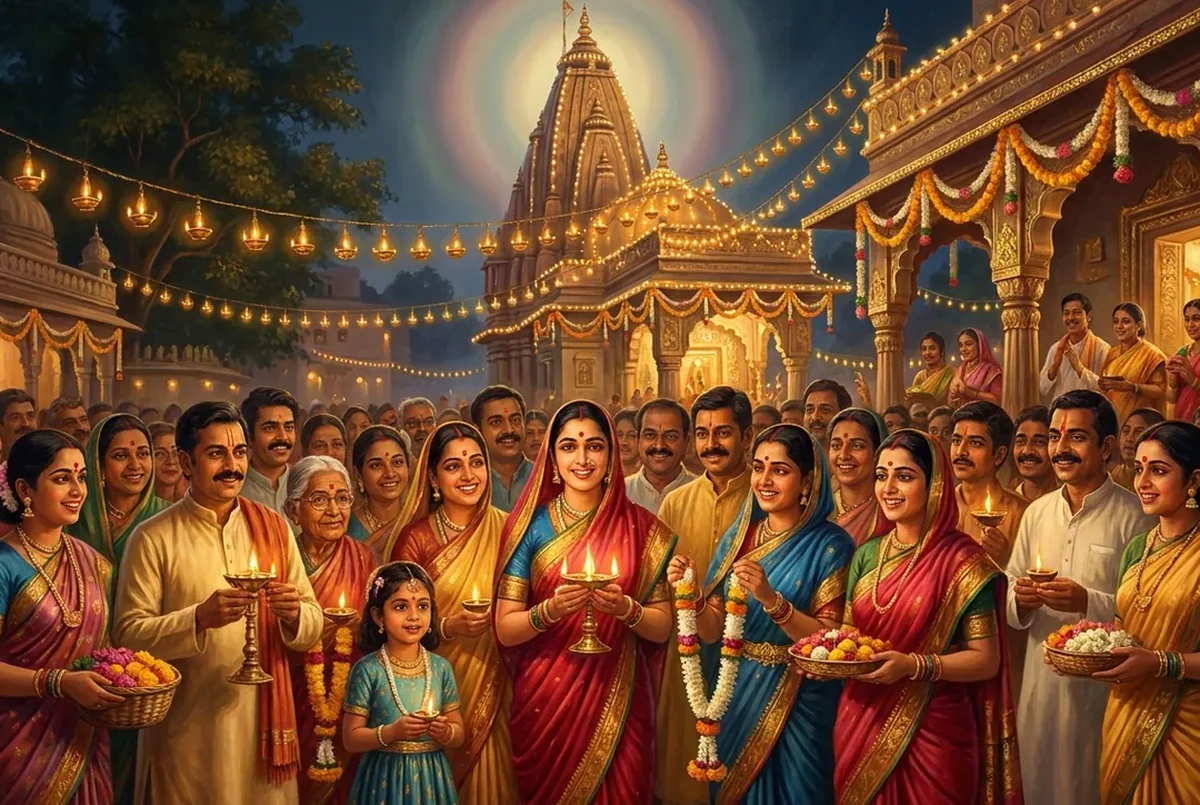
Devotees say Lakshmi is not only the goddess of money. Lakshmi is the one who makes things hold, who lets what has been made go on standing, and that is why the power of Mahakali and the wisdom of Mahasaraswati are seated beside her, for without all three nothing lasts long. A great part of Mumbai stands today on ground that was once sea. That is why people here say that whatever holds in this city holds by two things together, the Mother's grace and human labour.
Source
The finding of the three images in the sea, the dream of Ramji Shivji Prabhu and the completing of the embankment belong to Mumbai's folk and temple tradition, not to any Purana, and it would not be right to say the embankment was finished for this reason alone. Accounts of the temple's founding year differ; the temple's own account gives about 1761, and a rebuilding and expansion in 1831 is on record.