
Shattila Ekadashi Vrat Katha
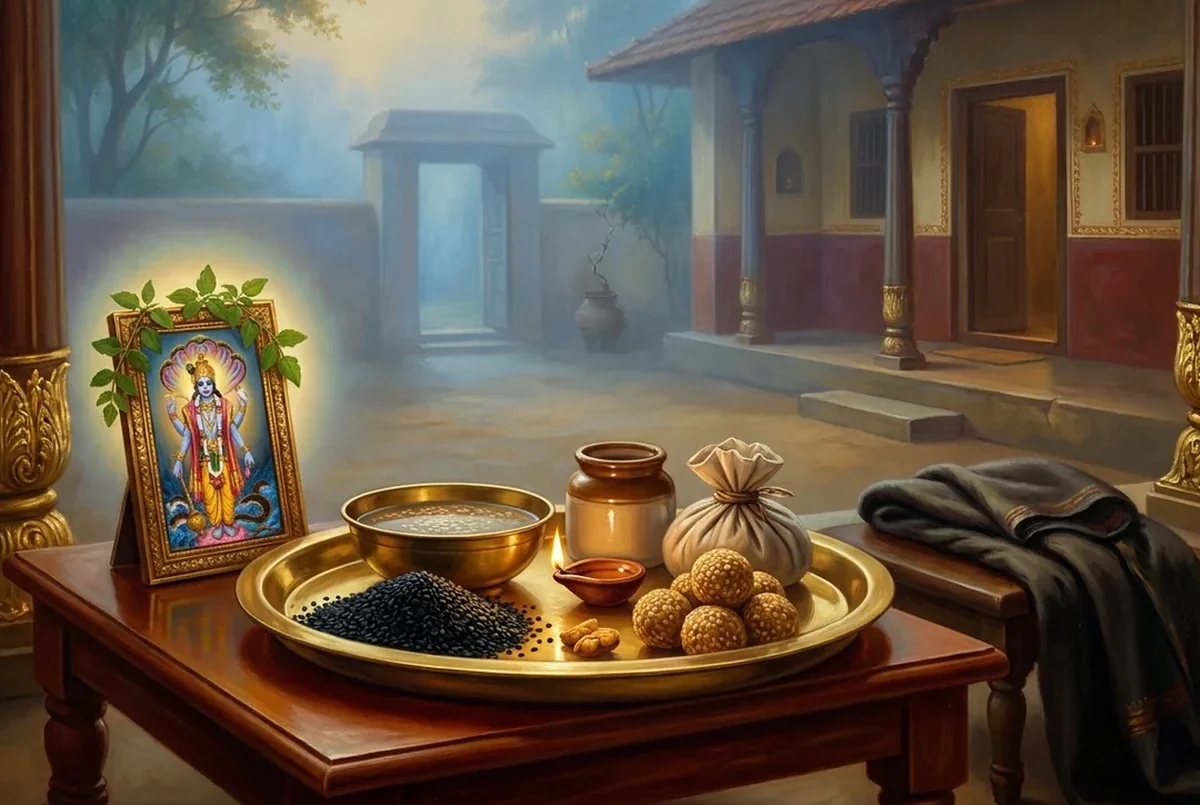
Shattila Ekadashi — When is it
- 2 February 2027, Tuesday
Why is this day celebrated?
The Ekadashi of the dark fortnight of Magh is called Shattila Ekadashi. The name itself states the practice: shat means six and til means sesame, and on this day sesame is used in six ways. The message of the katha is plain, that fasting and worship alone do not complete the matter until the hand learns to give.
The katha
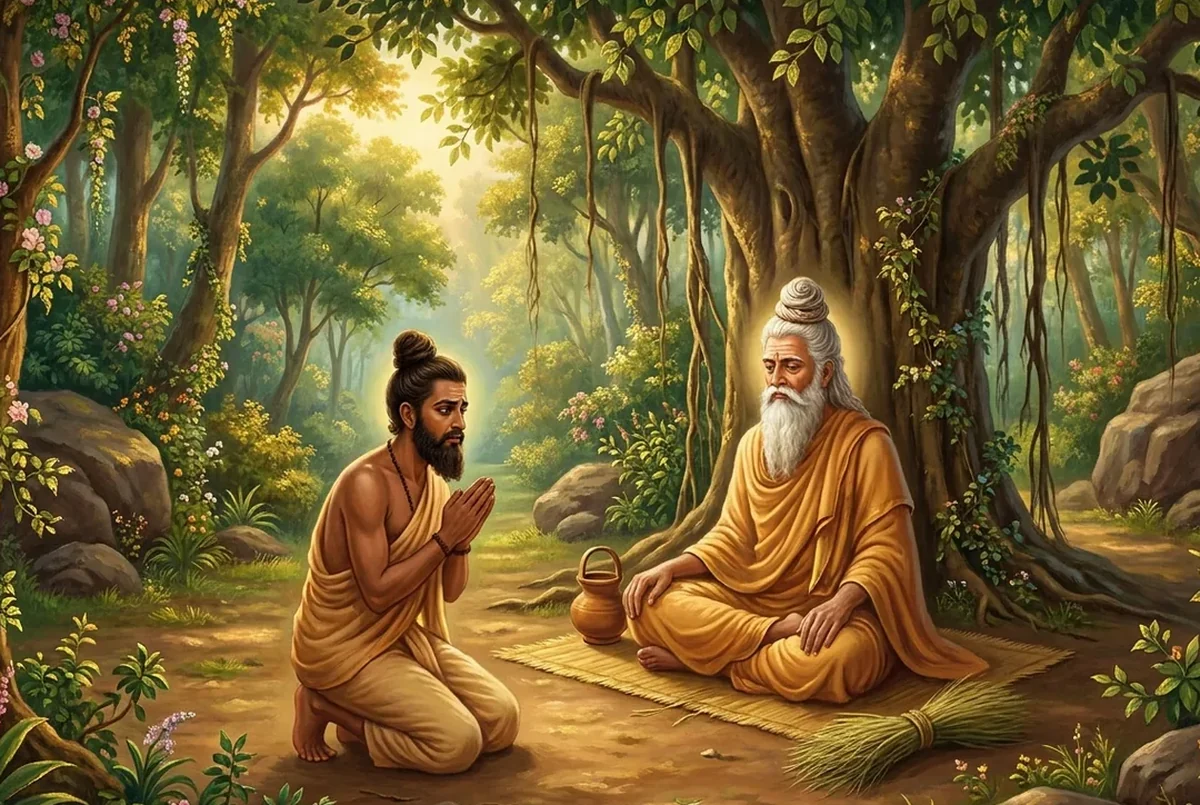
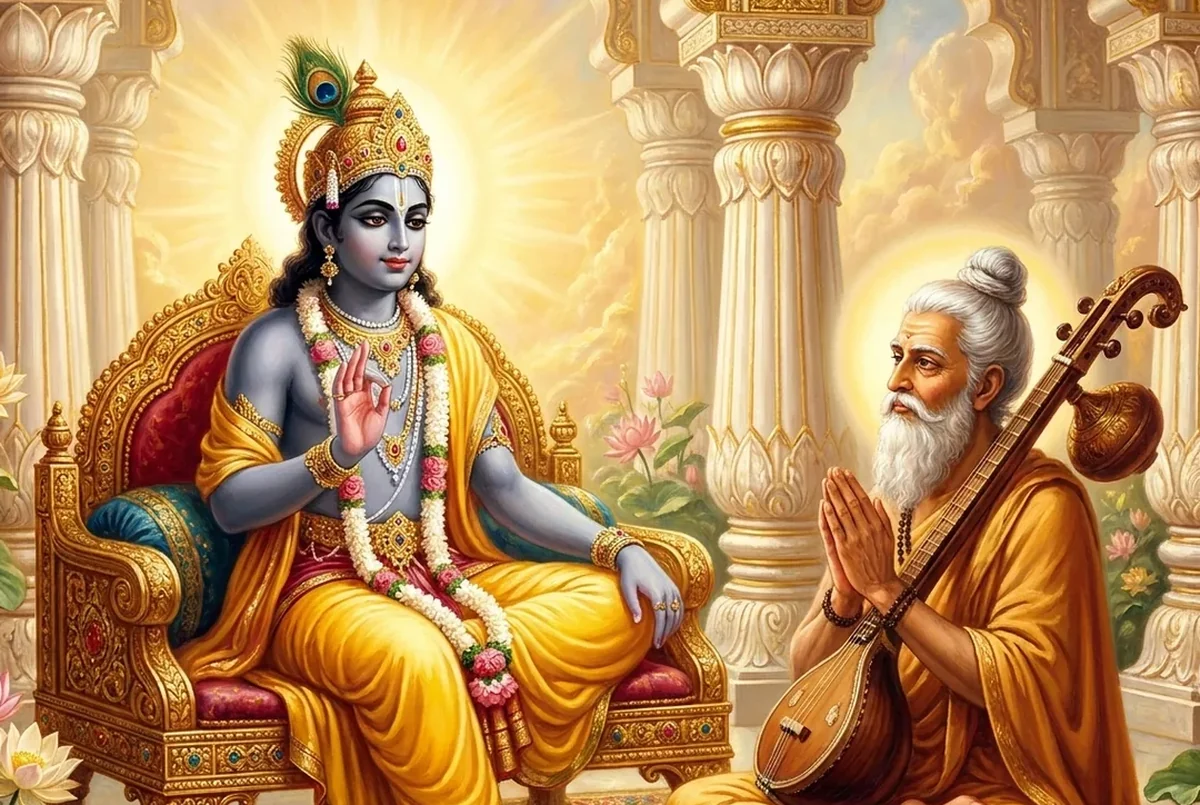
The katha begins as a conversation between the sage Dalbhya and the sage Pulastya. Great one, asked Dalbhya, a person commits many faults, knowingly and unknowingly; tell me some simple practice by which both the mind and the life become clean. Pulastya said, keep the fast of the Ekadashi of the dark half of Magh, with sesame. He then told what Lord Krishna had once said to Narada.
Krishna said: on earth there lived an elderly brahmani. She was very devout. She kept every Ekadashi fast, observed the rule of every festival, and left nothing out of her worship of me. But there was one great gap in her life. She had never given anything to anyone. Not grain to a hungry person, not water to a guest, not one piece of cloth to someone in need. Her hand had simply never learnt to give.
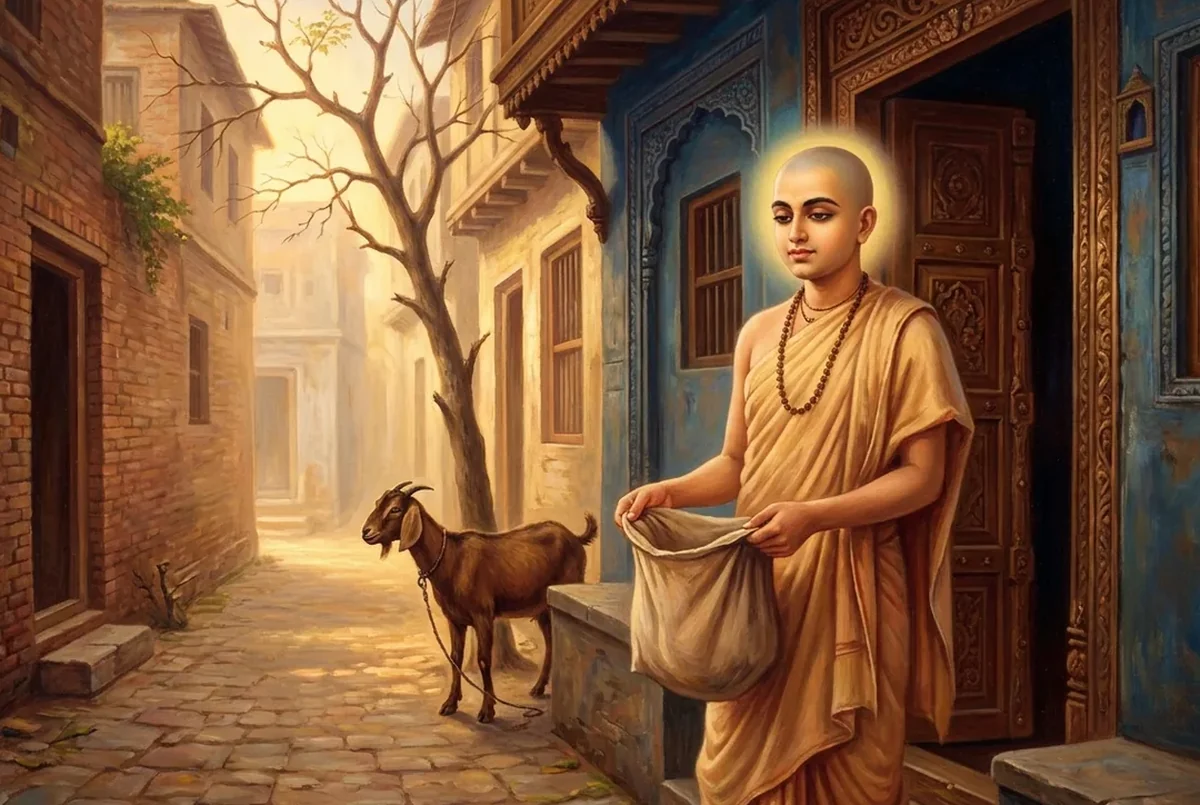
I thought: fasting has made her body pure, but her hand has stayed empty. One day I took the form of a mendicant and stood at her door, holding out my bowl for alms. She did not like it. Irritated, instead of grain she picked up a lump of clay and dropped it into my bowl. I smiled and came away, and I kept that lump.
When her time was complete, she left her body and came to my abode. On the strength of her fasts she was given a beautiful house. But she stopped short at the doorway. There was not a grain of food inside, no lamp, no vessel, nothing to spread on the floor. She came to me and said, Lord, I fasted all my life, so why is my house empty? I said, what you gave is what came with you. You gave clay.
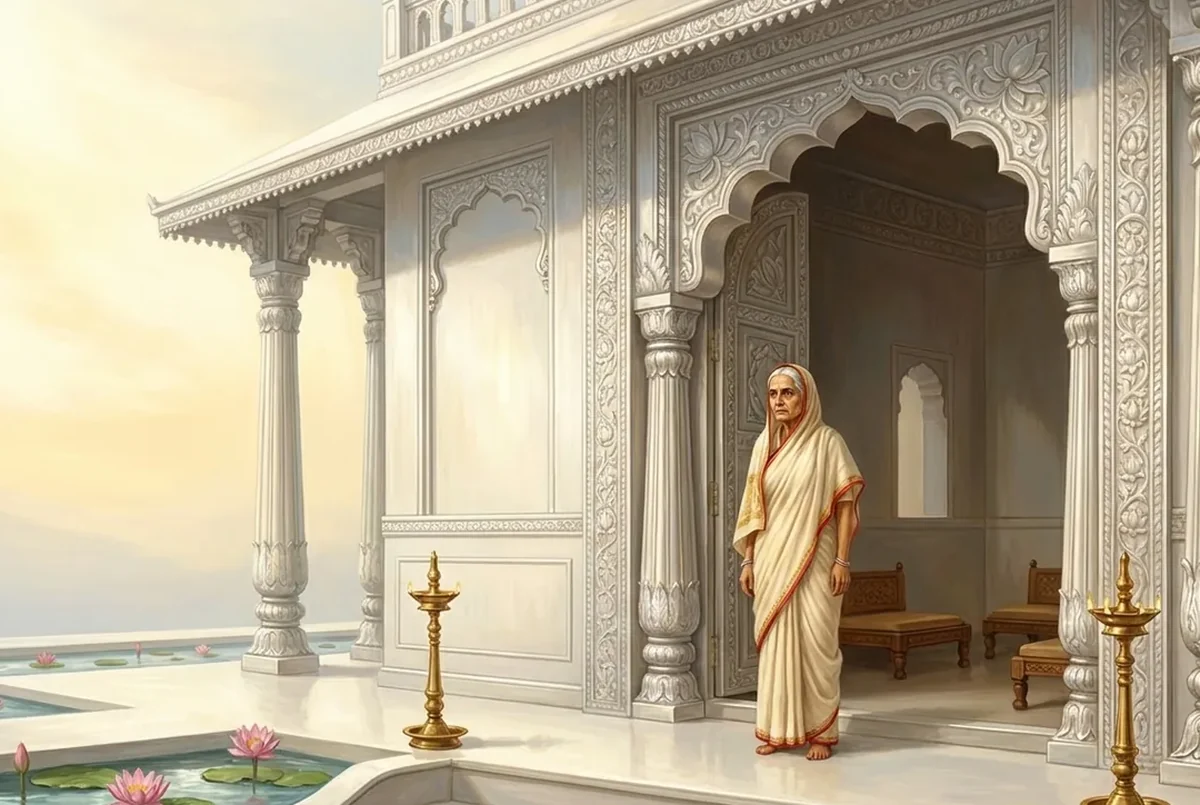
She wept and asked what she could do. I said, the wives of the devas will come to your door. Do not open it until they have taught you the vrat of Shattila Ekadashi. That is what happened. They explained the vrat to her, and the six uses of sesame from which the day takes its name. The old woman kept the fast with full faith, and this time she also learnt to give.
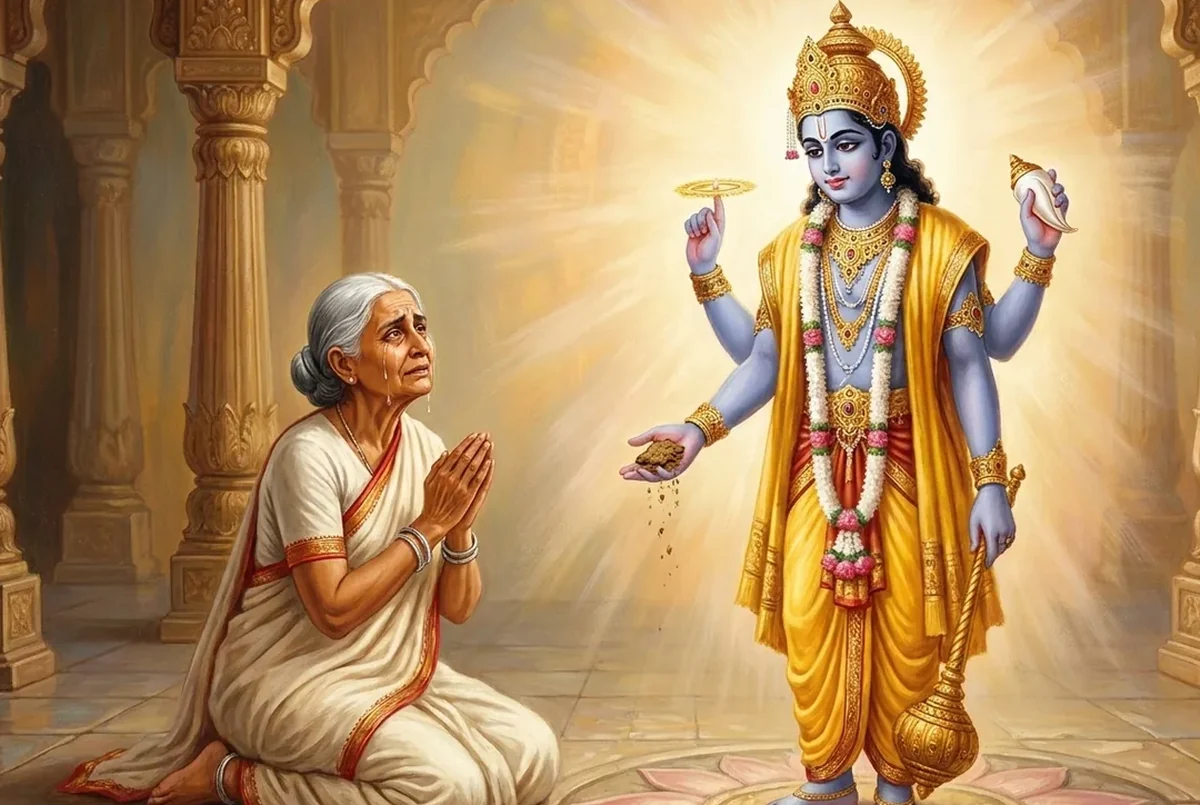
It is said that after this her house filled with grain, lamps and comfort. Sesame is a very small thing, and the lesson of this vrat lies in that smallness: giving becomes real not by being large but by the hand opening at all. The katha says that one who keeps this fast with faith is freed of both sin and want. In the cold of Magh, getting sesame, jaggery and a blanket to someone who needs them is the truest form of this vrat. May Lord Vishnu keep grain and generosity in every home.
How it is observed
- The six uses of sesame are the practice of the day: a bath in water mixed with sesame, sesame paste on the body, sesame in the havan, sesame in the tarpan offering, sesame in food, and sesame given in charity.
- In the cold of Magh, give sesame, til-gur ladoos, grain, blankets and clothes; in this vrat charity is counted as half the fast itself.
- Worship Lord Vishnu with yellow flowers, sandalwood, tulsi leaves and sesame, and chant Om Namo Bhagavate Vasudevaya.
- Eat sattvik food on the evening of Dashami; on Ekadashi grains, rice and lentils are given up, and the fast is kept with fruit or without water, as one is able. Anyone who is unwell, elderly, pregnant or on medication should keep it only as their health allows.
- Stay awake at night with bhajan and the katha, and break the fast on Dwadashi morning after puja and charity; the parana time differs from place to place and with each year's tithi, so check your local panchang.
Frequently asked questions
When is Shattila Ekadashi 2027?
Shattila Ekadashi 2027 is on 2 February 2027, Tuesday. Dates follow the Hindu panchang for Delhi; other cities can differ by a day.
Why is Shattila Ekadashi celebrated?
The Ekadashi of the dark fortnight of Magh is called Shattila Ekadashi.
Source
A retelling in our own words of the vrat katha as it comes in the Bhavishyottara Purana, in the conversation of the sage Dalbhya and the sage Pulastya; the same glory is also carried in the Padma Purana's ekadashi mahatmya tradition. Popular versions do not give the brahmani's name.
Times by city — 2 February 2027
| City | Date | Parana time |
|---|---|---|
| Delhi | 2 February | 7:08 AM – 9:19 AM3 February, Wednesday |
| Indore | 2 February | 7:05 AM – 9:19 AM3 February, Wednesday |
| Mumbai | 2 February | 7:12 AM – 9:28 AM3 February, Wednesday |
| Lucknow | 2 February | 6:51 AM – 9:02 AM3 February, Wednesday |
| Patna | 2 February | 6:32 AM – 8:45 AM3 February, Wednesday |
| Jaipur | 2 February | 7:11 AM – 9:23 AM3 February, Wednesday |
| Bhopal | 2 February | 7:00 AM – 9:13 AM3 February, Wednesday |
| Pune | 2 February | 7:07 AM – 9:24 AM3 February, Wednesday |
| Ahmedabad | 2 February | 7:19 AM – 9:33 AM3 February, Wednesday |
| Kolkata | 2 February | 6:15 AM – 8:29 AM3 February, Wednesday |
| Hyderabad | 2 February | 6:47 AM – 9:04 AM3 February, Wednesday |
| Varanasi | 2 February | 6:40 AM – 8:53 AM3 February, Wednesday |
| Chennai | 2 February | 6:35 AM – 8:54 AM3 February, Wednesday |
| Bengaluru | 2 February | 6:45 AM – 9:05 AM3 February, Wednesday |
| Thiruvananthapuram | 2 February | 6:42 AM – 9:04 AM3 February, Wednesday |
| Bhubaneswar | 2 February | 6:22 AM – 8:37 AM3 February, Wednesday |