
Saphala Ekadashi Vrat Katha
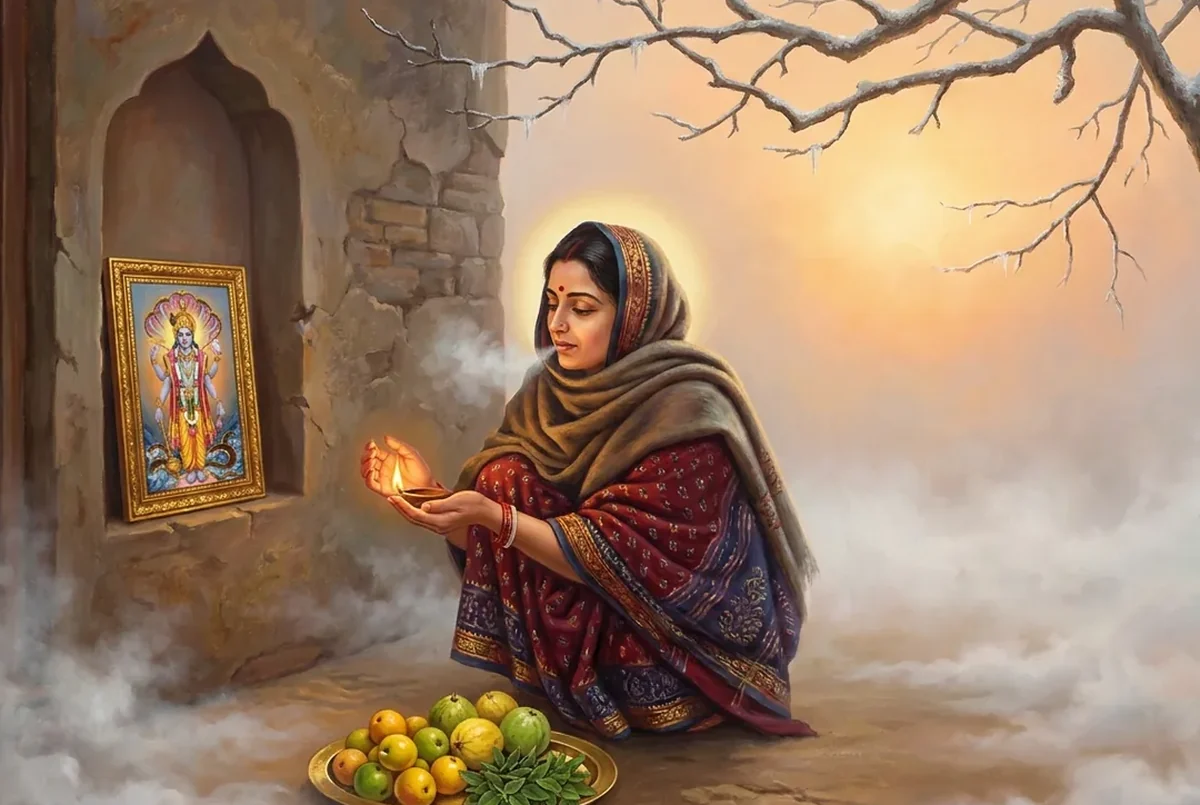
Saphala Ekadashi — When is it
- 3 January 2027, Sunday
- 23 December 2027, Thursday
Why is this day celebrated?
The Ekadashi of the dark fortnight of Paush is called Saphala Ekadashi. Saphala means that which bears fruit, and the spirit of the day is that unfinished work and a wrong turn in life can both still be set right. The katha, linked to the Padma Purana's ekadashi mahatmya tradition, tells of a spoilt prince who kept this fast without knowing it, and whose life changed.
The katha
The story goes that long ago there was a city called Champavati, ruled by a king named Mahishman. He had four sons. The eldest, Lumpaka, fell into bad company. He squandered the treasury on his pleasures, mocked sadhus and devotees of the Lord, and listened to no one. People in the city came to dread his name. His father kept counselling him, but instead of improving he grew worse.
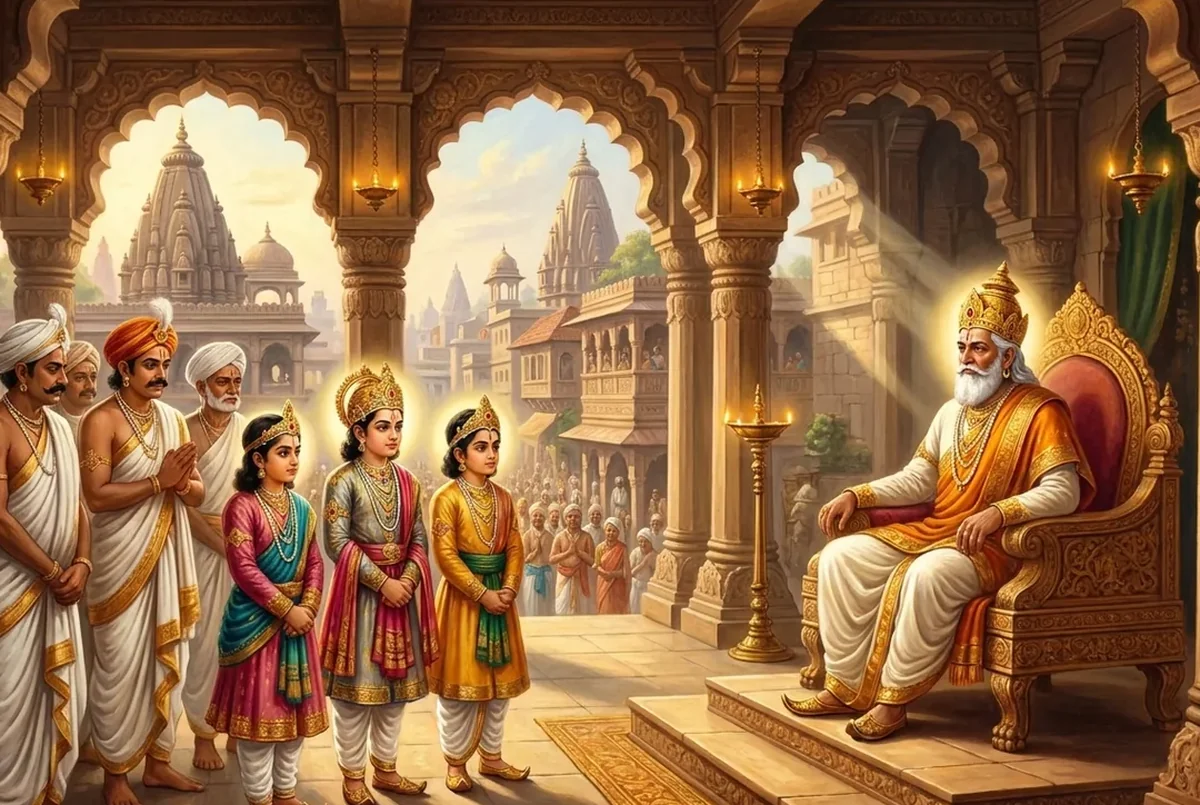
At last the king's patience broke. In open court he banished Lumpaka from the kingdom. The day his father let go of him, everyone else let go too. Friends turned their faces away and servants refused to recognise him. Lumpaka went off to the thick forest outside the city. By day he hid among the trees, and by night he slipped into the city to steal. He was caught, he was beaten, and he came back to the same forest.
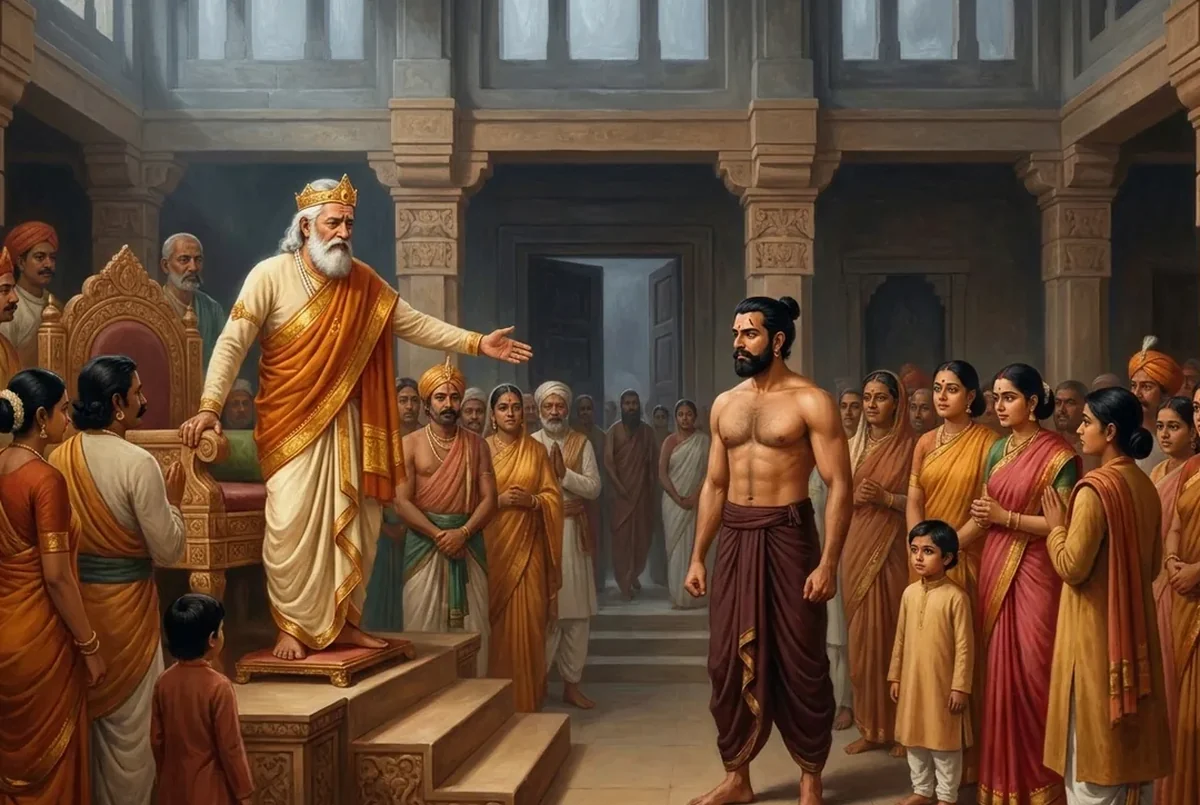
In the middle of that forest stood a very old peepal tree. People treated it as the dwelling of a deity and bowed to it. Lumpaka made his shelter at its roots. The month of Paush came, and the cold grew so sharp that the forest wind went into his bones. He had no cloth to cover himself, no fire and no grain. On the night of Dashami he shivered until he fainted, and not once did his eyes close.
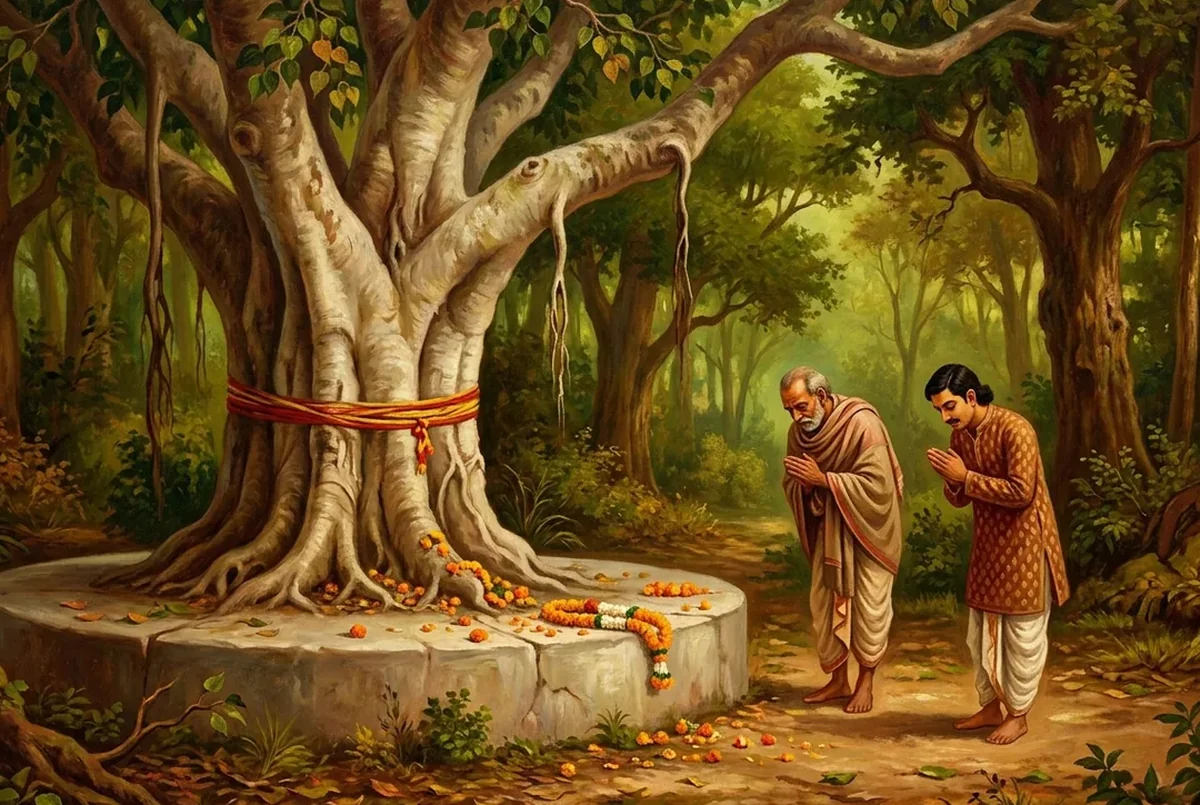
The next morning, which was Ekadashi, he could barely get up. He had no strength to walk, let alone to hunt. Late in the afternoon he gathered some fruit that had fallen under the trees. But before eating it, something happened in his heart for the first time. He placed the fruit under the peepal and said in a broken voice, Lord, I have nothing else. Accept this much. Then he wept and stayed awake all night.
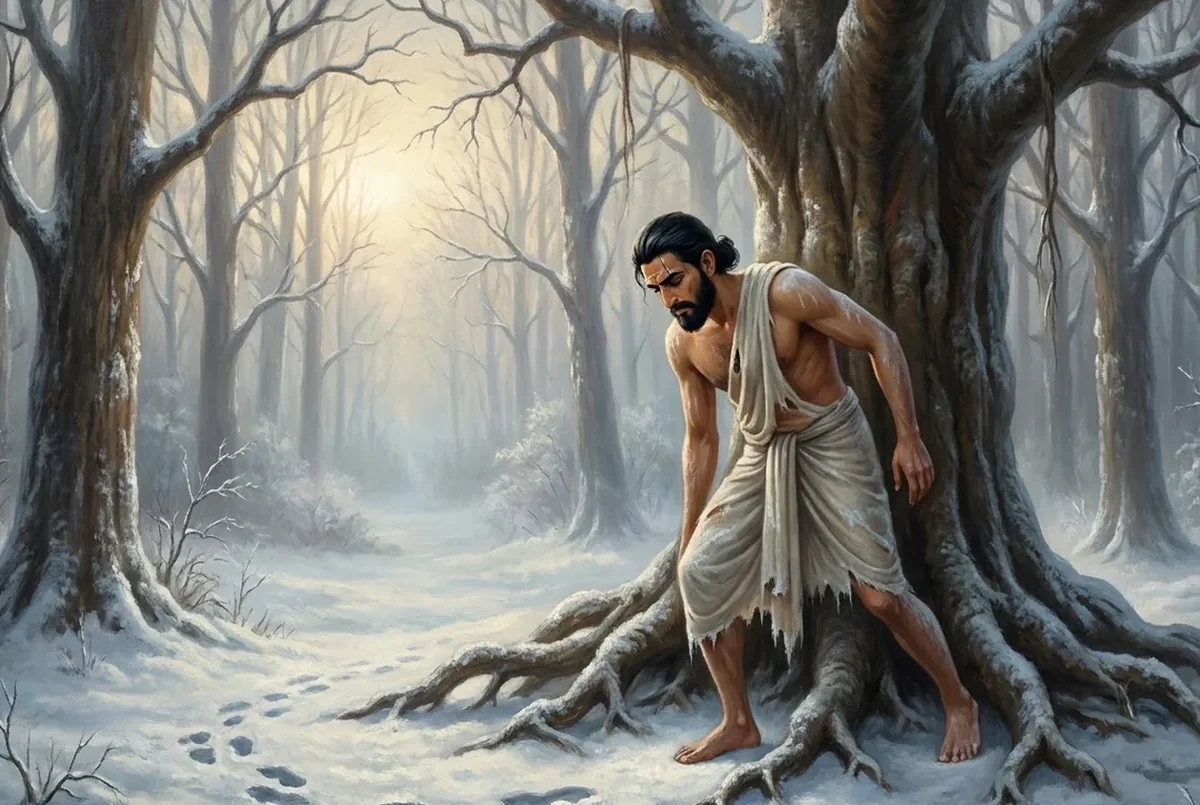
In this way, without knowing it, he completed the whole vrat: no food, no water, the Ekadashi fast and a night's vigil. It is said that after that night his mind changed. Stealing began to disgust him, and his days started passing in the Lord's name. Some time later he stood before his father and asked forgiveness without offering a single excuse.
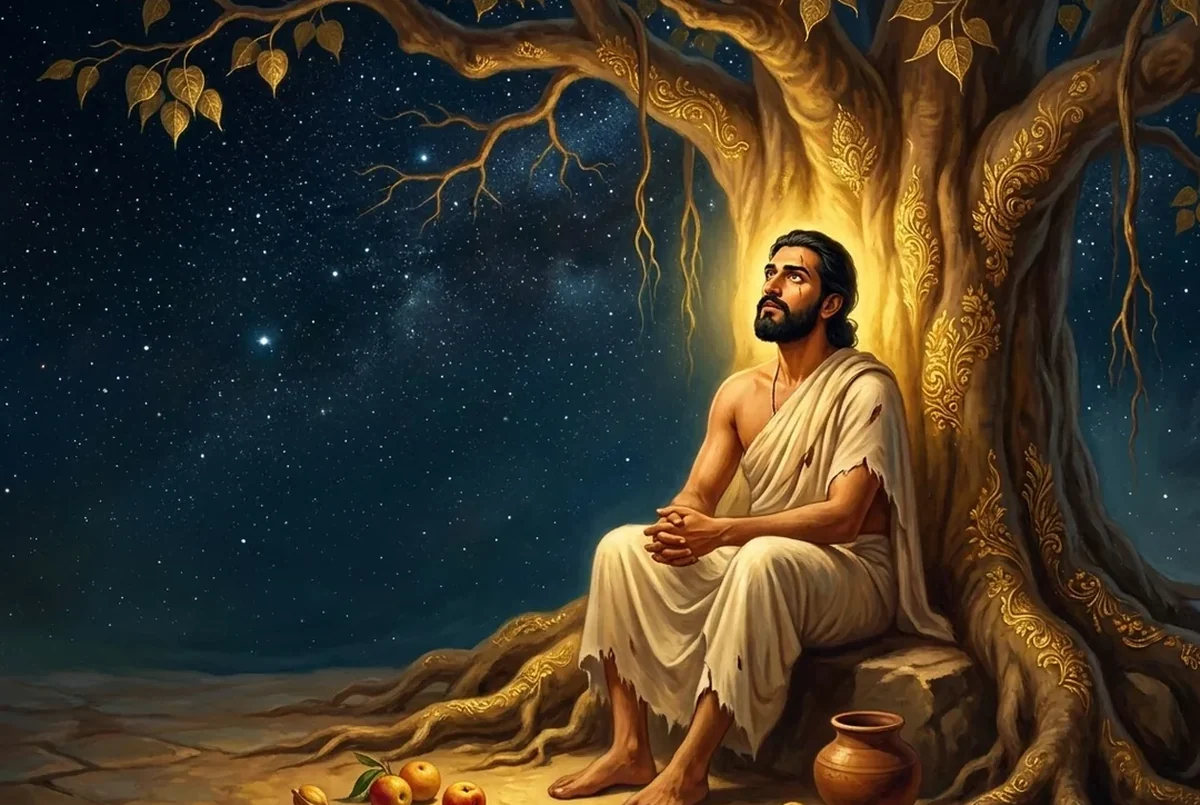
King Mahishman did not see the old arrogance in his son's eyes. He embraced him, and in time handed the kingdom to him. Lumpaka went on to rule along the path of dharma, working for the good of his people. The katha says that this fast of Saphala Ekadashi gives the fruit of years of penance and sets spoilt work right. Its heart is that no one has fallen so far that one sincere day cannot lift them. May Lord Vishnu straighten everyone's path.
How it is observed
- Offering fruit to the Lord is held to be especially important in this vrat; offer seasonal fruit along with yellow flowers, sandalwood and tulsi leaves, and chant Om Namo Bhagavate Vasudevaya.
- Because of the cold of Paush, grain, blankets and warm clothes are given in charity on this day; the spirit of the katha is that even a little, given by someone who has nothing, is a whole offering.
- Eat a light sattvik meal on the evening of Dashami; on Ekadashi grains, rice and lentils are given up, and the fast is kept with fruit or without water, as one is able. Anyone who is unwell, elderly, pregnant or on medication should keep it only as their health allows.
- During the day read the Vishnu Sahasranama or this katha, and spend the night awake in bhajan.
- Break the fast on Dwadashi morning after bath, puja and charity; the parana time differs from city to city and with each year's tithi, so check your local panchang.
Frequently asked questions
When is Saphala Ekadashi 2027?
Saphala Ekadashi 2027 is on 3 January 2027, Sunday. Dates follow the Hindu panchang for Delhi; other cities can differ by a day.
Why is Saphala Ekadashi celebrated?
The Ekadashi of the dark fortnight of Paush is called Saphala Ekadashi.
Source
This Saphala Ekadashi vrat katha is linked to the Padma Purana's ekadashi mahatmya tradition, where it is given as spoken by Lord Krishna; it is retold here in our own words. Popular versions give the city as Champavati and the king as Mahishman, though names and small details vary a little between tellings.
Times by city — 3 January 2027
| City | Date | Parana time |
|---|---|---|
| Delhi | 3 January | 7:14 AM – 9:19 AM4 January, Monday |
| Indore | 3 January | 7:07 AM – 9:17 AM4 January, Monday |
| Mumbai | 3 January | 7:12 AM – 9:25 AM4 January, Monday |
| Lucknow | 3 January | 6:56 AM – 9:02 AM4 January, Monday |
| Patna | 3 January | 6:36 AM – 8:43 AM4 January, Monday |
| Jaipur | 3 January | 7:16 AM – 9:22 AM4 January, Monday |
| Bhopal | 3 January | 7:02 AM – 9:11 AM4 January, Monday |
| Pune | 3 January | 7:07 AM – 9:20 AM4 January, Monday |
| Ahmedabad | 3 January | 7:21 AM – 9:31 AM4 January, Monday |
| Kolkata | 3 January | 6:17 AM – 8:27 AM4 January, Monday |
| Hyderabad | 3 January | 6:47 AM – 9:00 AM4 January, Monday |
| Varanasi | 3 January | 6:44 AM – 8:52 AM4 January, Monday |
| Chennai | 3 January | 6:32 AM – 8:49 AM4 January, Monday |
| Bengaluru | 3 January | 6:42 AM – 8:59 AM4 January, Monday |
| Thiruvananthapuram | 3 January | 6:37 AM – 8:57 AM4 January, Monday |
| Bhubaneswar | 3 January | 6:23 AM – 8:34 AM4 January, Monday |