
Mohini Ekadashi Vrat Katha
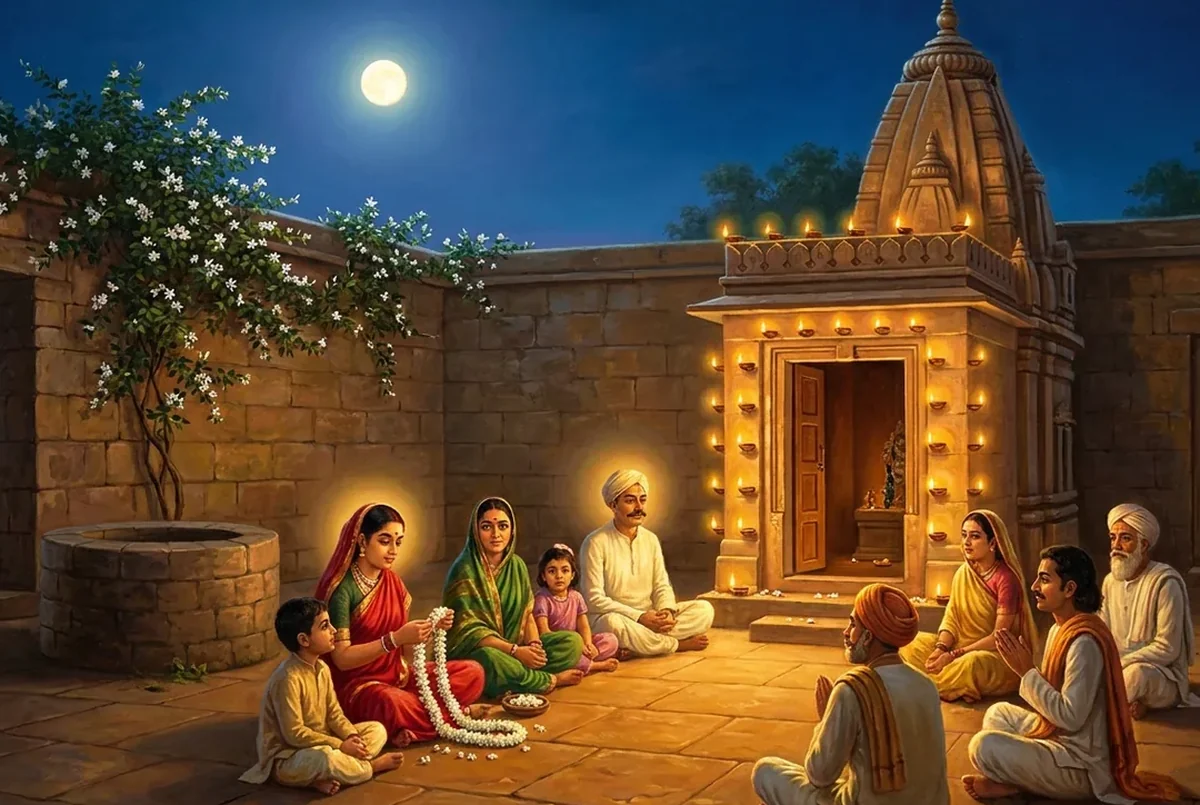
Mohini Ekadashi — When is it
- 16 May 2027, Sunday
Why is this day celebrated?
The Ekadashi of the bright fortnight of Vaishakh is called Mohini Ekadashi. The name comes from moha, the grip by which the mind cannot let a thing go. Tradition says this is the vrat the sage Vashistha told Shri Rama about, when grief at his separation from Sita left him unable to settle anywhere. What marks this Ekadashi out is that it promises to give nothing back; it loosens the knot in the mind.
The katha
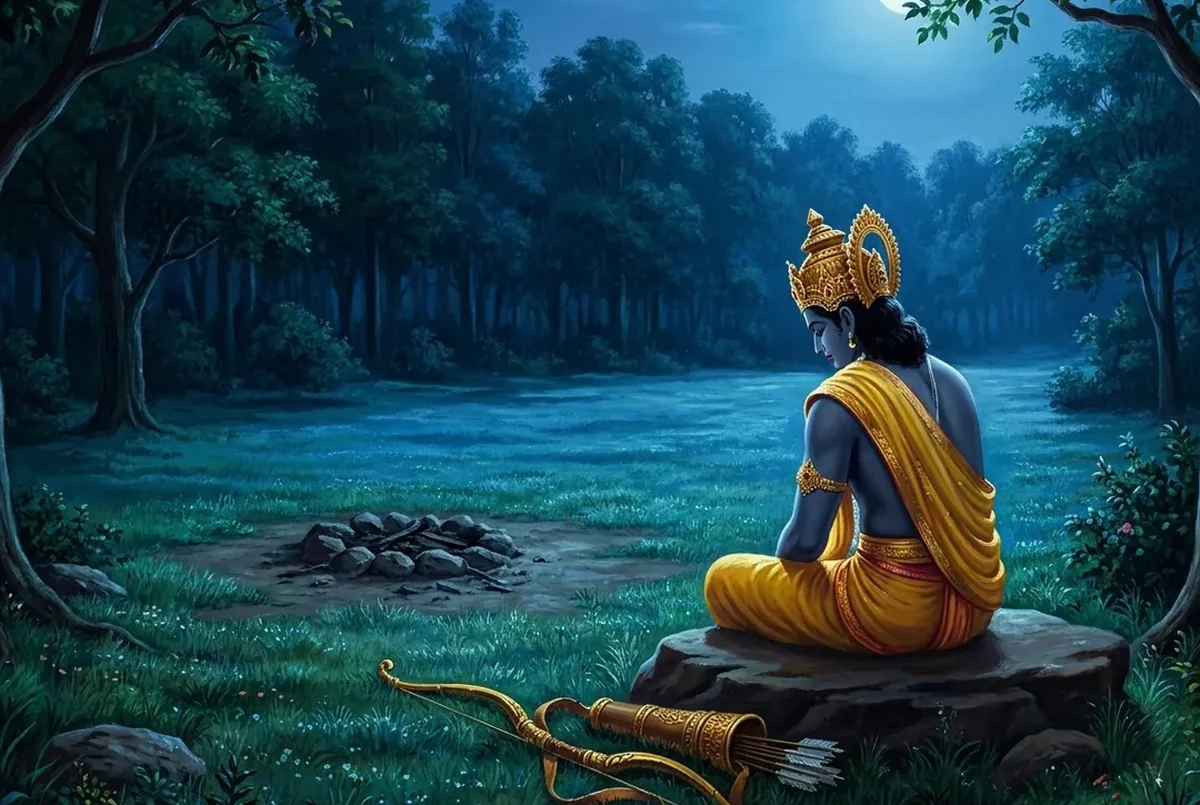
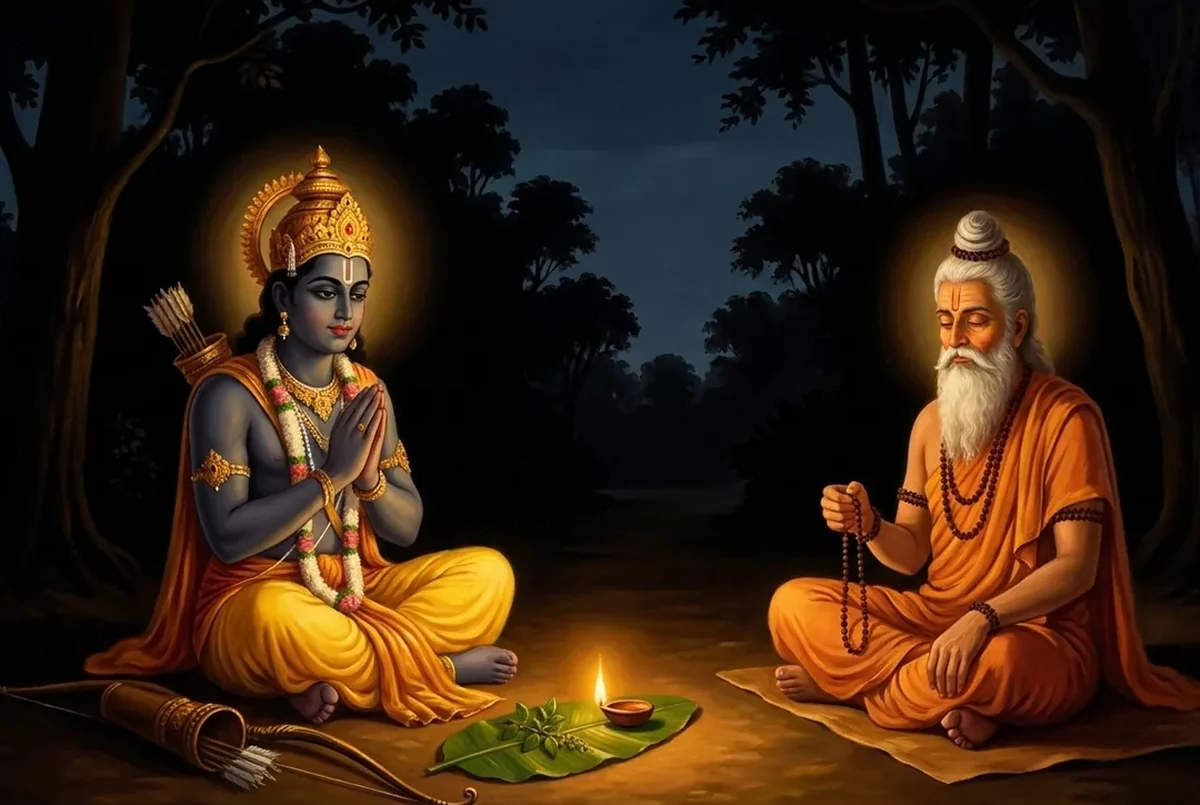
After Sita was carried away, Shri Rama's mind would not rest anywhere. By day he searched the forest, and by night he sat in one place without moving. Lakshmana stayed near him but said little, because words of comfort were too small for that grief. The katha says that at this time the sage Vashistha came there. Shri Rama bowed his head at the sage's feet and said, great sage, my sorrow has grown larger than I am; tell me of a vrat that lightens the weight of both sorrow and wrongdoing.
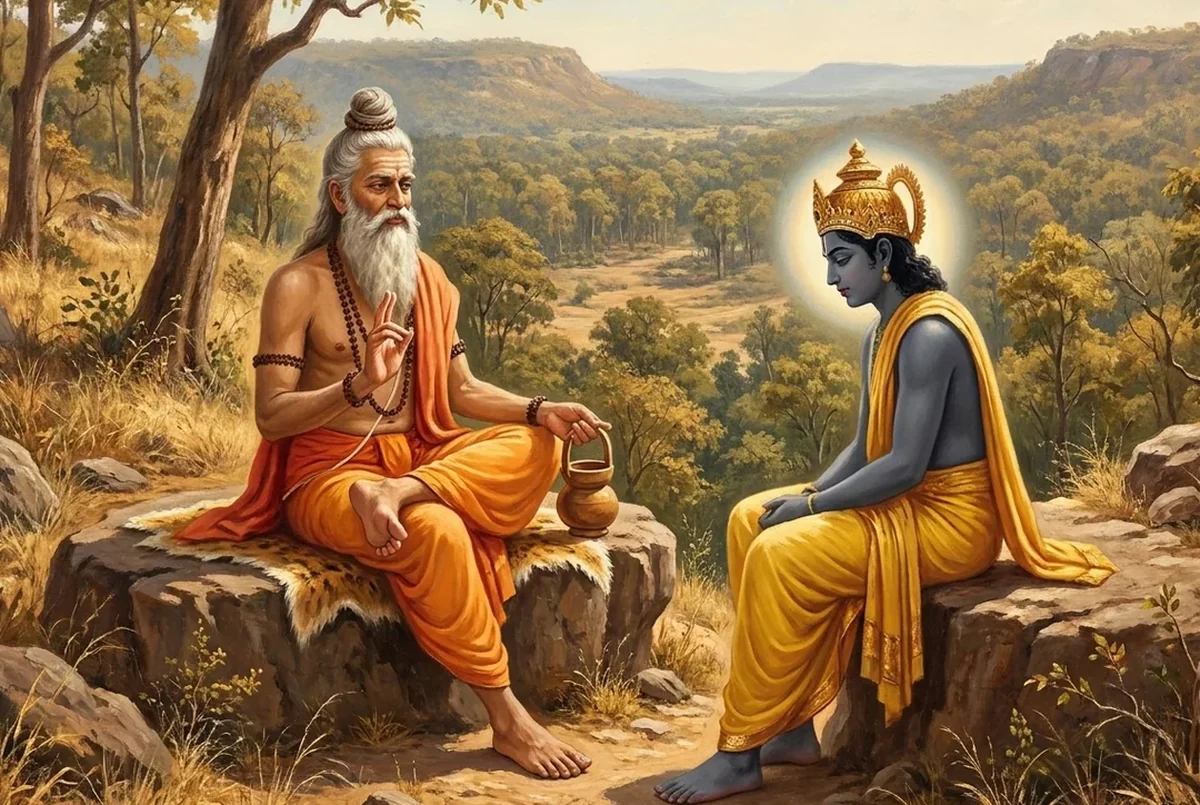
Vashistha was silent a while, and then said, Raghava, what holds you is called sorrow, but its root is moha. Moha is not a sin in itself; it is a form of love that has turned into a grip. In that grip the mind sticks to one place and cannot see the road ahead. The Ekadashi of the bright fortnight of Vaishakh is named Mohini. This vrat gives no promise of returning what is dear to you; it does this much, that the grip loosens and the hands begin to work again.
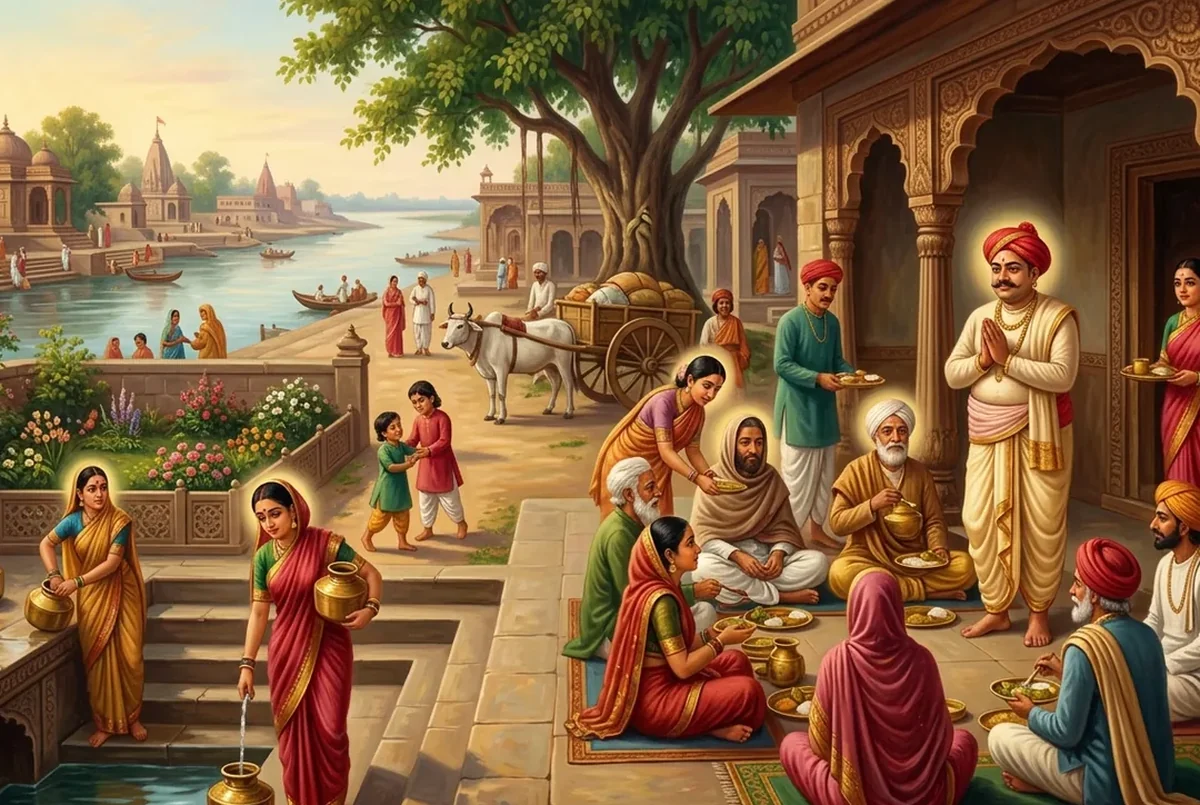
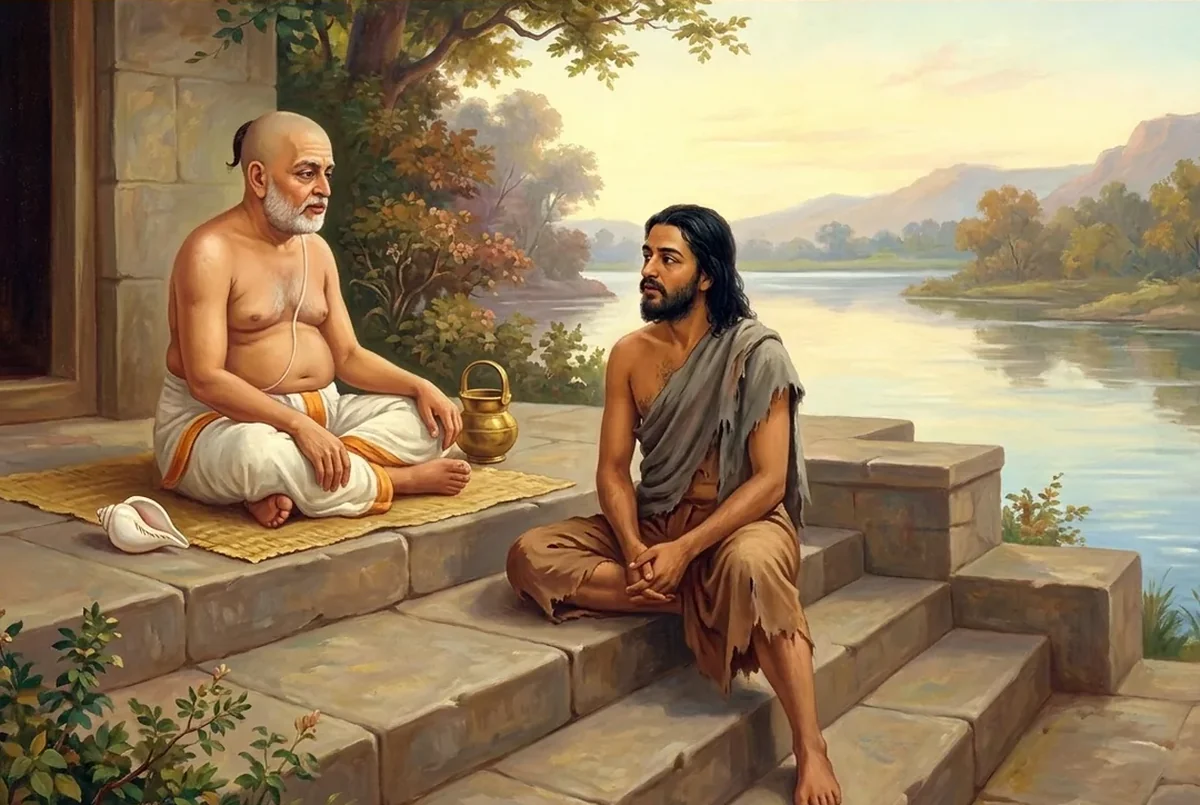
Then Vashistha told an old story. On the bank of the Saraswati stood the city of Bhadravati, where a wealthy merchant named Dhanpal had built wells, gardens and rest houses, so that no traveller went hungry from his door. His youngest son, Dhrishtabuddhi, poured away everything the house had on gambling and bad company, and one day his father told him to leave. After years of wandering he reached the hermitage of the sage Kaundinya on the bank of the Ganga.
Kaundinya asked him for no penance, asked him for no charity, and did not even ask how much he had squandered. He said, keep the fast of Mohini Ekadashi in the bright half of Vaishakh, and all day keep asking your own mind one question: the thing you are holding on to, do you even want it? The man did exactly that. The katha says that his lost money did not come back and his home did not come back, but the fog in his mind cleared, and the rest of his life passed in devotion.
Saying this, Vashistha explained the method of the vrat, and Shri Rama kept that Ekadashi of the bright half of Vaishakh. The katha says that Sita did not return after that day, but Shri Rama's mind no longer sat still. The sorrow that had been tying him to one place became something he could walk with. He rose, he went on, and from there began the road of that search which the rest of the story tells.
The sense of this katha is that moha and sorrow are two ends of the same knot. Holding on to what has gone does not bring it back; it only takes today away along with it. Mohini Ekadashi is a day for loosening that grip, not for forgetting; loosening and forgetting are two different things. Tradition does not take it as a promise to anyone. May Lord Vishnu lighten the knot in every heart.
How it is observed
- In the heat of Vaishakh, giving water, sattu, fruit and clothes is considered auspicious, and giving water to the thirsty is the special merit of this month.
- Keep the mind quiet through the day; staying away from anger, harsh words, gossip and habits like gambling is held to be the main discipline of this vrat, which is about the loosening of moha.
- Offer yellow flowers, sandalwood, tulsi leaves and fruit to Lord Vishnu, light a lamp, listen to the Mohini katha and chant Om Namo Bhagavate Vasudevaya.
- On the evening of Dashami eat one sattvik meal, avoiding rice, garlic and onion; on Ekadashi bathe, take the vow, give up grains for the day and keep it on fruit or on milk and fruit as you are able. Anyone who is unwell, elderly, pregnant or on medication should keep it only as their health allows.
- On Dwadashi morning, after bath, puja and charity, break the fast. The parana time changes with the place and the date, so check your local panchang.
Frequently asked questions
When is Mohini Ekadashi 2027?
Mohini Ekadashi 2027 is on 16 May 2027, Sunday. Dates follow the Hindu panchang for Delhi; other cities can differ by a day.
Why is Mohini Ekadashi celebrated?
The Ekadashi of the bright fortnight of Vaishakh is called Mohini Ekadashi.
Source
The glory of Mohini Ekadashi is linked to the Kurma Purana, where the story comes as a dialogue between the sage Vashistha and Shri Rama, which Krishna later repeats to Yudhishthira. It is retold here in brief; the names and details differ slightly between collections.
Times by city — 16 May 2027
| City | Date | Parana time |
|---|---|---|
| Delhi | 16 May | 5:29 AM – 8:13 AM17 May, Monday |
| Indore | 16 May | 5:45 AM – 8:24 AM17 May, Monday |
| Mumbai | 16 May | 6:03 AM – 8:40 AM17 May, Monday |
| Lucknow | 16 May | 5:18 AM – 8:00 AM17 May, Monday |
| Patna | 16 May | 5:03 AM – 7:44 AM17 May, Monday |
| Jaipur | 16 May | 5:38 AM – 8:20 AM17 May, Monday |
| Bhopal | 16 May | 5:38 AM – 8:18 AM17 May, Monday |
| Pune | 16 May | 6:00 AM – 8:37 AM17 May, Monday |
| Ahmedabad | 16 May | 5:58 AM – 8:37 AM17 May, Monday |
| Kolkata | 16 May | 4:56 AM – 7:35 AM17 May, Monday |
| Hyderabad | 16 May | 5:43 AM – 8:19 AM17 May, Monday |
| Varanasi | 16 May | 5:12 AM – 7:53 AM17 May, Monday |
| Chennai | 16 May | 5:43 AM – 8:16 AM17 May, Monday |
| Bengaluru | 16 May | 5:54 AM – 8:27 AM17 May, Monday |
| Thiruvananthapuram | 16 May | 6:03 AM – 8:33 AM17 May, Monday |
| Bhubaneswar | 16 May | 5:09 AM – 7:47 AM17 May, Monday |