
Varuthini Ekadashi Vrat Katha
Varuthini Ekadashi — When is it
- 2 May 2027, Sunday
Why is this day celebrated?
The Ekadashi of the dark fortnight of Vaishakh is called Varuthini Ekadashi. Varutha means armour, so the name carries the sense of the Ekadashi that protects. The katha says that the one who keeps this fast stays under the Lord's shelter even in trouble. Giving is held to be especially important on this day, and of all gifts the gift of learning is called the greatest.
The katha
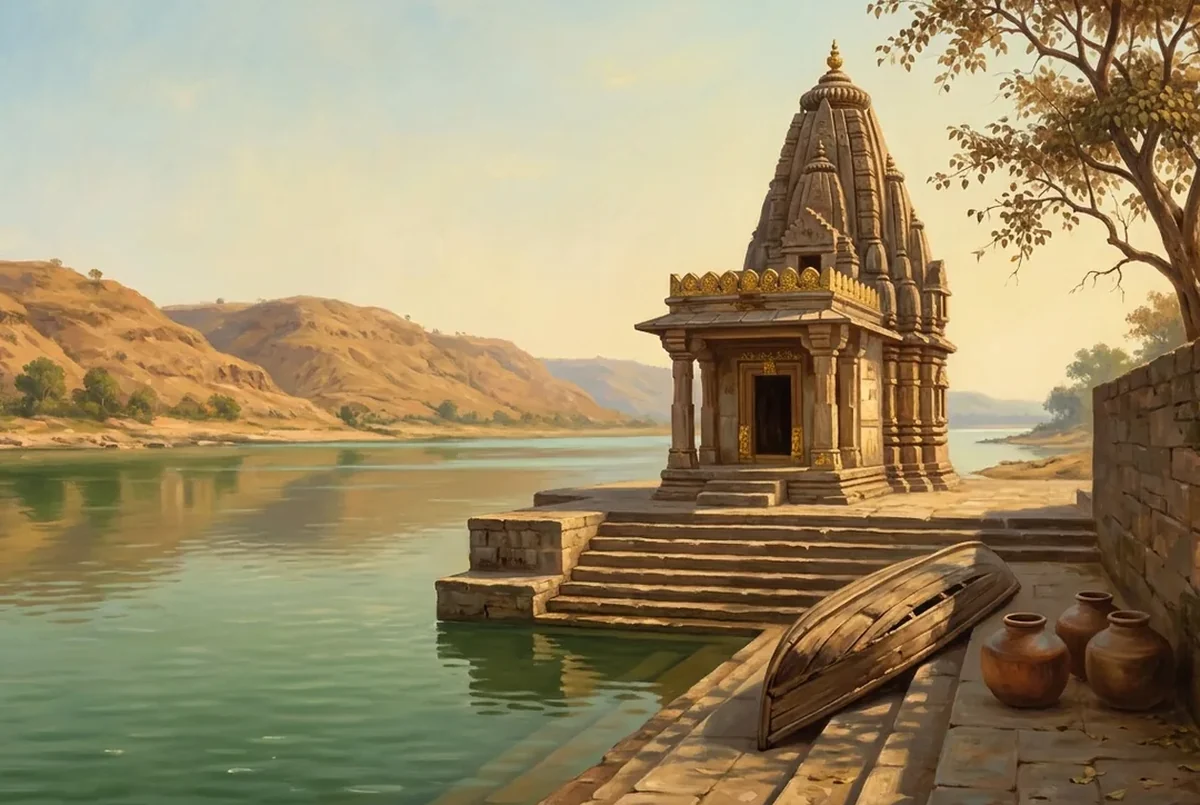
The story goes that long ago a king named Mandhata ruled on the banks of the Narmada. He was truthful, generous and attentive to his people. Along with the work of the kingdom his mind was drawn to penance, so from time to time he would go into the forest, sit in solitude and meditate on Lord Vishnu. During those days he held a vow that he would not raise his hand against any living creature.
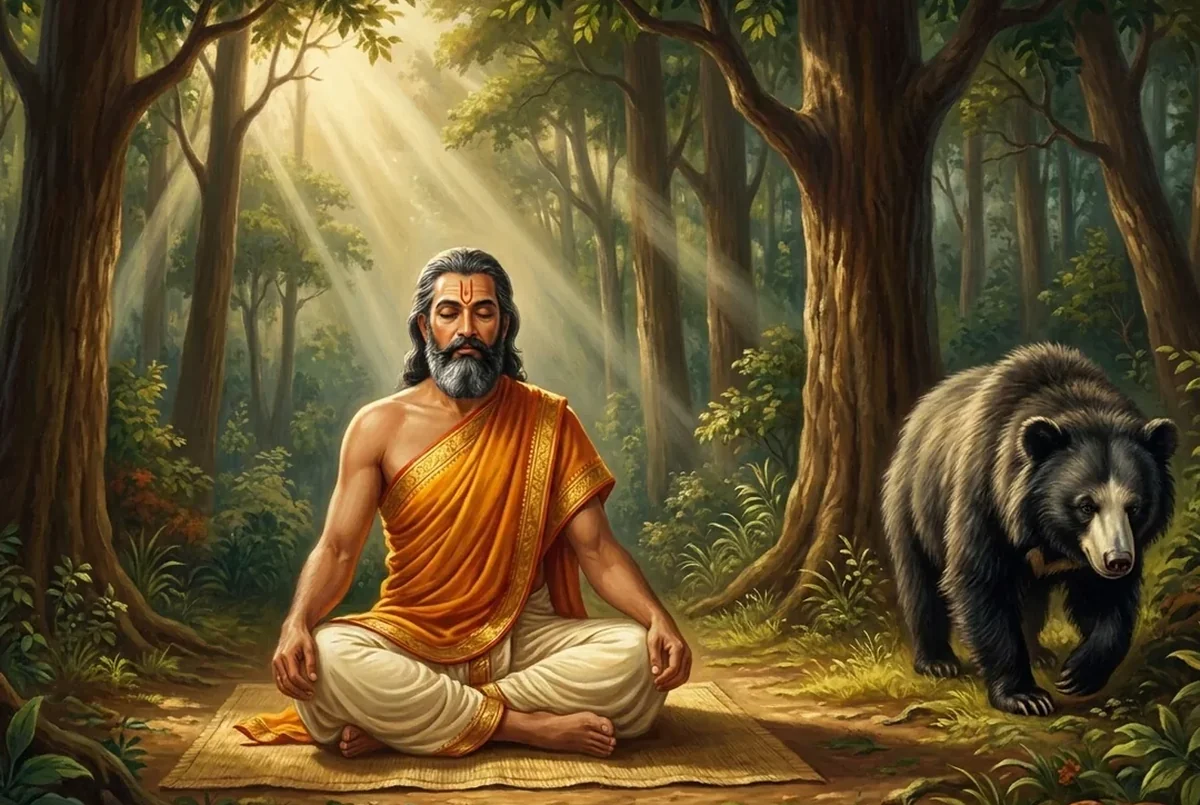
One day, while he sat in meditation in the forest, a wild bear came upon him. It seized the king's foot and began to drag him away. The king's eyes opened and the pain was beyond bearing, yet he neither grew angry nor struck at the animal. He closed his eyes and called on Lord Vishnu. Lord, he said, I will not break the vow I have taken; now you must protect me.
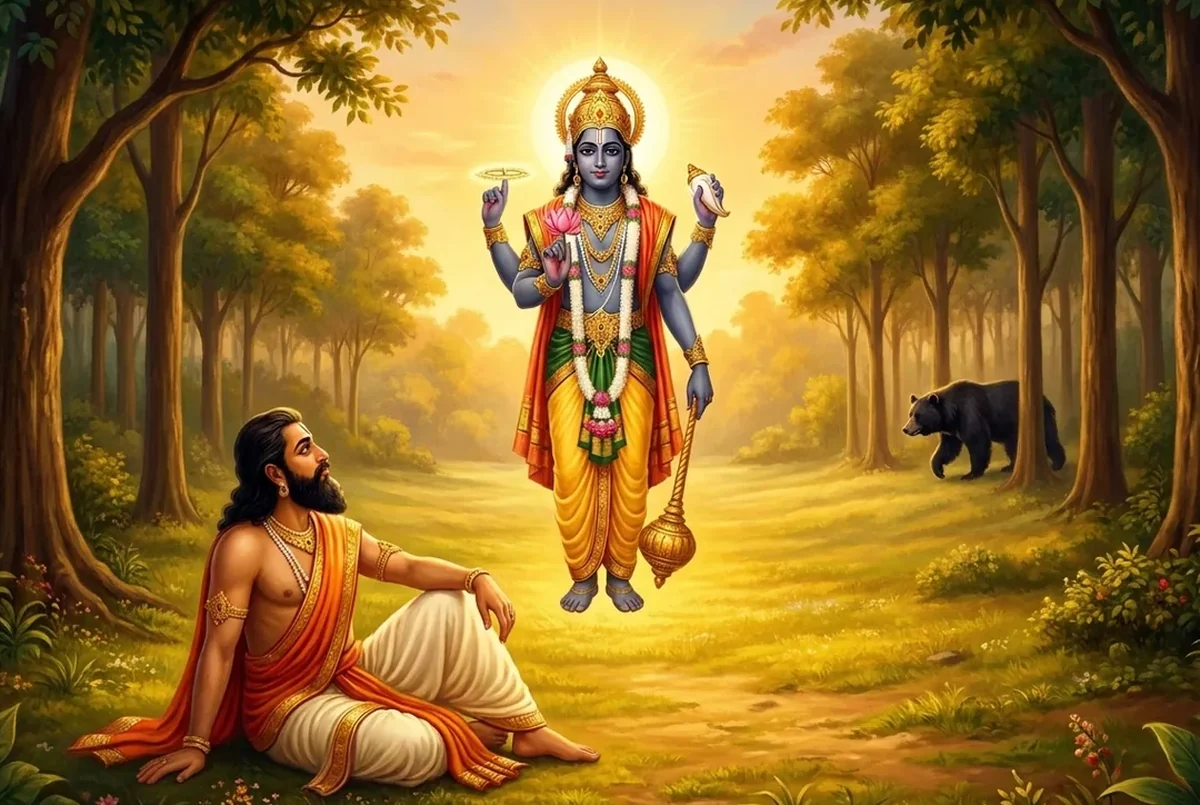
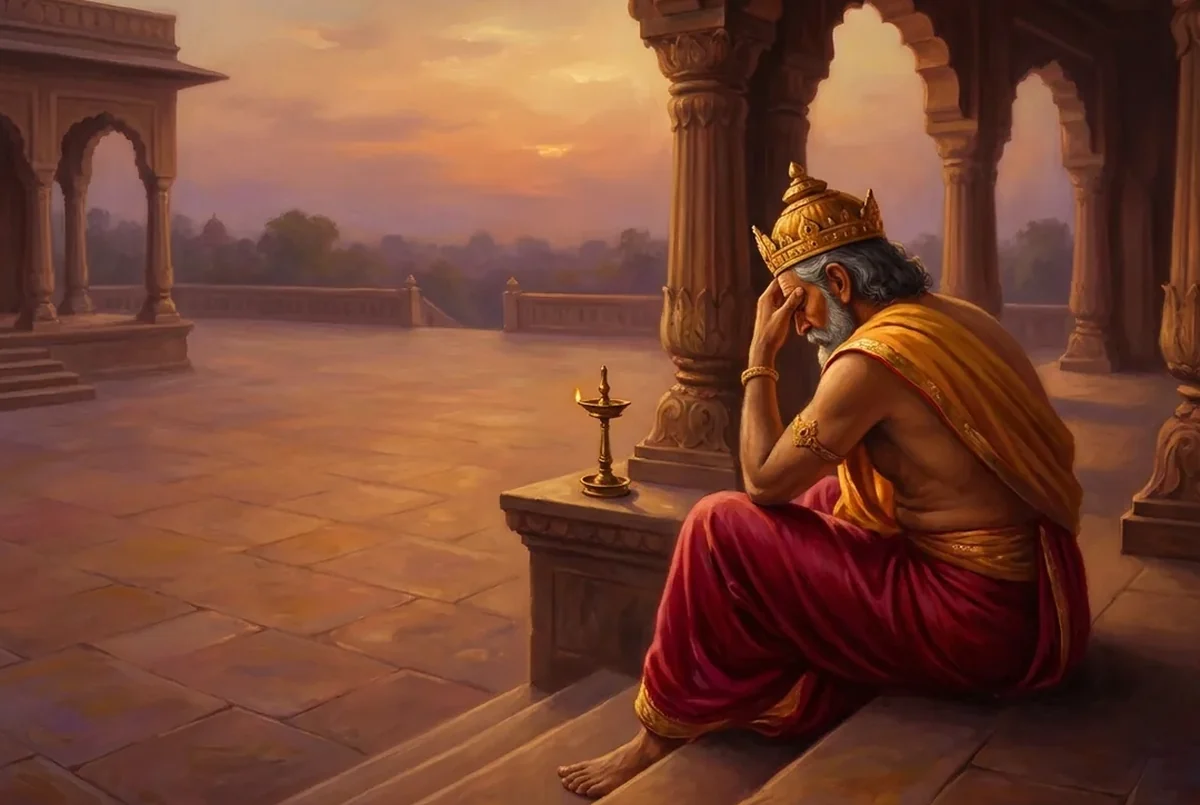
The katha says that in that moment Lord Vishnu appeared and the bear was ended by his chakra. But by then the king had lost one foot. He sat down in sorrow and said, Lord, I have harmed no one, then why has this happened to me? The Lord said, do not set your mind on finding a reason for it; see only this, that even in such pain your vow did not break, and it was that vow which stood as your armour.
Then the Lord showed him the way. Go to Mathura, he said, worship me there in my Varaha form, and keep the fast of Varuthini Ekadashi in the dark fortnight of Vaishakh with faith. The king did exactly that. He kept the fast, stayed awake through the night, gave in charity and took the Lord's name with his whole heart. The katha says that by the strength of this vrat the weight on his mind was lifted, and that he ruled for many years afterwards with the same faith and the same dharma as before.
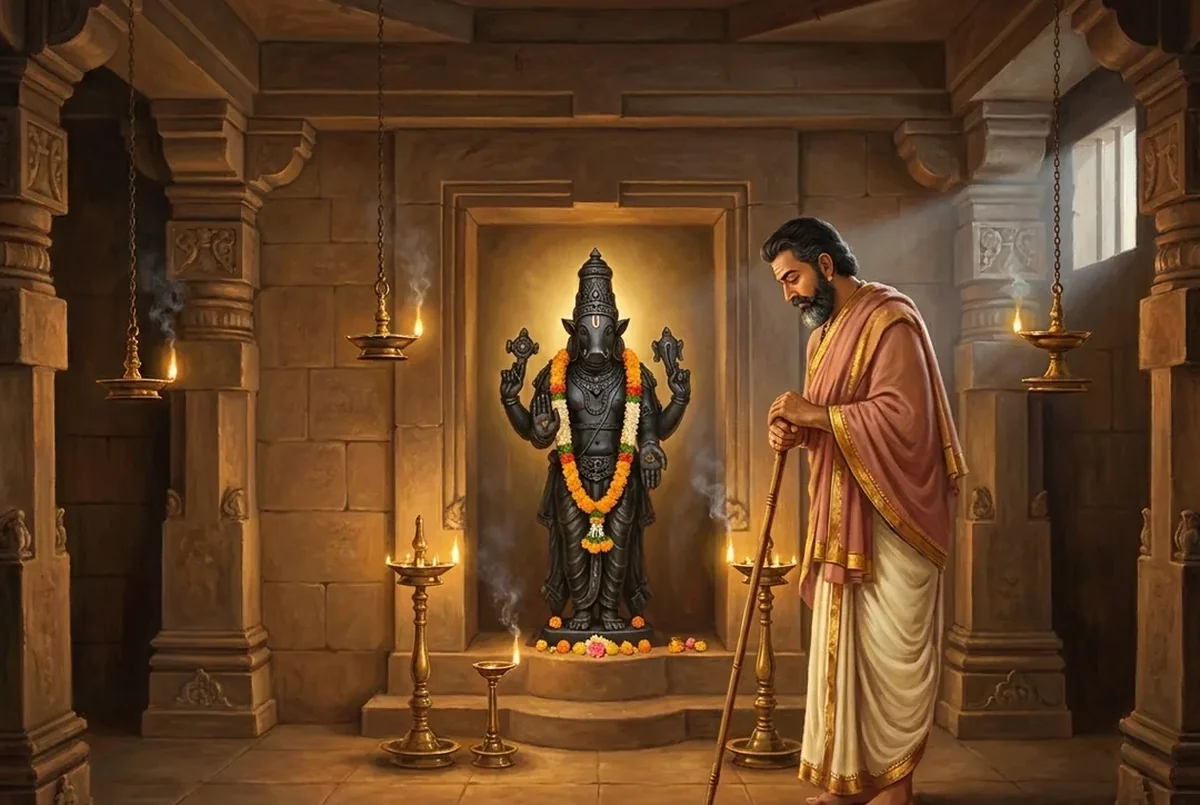
In the same passage the vrat texts also recall another king, Dhundhumara of the Ikshvaku line, who was weighed down by a curse. The katha says that by the grace of Lord Shiva and the merit of this vrat his burden was lifted. From these two accounts this Ekadashi came to be seen as a day of protection and of burdens being set down.
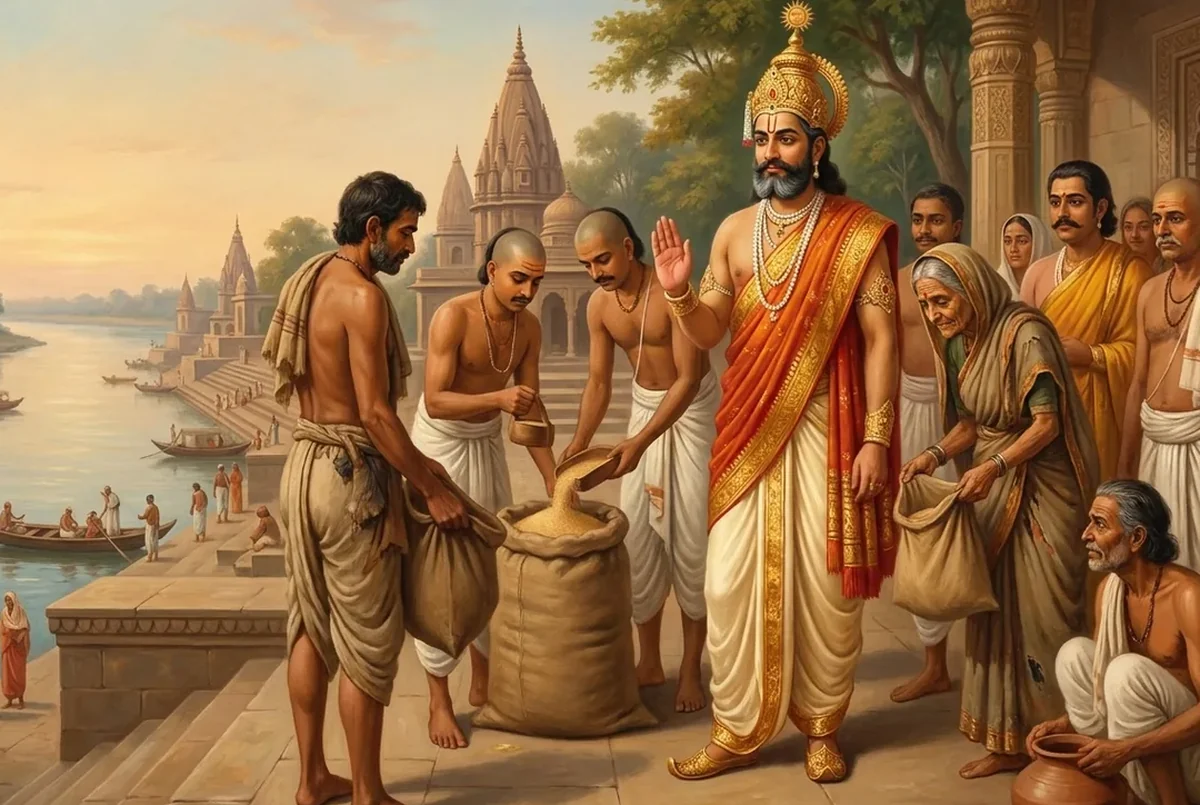
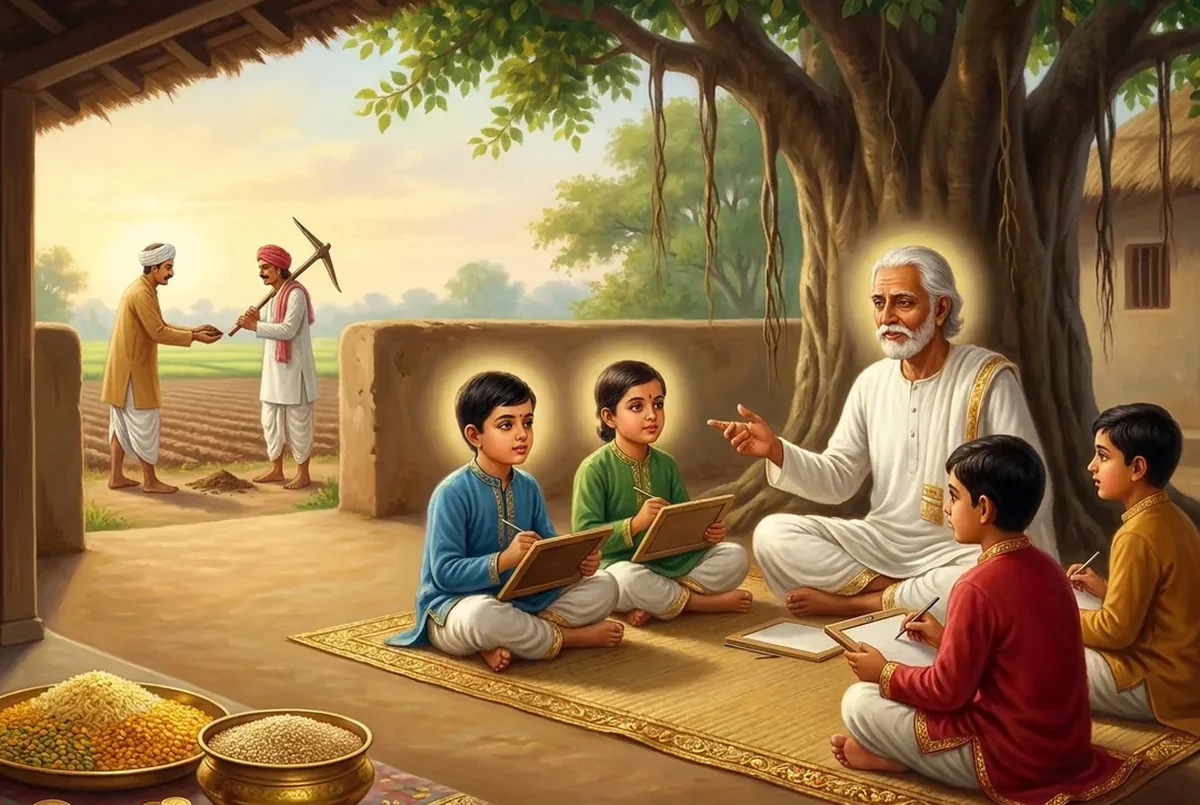
The katha also describes a ladder of giving. The gift of food is great, the gift of sesame and gold greater, the gift of land greater still, but the greatest of all is said to be the gift of learning, because the one who teaches another to read and understand has given them a support for life. For this reason helping with someone's education is held to be especially meritorious on this Ekadashi.
Falling in the heat of Vaishakh, this fast also teaches restraint. Tradition holds that staying away from anger, harsh speech and harm to anyone on this day is half the fruit of the vrat. The katha promises no miracle; it says only that the one who holds to his own vow finds that his mind itself becomes his armour. May Lord Vishnu protect everyone.
How it is observed
- The special giving of this day is of books: helping with someone's schooling, or giving notebooks and books; food, water, umbrellas and clothes are given with them.
- Worship Lord Vishnu and his Varaha form with yellow flowers, sandalwood, tulsi leaves and fruit, listen to the katha and chant Om Namo Bhagavate Vasudevaya.
- This vrat prescribes not eating from bell metal vessels and not eating at another's house; anger, untruth and gossip are also avoided through the day.
- Eat one sattvik meal on the evening of Dashami; rice, masoor, urad, chana, honey and spinach are traditionally given up for this vrat. On Ekadashi give up grains and keep the fast on fruit or on milk and fruit as you are able; these are hot days, so look after your health. Anyone who is unwell, elderly, pregnant or on medication should keep it only as their health allows.
- On Dwadashi morning, after bath, puja and charity, break the fast. The parana time differs by place and by date, so check your local panchang.
Frequently asked questions
When is Varuthini Ekadashi 2027?
Varuthini Ekadashi 2027 is on 2 May 2027, Sunday. Dates follow the Hindu panchang for Delhi; other cities can differ by a day.
Why is Varuthini Ekadashi celebrated?
The Ekadashi of the dark fortnight of Vaishakh is called Varuthini Ekadashi.
Source
This katha of Varuthini Ekadashi is linked to the Bhavishya Purana, where it is given as a dialogue between Krishna and Yudhishthira; the account of King Dhundhumara and the ladder of giving belong to the same mahatmya. It is retold here in brief, and the details vary a little between versions.
Times by city — 2 May 2027
| City | Date | Parana time |
|---|---|---|
| Delhi | 2 May | 5:39 AM – 8:19 AM3 May, Monday |
| Indore | 2 May | 5:53 AM – 8:29 AM3 May, Monday |
| Mumbai | 2 May | 6:09 AM – 8:44 AM3 May, Monday |
| Lucknow | 2 May | 5:27 AM – 8:05 AM3 May, Monday |
| Patna | 2 May | 5:12 AM – 7:50 AM3 May, Monday |
| Jaipur | 2 May | 5:47 AM – 8:26 AM3 May, Monday |
| Bhopal | 2 May | 5:46 AM – 8:22 AM3 May, Monday |
| Pune | 2 May | 6:06 AM – 8:40 AM3 May, Monday |
| Ahmedabad | 2 May | 6:06 AM – 8:42 AM3 May, Monday |
| Kolkata | 2 May | 5:03 AM – 7:39 AM3 May, Monday |
| Hyderabad | 2 May | 5:49 AM – 8:23 AM3 May, Monday |
| Varanasi | 2 May | 5:21 AM – 7:59 AM3 May, Monday |
| Chennai | 2 May | 5:47 AM – 8:19 AM3 May, Monday |
| Bengaluru | 2 May | 5:58 AM – 8:30 AM3 May, Monday |
| Thiruvananthapuram | 2 May | 6:06 AM – 8:35 AM3 May, Monday |
| Bhubaneswar | 2 May | 5:16 AM – 7:51 AM3 May, Monday |