
Parama Ekadashi Vrat Katha
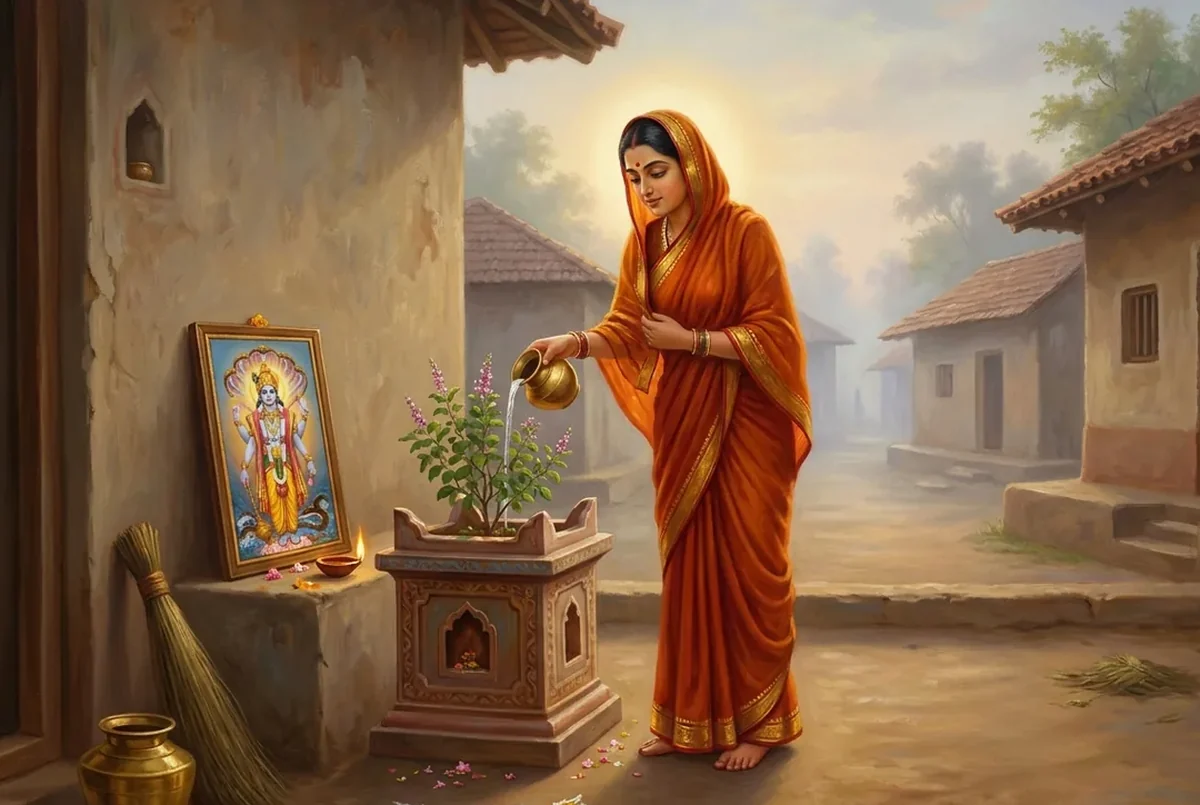
Why is this day celebrated?
Parama Ekadashi is the Ekadashi of the dark fortnight of Adhik Maas, the extra month. The lunar year is about eleven days shorter than the solar year, and when that gap adds up to a whole month an extra month is inserted into the calendar, so this day comes only about once every three years. Tradition calls this month Purushottam Maas, and the katha of this day is about a poor Brahmin couple who had nothing to give but service and patience.
The katha
The story goes that Krishna narrated this. Long ago, in the city of Kampilya, there lived a Brahmin named Sumedha. He was learned, he was truthful, and he wished harm on no one. His wife Pavitra was of the same nature. But the two of them were very poor. Sumedha went out all day for alms and often came home empty-handed.
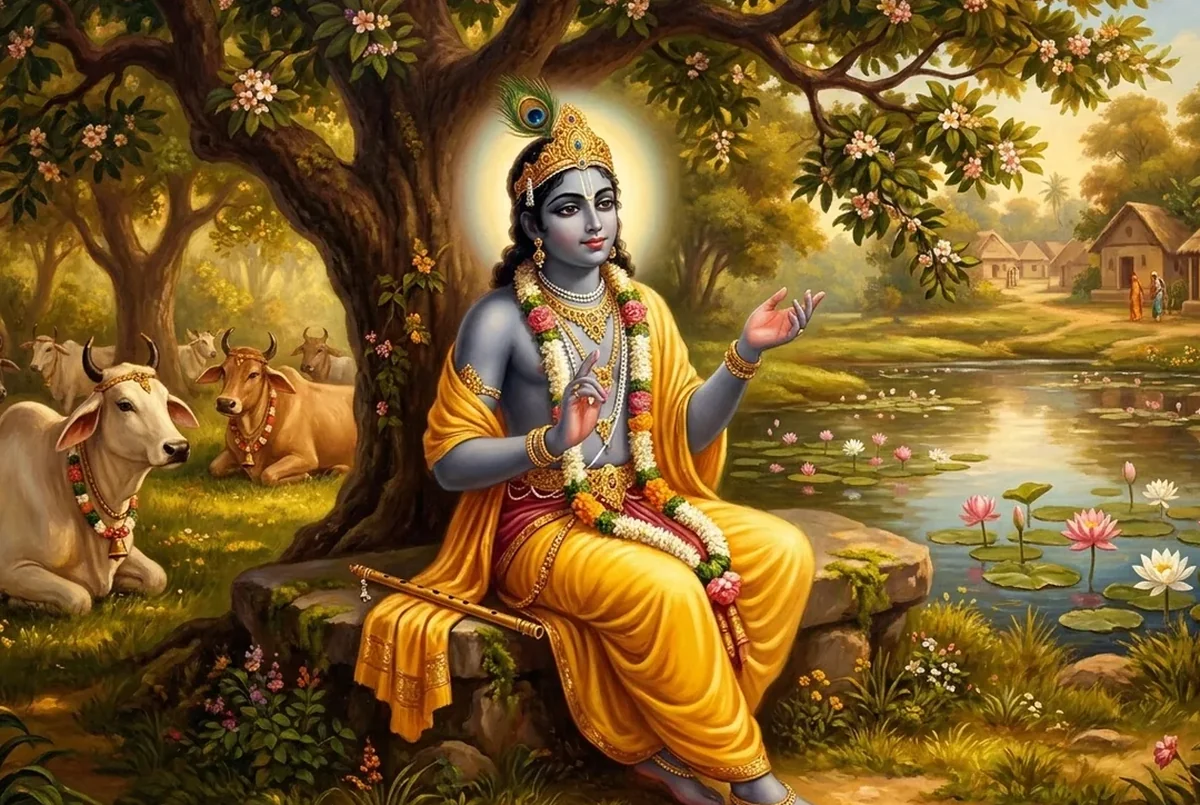
The remarkable thing about that house was that even in such poverty no one went away from the door with nothing. Whatever little came in, Pavitra would set before a guest and then go to sleep hungry herself. She never asked her husband for anything, not an ornament, not a cloth, not even a complaint. One day Sumedha said, let me go to another land and earn something. Pavitra stopped him and said, what is ours will come to us here; leaving home does not increase wealth, only distance.
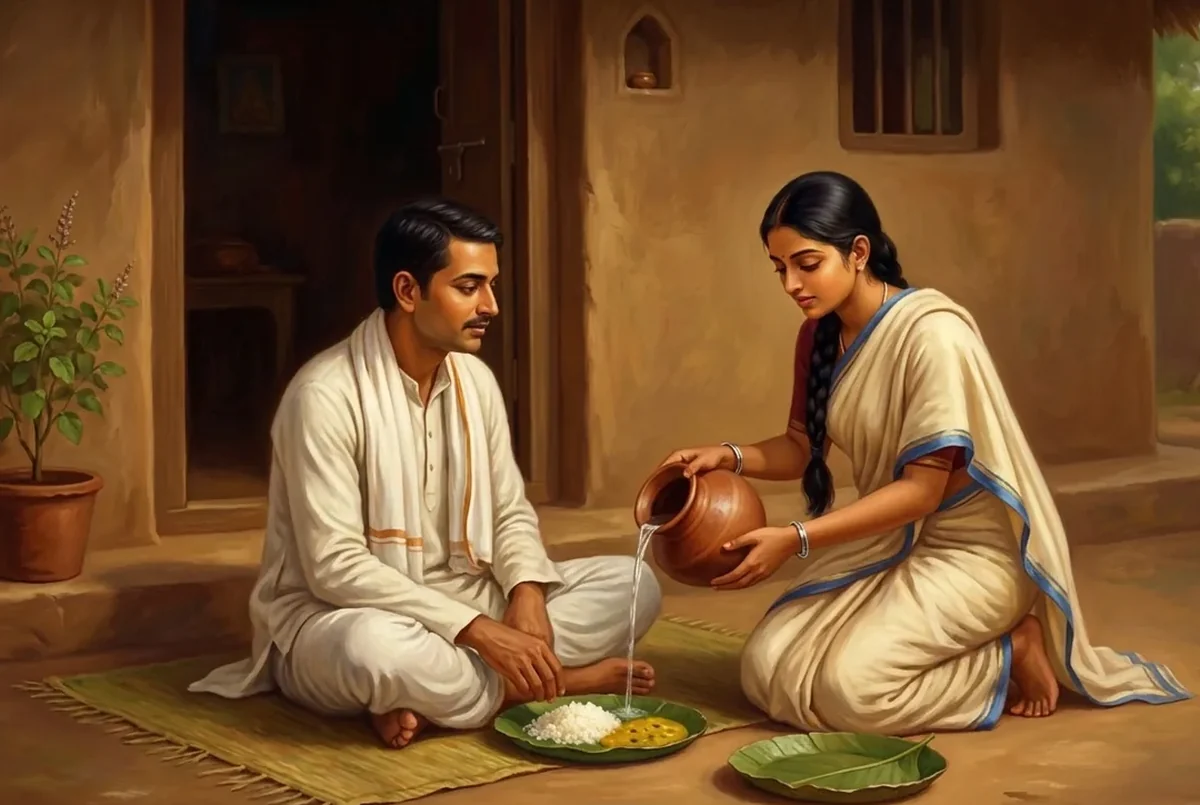
One day the sage Kaundinya passed that way. The two of them bowed to him, honoured him with what little they had, and seated him. The sage saw the swept floor, the cold hearth and the calm faces of the two, and understood that there was want in this house but no bitterness. With folded hands Pavitra asked, great sage, show us some way by which our want may end.
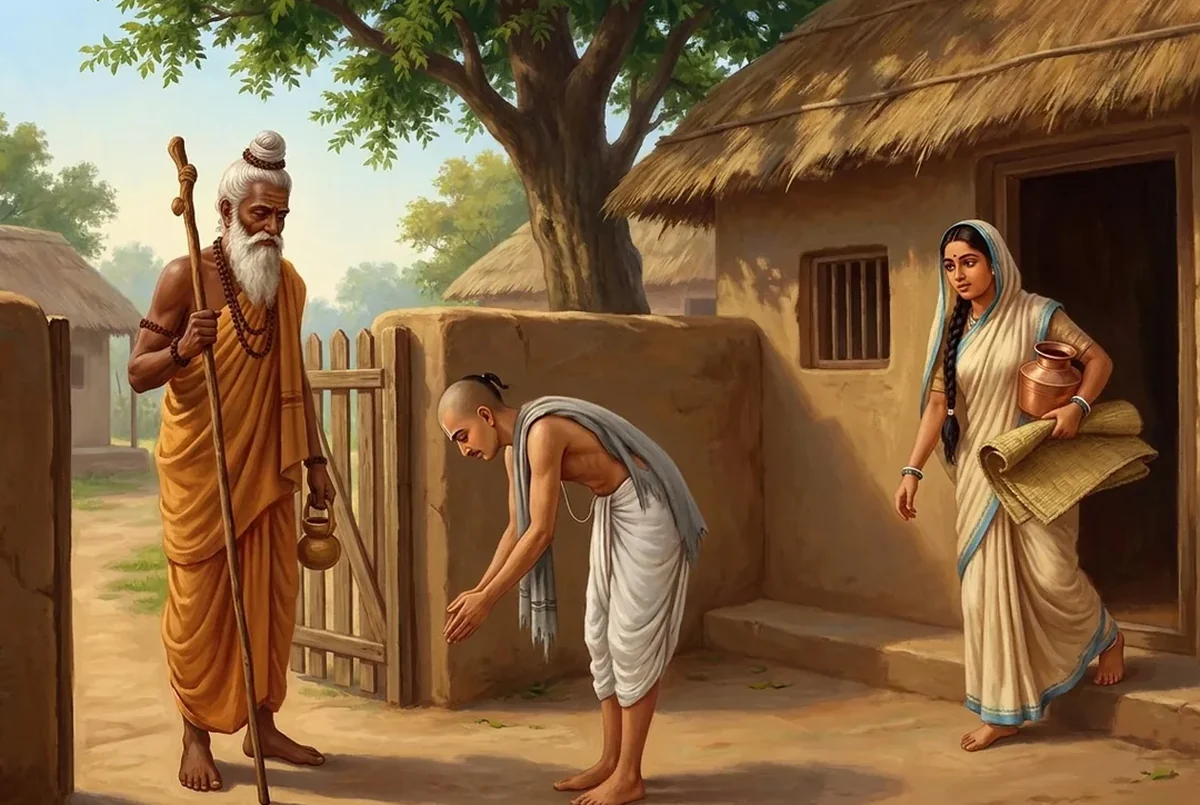
Kaundinya said, the Ekadashi of the dark fortnight of Adhik Maas is called Parama Ekadashi, the supreme Ekadashi. This day comes only once in three years, and its vrat cuts away the want within as well as the want outside. Those who have the strength for it also keep the five-day Pancharatri vrat along with it, which tradition calls greater still.
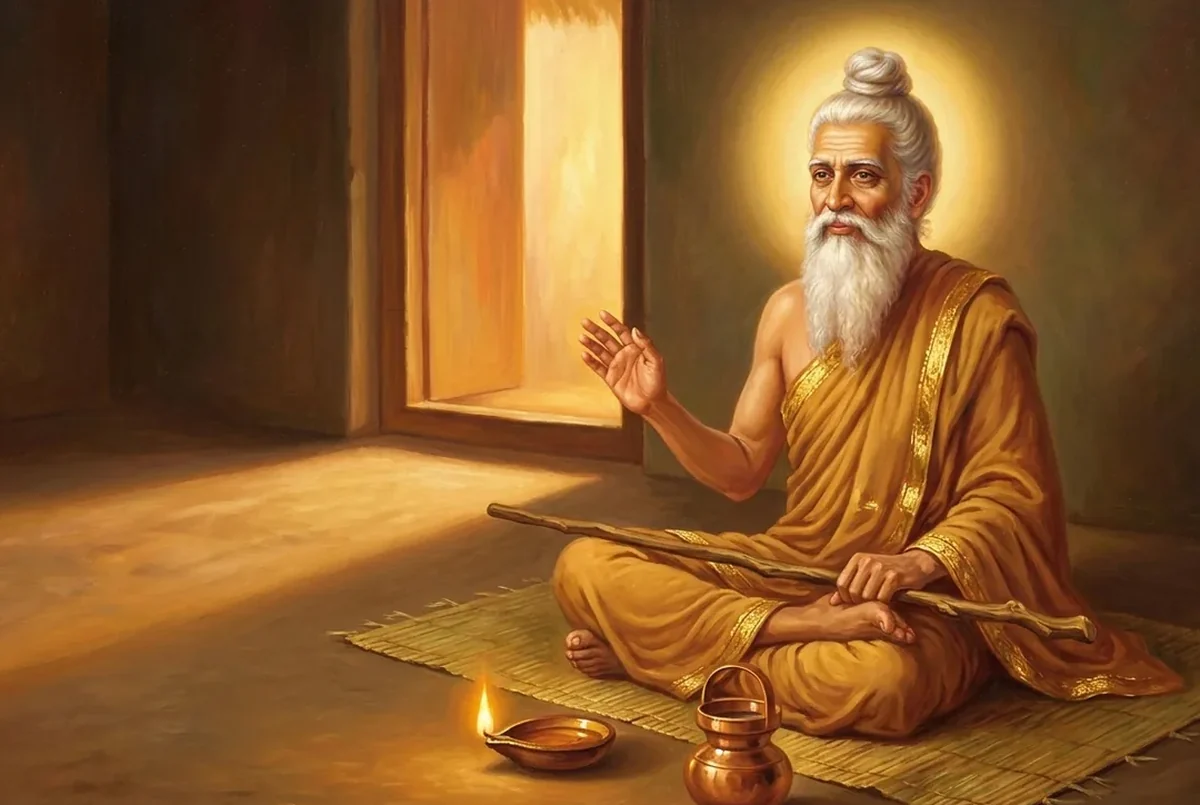
The sage went on: this vrat is not new. Tradition says that by such fasting and devotion Kubera attained his place as the lord of wealth. And King Harishchandra is named in this katha as an example of patience, a man who lost everything and still did not break his word; patience is the first condition of this vrat. Saying this he explained the method, blessed the couple and went his way. Sumedha and Pavitra kept the fast with complete faith, repeated the Lord's name through the night, and on Dwadashi gave away what little they had before breaking the fast.
The katha says that after this a prince came to their house and gave them a good home and the means to live; their want ended, and they spent the rest of their lives in bhajan and service. That is what the katha says, and it is not taken as a promise to anyone. The heart of the story is that poverty is not shame, bitterness is; whoever keeps their generosity alive in the middle of want is already rich in mind. May Lord Vishnu keep contentment in every home.
How it is observed
- This Ekadashi comes only about once in three years, so first confirm Adhik Maas and the tithi from the panchang.
- Some families also keep the five-day Pancharatri vrat along with this fast; that is a matter of strength and family tradition.
- In Purushottam Maas, giving food, offering lamps and serving someone in need are held to be especially important; the night is spent awake in bhajan.
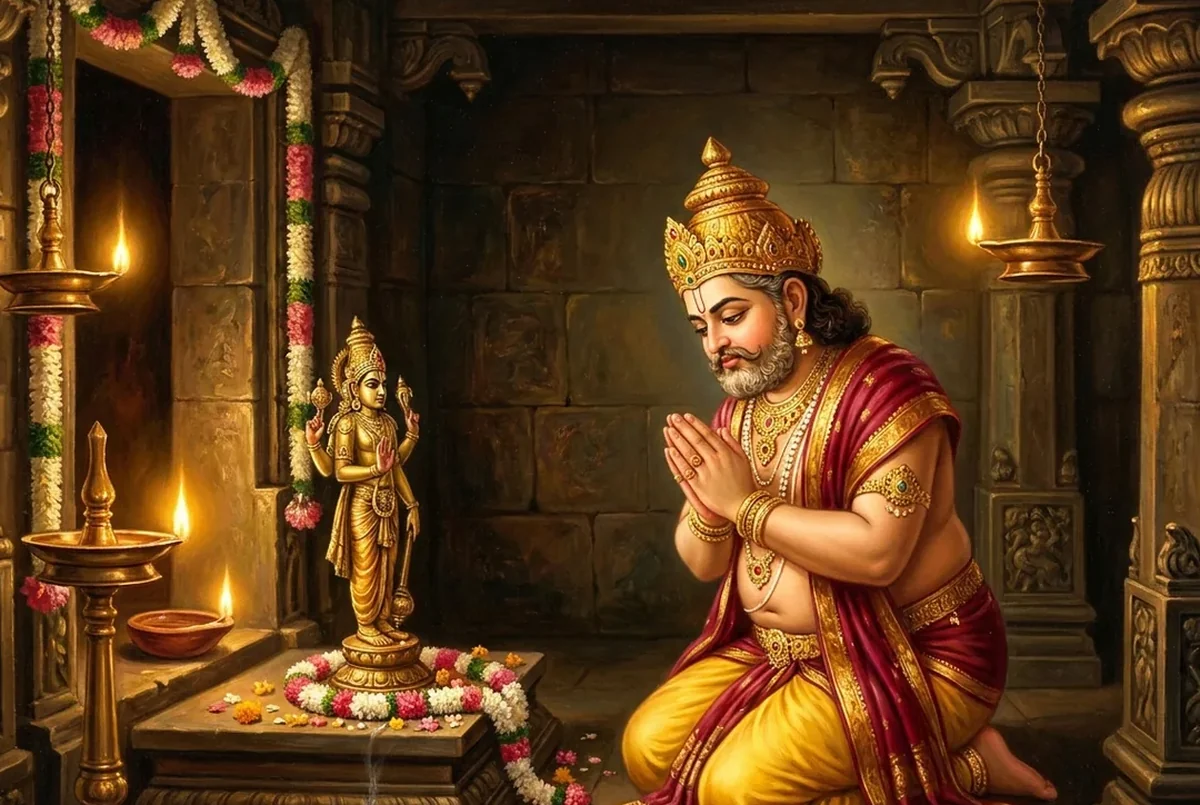
- Offer Lord Vishnu yellow flowers, sandalwood, tulsi leaves and fruit, and chant the Vishnu Sahasranama or Om Namo Bhagavate Vasudevaya.
- Eat sattvik food on the evening of Dashami; on Ekadashi grains, rice and lentils are given up, and the fast is kept with fruit or without water, as one is able. Anyone who is unwell, elderly, pregnant or on medication should keep it only as their health allows.
- Break the fast on Dwadashi morning after bath, puja and charity; the parana time differs from city to city and with each year's tithi, so check your local panchang.
Source
The Parama Ekadashi vrat katha appears in popular vrat collections as told by Lord Krishna, naming the Brahmin Sumedha of Kampilya, his wife Pavitra and the sage Kaundinya; it is summarised here in our own words. The example of Kubera and the mention of King Harishchandra's patience also come from the same katha tradition.