Padmini Ekadashi Vrat Katha
Why is this day celebrated?
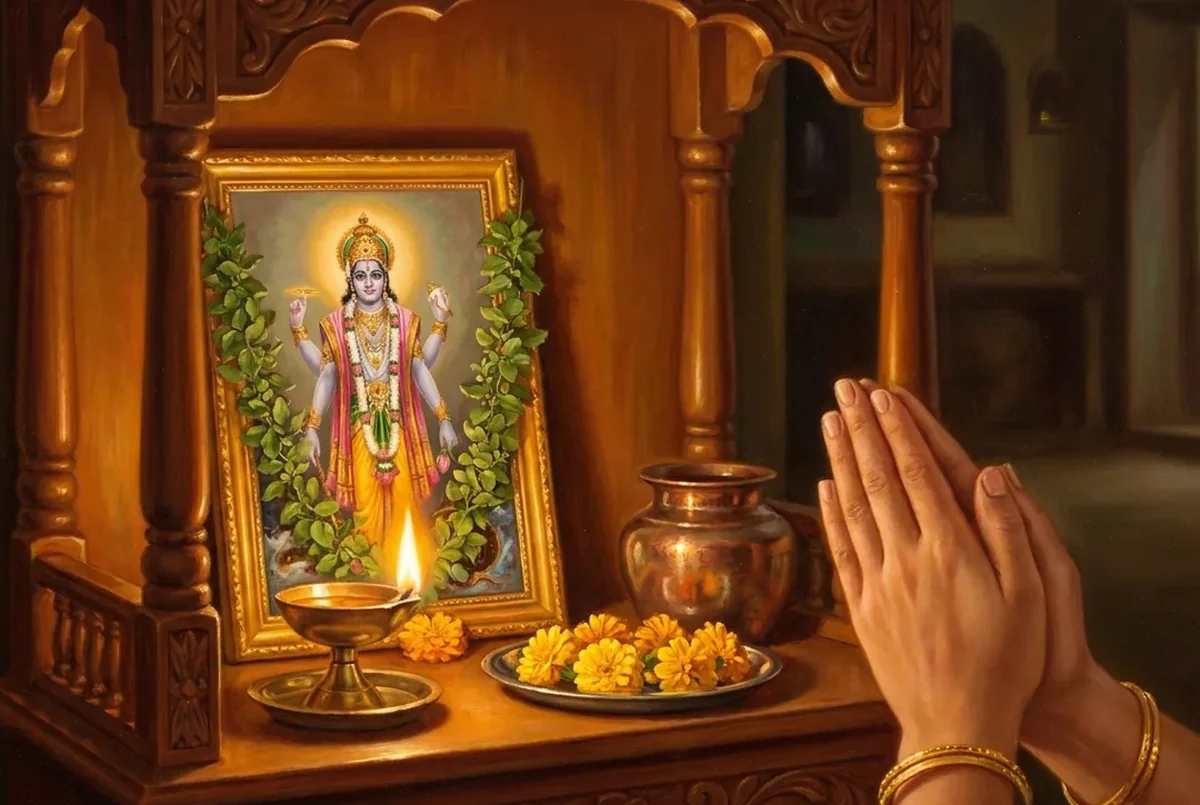
Padmini Ekadashi is the Ekadashi of the bright fortnight of Adhik Maas, the extra month. The lunar year falls about eleven days short of the solar year, and when that gap adds up to a whole month, an extra month is inserted into the calendar; this is why Adhik Maas comes only about once every three years. Tradition says Lord Vishnu gave this month his own name, so it is called Purushottam Maas, and its two ekadashis also come only once in three years.
The katha
It is said that when this extra month was added to the calendar, the other months refused to accept it as one of their own, because no festival fell in it and it had no lord of its own. Tradition says the month went sorrowing to Lord Vishnu and said, nobody will take me. The Lord took it as his own and said, from now you will be known by my name, Purushottam Maas. From that day this month has been kept as a month of fasting, charity and bhajan.
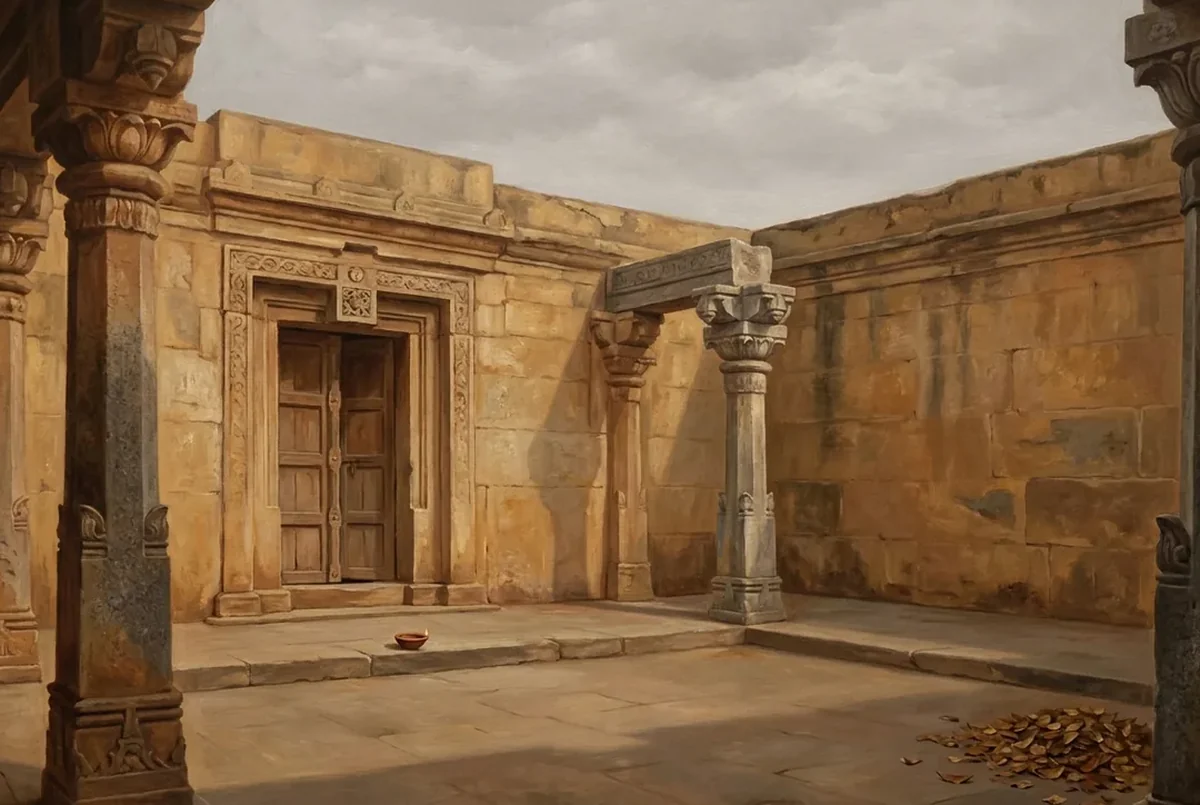
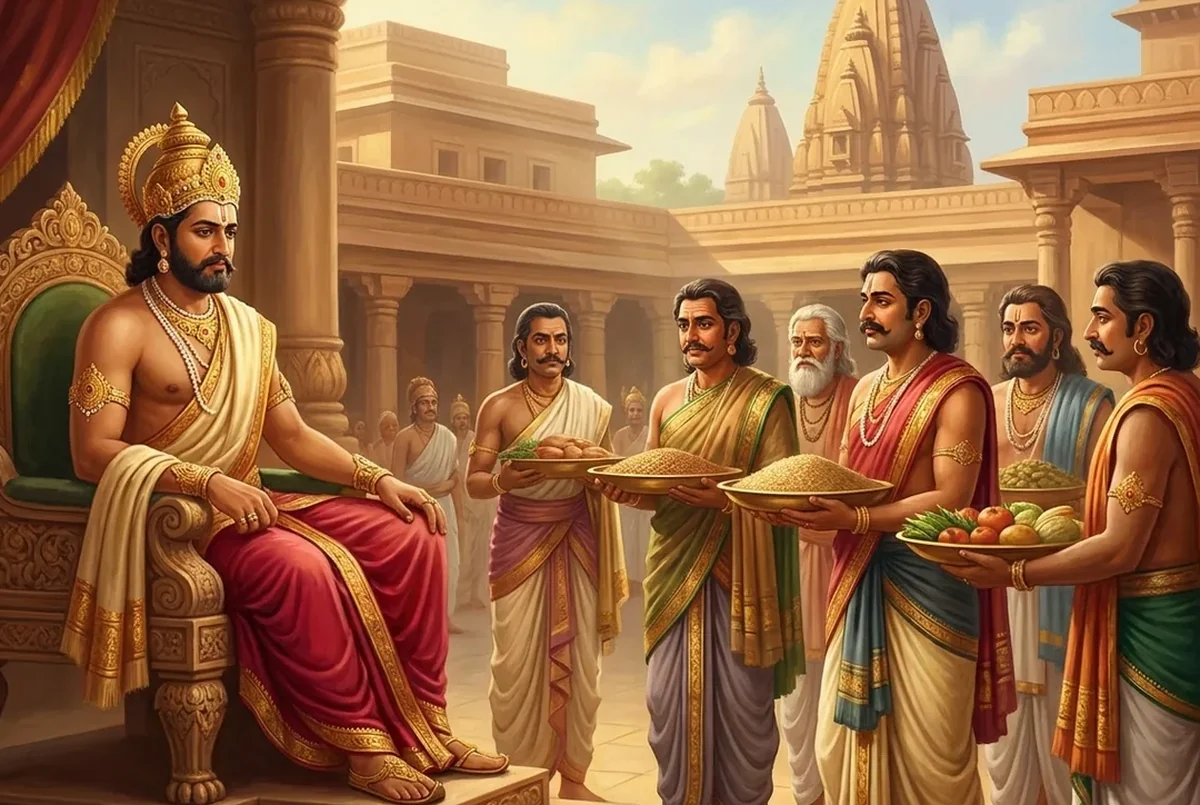
The story of the bright-half Ekadashi of this month is told as spoken by Narada. In the Treta Yuga, a righteous king named Kritavirya ruled the city of Mahishmati. His treasury was full, his people were content, and he had many queens. But there was one lack that had pricked his heart for years. He had no child, and no one to whom he could hand the kingdom.
Many remedies were tried and many yagnas performed, but nothing came of it. At last the king left his throne and went to Mount Gandhamadana to perform austerities. Among his queens was Padmini, born in the Ikshvaku line. When she saw her husband leaving for the forest, she took off her ornaments, put on one plain cloth and walked after him. She shared those years of hard penance with him.

One day Padmini met Anasuya, the daughter of the sage Kardama and the wife of the sage Atri, known for her self-restraint. With folded hands Padmini told her sorrow, and asked her for a vrat that would reach the Lord. Anasuya answered gladly: there are twelve months in a year, but about every third year an extra month is added. The two ekadashis of that month are called Padmini and Parama, and they are very rare.
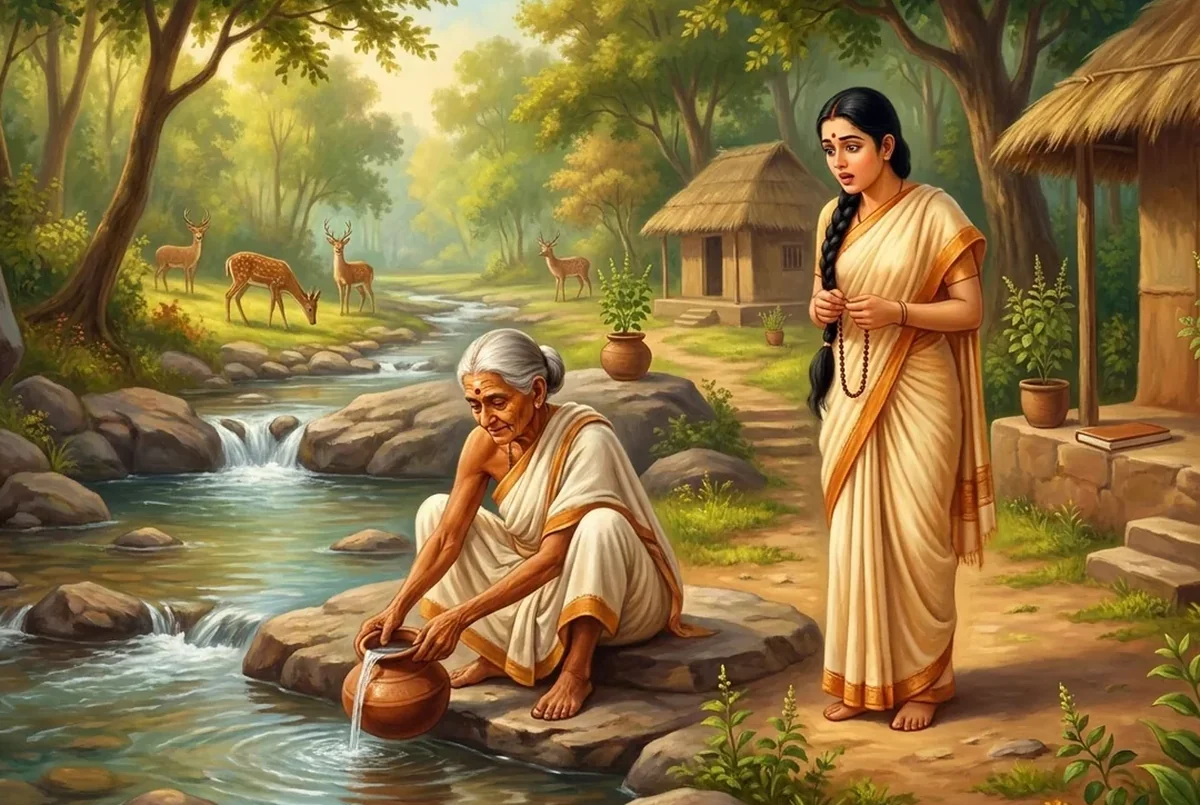
Anasuya explained the method as well: on that Ekadashi of the bright half, fast with your whole heart, worship the Lord, stay awake through the night in bhajan, and break the fast on Dwadashi after giving in charity. Padmini kept this vrat with complete faith. It is said that through that night she took neither food nor water and kept repeating the Lord's name.
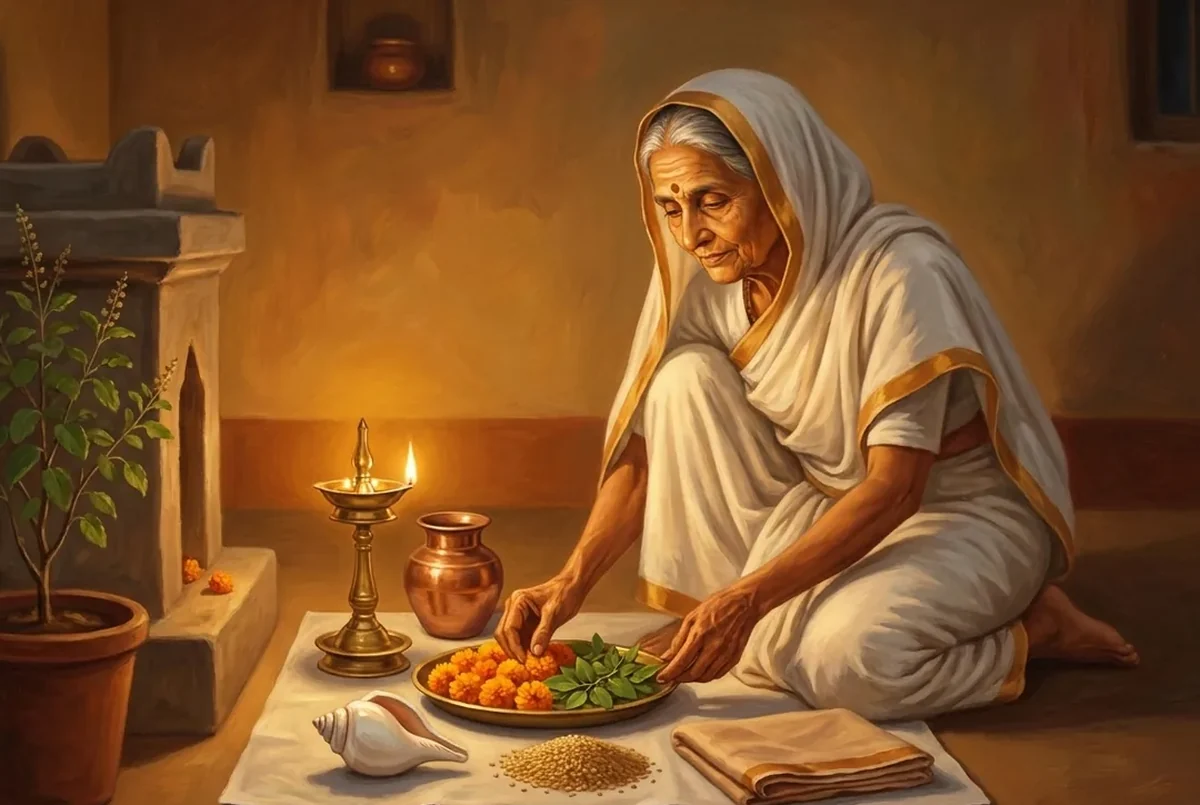
The katha says that the Lord, pleased by her devotion, appeared and reassured her; in time a radiant son was born in that house, who grew up to be the famous and mighty king Kartavirya Arjuna. That is what the katha says, and it is not taken as a promise to anyone. The heart of the story is that the one whom the world sets aside is still taken up by the Lord; that is true of this month and of this vrat. May Lord Vishnu keep patience in everyone's heart.
How it is observed
- This Ekadashi of Adhik Maas comes round only about once in three years, so first confirm the month and the tithi from the panchang.
- The practice of Purushottam Maas is what is kept on this day: offering lamps, giving food, and service to someone; give something according to your means.
- Offer Lord Vishnu yellow clothes, yellow flowers, sandalwood, tulsi leaves and fruit, and recite the Vishnu Sahasranama; in the katha this vrat was kept awake through the night, so a night vigil is the custom on this day.
- Eat sattvik food on the evening of Dashami; on Ekadashi grains, rice and lentils are given up, and the fast is kept with fruit or without water, as one is able. Anyone who is unwell, elderly, pregnant or on medication should keep it only as their health allows.
- Break the fast on Dwadashi morning after bath, puja and charity; the parana time differs from city to city and with each year's tithi, so check your local panchang.
Source
The Padmini Ekadashi vrat katha appears in popular vrat collections as told by Narada, naming King Kritavirya, Queen Padmini and Anasuya; it is summarised here in our own words. The account of Lord Vishnu giving his name to Adhik Maas belongs to puranic and folk tradition.